Ethereum Researchers Want to Rein in Staking, Critics Say It Could Backfire
A group of Ethereum researchers and developers has proposed changing the network's issuance policy to cut validator rewards more sharply as the proportion of staked ETH rises. The proposal, called the Tapered Issuance Burn, would burn an increasing fraction of validators'…
Intelligence analysis by Llama
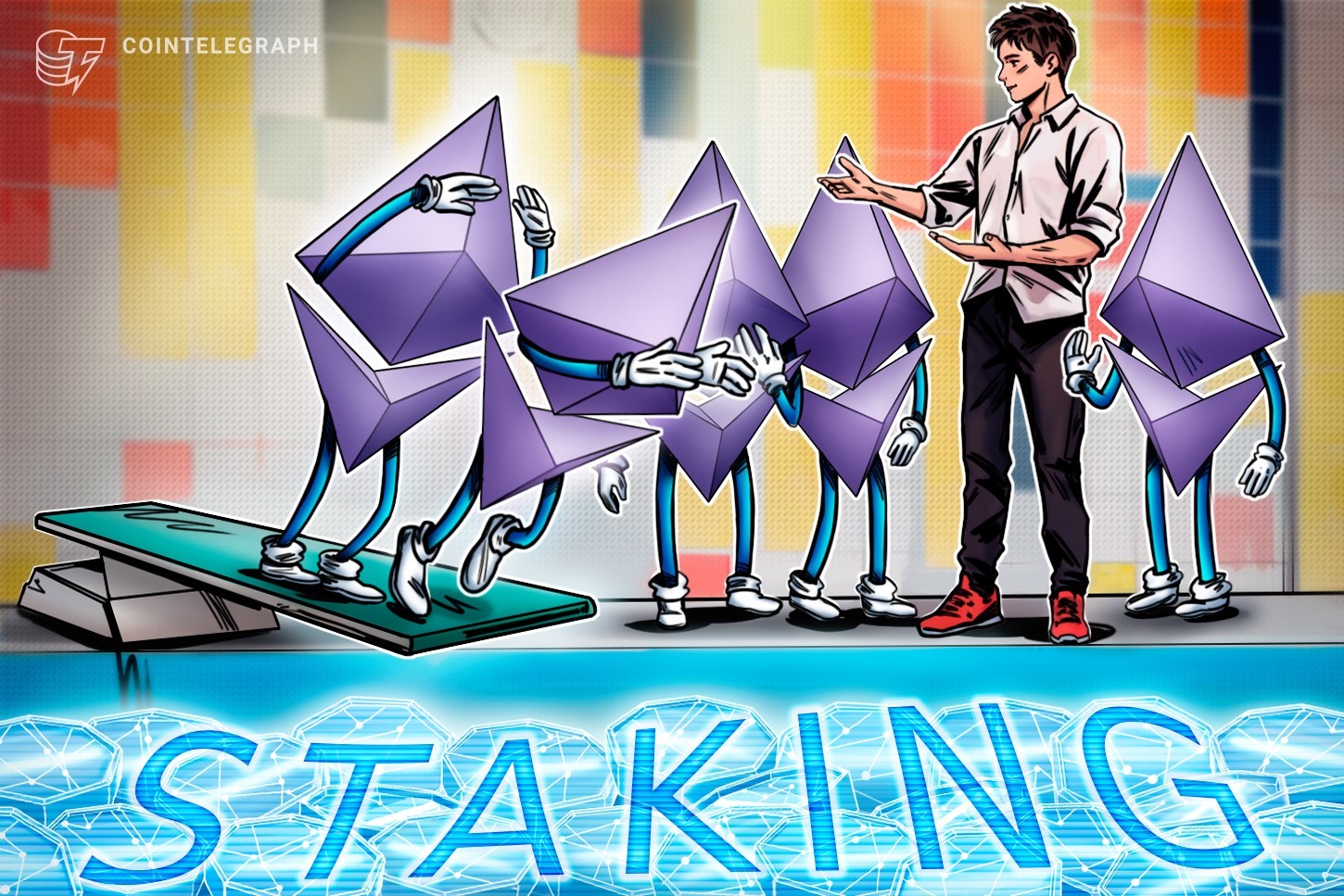
Ethereum researchers have proposed a new issuance policy to cut validator rewards as the proportion of staked ETH rises. The proposal, called the Tapered Issuance Burn, would burn an increasing fraction of validators' consensus rewards as the amount of staked ETH approaches a fixed threshold of 60.25 million ETH. Critics argue that the reward cuts could force out solo validators befor…
Imagine you have a big jar of cookies, and you want to make sure everyone gets a fair share. But if too many people are taking cookies from the jar, it might run out. That's kind of what's happening with Ethereum, where people are 'staking' their cookies (or Ether) to help the network work. Some people think that if we take away too many cookies from the stakers, it might make it harder for them to keep participating. It's like taking away the cookies that make it worth their while to help the network.
Analysis
A Proposal to Rein in Staking Rewards
The Tapered Issuance Burn proposal, currently being assigned the provisional number EIP-8363, aims to address the rising share of Ether being staked by cutting validator rewards more sharply as the proportion of staked ETH rises. The proposal's authors argue that continued staking growth could concentrate ETH in large custodians and liquid staking providers, while unchecked issuance erodes Ether's role as a neutral, trustless store of value.
The proposed policy would see issuance peak at 0.5% of ETH supply per year at its highest (around 20% of ETH is staked), declining to zero when the staking ratio of Ethereum hits the 60.25 million ETH threshold. This would phase in over 18 months, with the changes taking effect once the staking ratio reaches the threshold.
The proposal's authors argue that the incentive to stake never switches off under the current curve, and that a worst-case scenario could see more than 55% of Ethereum supply locked in staking by 2028. They argue that the proposed policy would set a bar no other blockchain clears, and that it would harden both maximal neutrality and minimal dilution.
Critics Say It's Punishing Ethereum's Growth
Aave founder Stani Kulechov has argued that reducing staking rewards would weaken institutional demand for ETH and borrowing activity across DeFi, and that the proposal 'doesn't achieve the outcome it tries to achieve and is actually hurtful for Ethereum.' Another argument is that the proposal would impact solo validators as they have generally higher relative costs and are more susceptible to reward changes, leading to a more concentrated validator set.
The Proposal's Broader Direction
The proposal's broader direction has also received support from Grayscale. In May, Grayscale's head of research Zach Pandl said limiting staking incentives would be 'positive for the price of Ether over time.' However, the proposal's authors have disputed this point, saying that users of large staking providers must pay fees, making those services less attractive as rewards fall.
Where the Proposal Currently Stands
The Tapered Issuance Burn proposal has not been approved, scheduled or included in Hegotá. While there is an Aug. 6 deadline relating to this proposal, the deadline is for pull requests proposing additional EIPs for Hegotá, not a deadline for deciding which proposals will be included. Ethereum community organizer Trent Van Epps said the selection process could continue until Nov. 8, and that Hegotá is likely to reach mainnet in the second quarter of 2027.
Key points
- The Tapered Issuance Burn proposal aims to address the rising share of Ether being staked by cutting validator rewards more sharply as the proportion of staked ETH rises.
- The proposed policy would see issuance peak at 0.5% of ETH supply per year at its highest, declining to zero when the staking ratio of Ethereum hits the 60.25 million ETH threshold.
- Critics argue that the reward cuts could force out solo validators before larger institutions are affected, weaken institutional demand for ETH, and disrupt DeFi markets built around staking yield.
If the Tapered Issuance Burn proposal is implemented, it could lead to a more sustainable and predictable supply of Ether, which could be positive for the price of Ether over time. Additionally, the proposal could help to reduce the concentration of Ether in large custodians and liquid staking providers, making the network more decentralized.
However, the proposal could also lead to a decrease in institutional demand for Ether, which could negatively impact the price of Ether. Additionally, the proposal could disrupt DeFi markets built around staking yield, which could have a negative impact on the overall health of the Ethereum network.