EU-Agrarreform Could Hit East German Agriculture Harder Than Other Regions
A study by the Leibniz-Institute for Agricultural Development in Transition Economies (IAMO) and the University of Rostock warns that the planned EU agricultural reform could hit East German agriculture harder than other regions. The reform aims to reduce direct payments …
Intelligence analysis by Llama
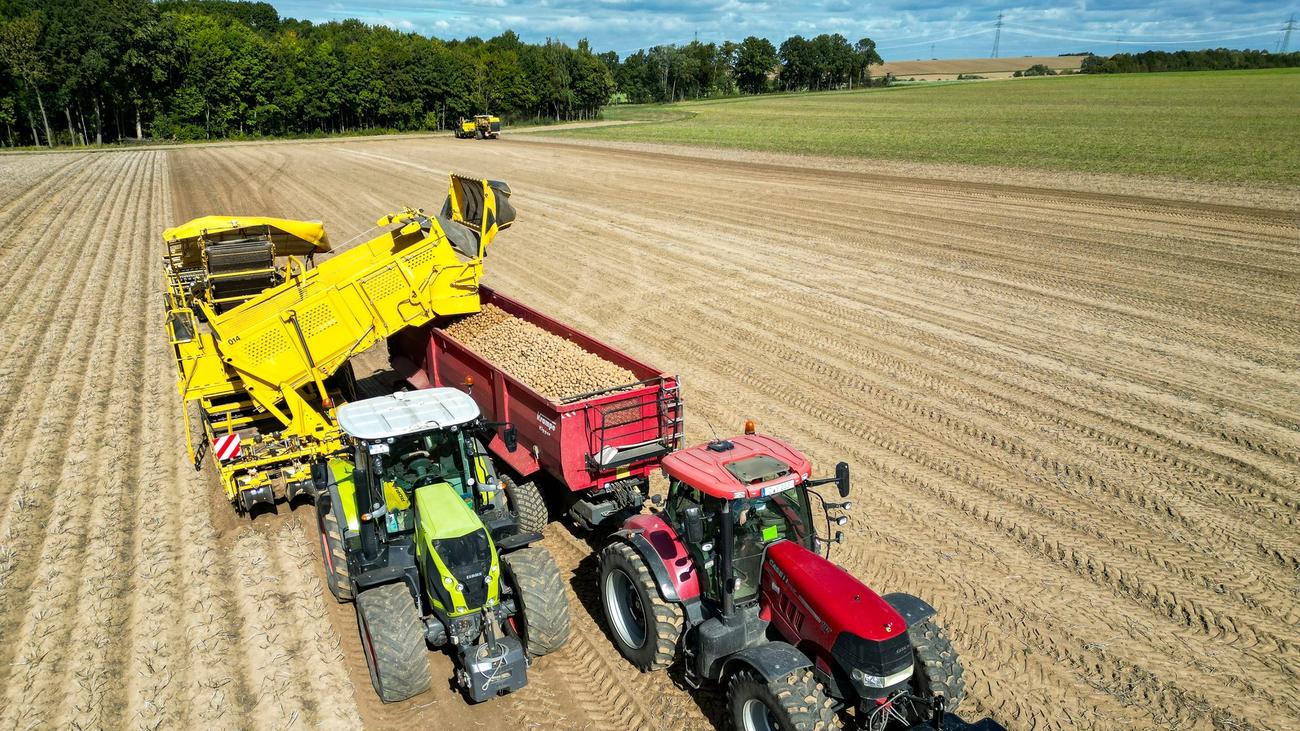
A study by the Leibniz-Institute for Agricultural Development in Transition Economies (IAMO) and the University of Rostock warns that the planned EU agricultural reform could hit East German agriculture harder than other regions. The reform aims to reduce direct payments for larger farms and redistribute them to smaller ones. However, East Germany's large agricultural enterprises coul…
Imagine a big farm in East Germany that gets a lot of money from the government to help it grow crops. Now, the government wants to change the rules so that smaller farms get more money. But the big farm might not be able to afford to keep growing crops, which could lead to job losses and less money for the local community. It's like a big puzzle, and the government needs to figure out how to make the changes work for everyone.
Analysis
A Threat to East German Agriculture
The planned EU agricultural reform could have far-reaching consequences for East German agriculture. The reform aims to reduce direct payments for larger farms and redistribute them to smaller ones. However, East Germany's large agricultural enterprises could be severely affected, leading to job losses, reduced regional income, and decreased environmental protection.
The study's findings are based on an analysis of the current agricultural landscape in East Germany. The region is characterized by large agricultural enterprises, which are often more efficient and productive than smaller farms. However, these larger farms also receive a significant portion of the direct payments, which could be reduced under the reform.
The study's authors warn that the reform could lead to a decline in agricultural productivity, as larger farms are forced to reduce their operations. This could have a ripple effect throughout the region, leading to job losses and reduced regional income. Additionally, the study's authors note that the reform could also have negative consequences for environmental protection, as larger farms are often more likely to participate in environmental programs.
The Need for Flexibility
The study's authors emphasize the need for flexibility in the reform process. They argue that policymakers should consider the potential consequences of the reform on the region's agricultural sector and make adjustments as needed. This could include creating exceptions for larger farms or providing additional funding to support the transition.
A Call for Action
The study's findings highlight the need for policymakers to take action to mitigate the potential consequences of the reform. The authors recommend that policymakers work with stakeholders to develop a more nuanced approach to the reform, one that takes into account the unique challenges and opportunities facing East German agriculture.
Key points
- The planned EU agricultural reform could hit East German agriculture harder than other regions.
- The reform aims to reduce direct payments for larger farms and redistribute them to smaller ones.
- East Germany's large agricultural enterprises could be severely affected, leading to job losses, reduced regional income, and decreased environmental protection.
- The study's authors recommend creating exceptions for larger farms or providing additional funding to support the transition.
- The reform could have negative consequences for environmental protection, as larger farms are often more likely to participate in environmental programs.
If the EU agricultural reform is implemented carefully, it could lead to a more sustainable and equitable agricultural sector in East Germany. By providing support to smaller farms and promoting environmental protection, the reform could help to reduce the region's reliance on large-scale agriculture and promote more diverse and resilient farming practices.
If the EU agricultural reform is not implemented carefully, it could lead to significant job losses and economic hardship for East German farmers. The reform could also have negative consequences for environmental protection, as larger farms are forced to reduce their operations and smaller farms may not have the resources to take on more environmental responsibilities.