Gas Prices Rise Again - Gasoline Over Pre-Tank Rebate Level
Gas prices have risen again, with super gasoline (E10) increasing by 1.1 cents and diesel by 1.6 cents compared to Friday. This is the eighth consecutive rise in prices, with E10 now 13.6 cents more expensive than two weeks ago and diesel 23.1 cents more expensive.
Intelligence analysis by Llama
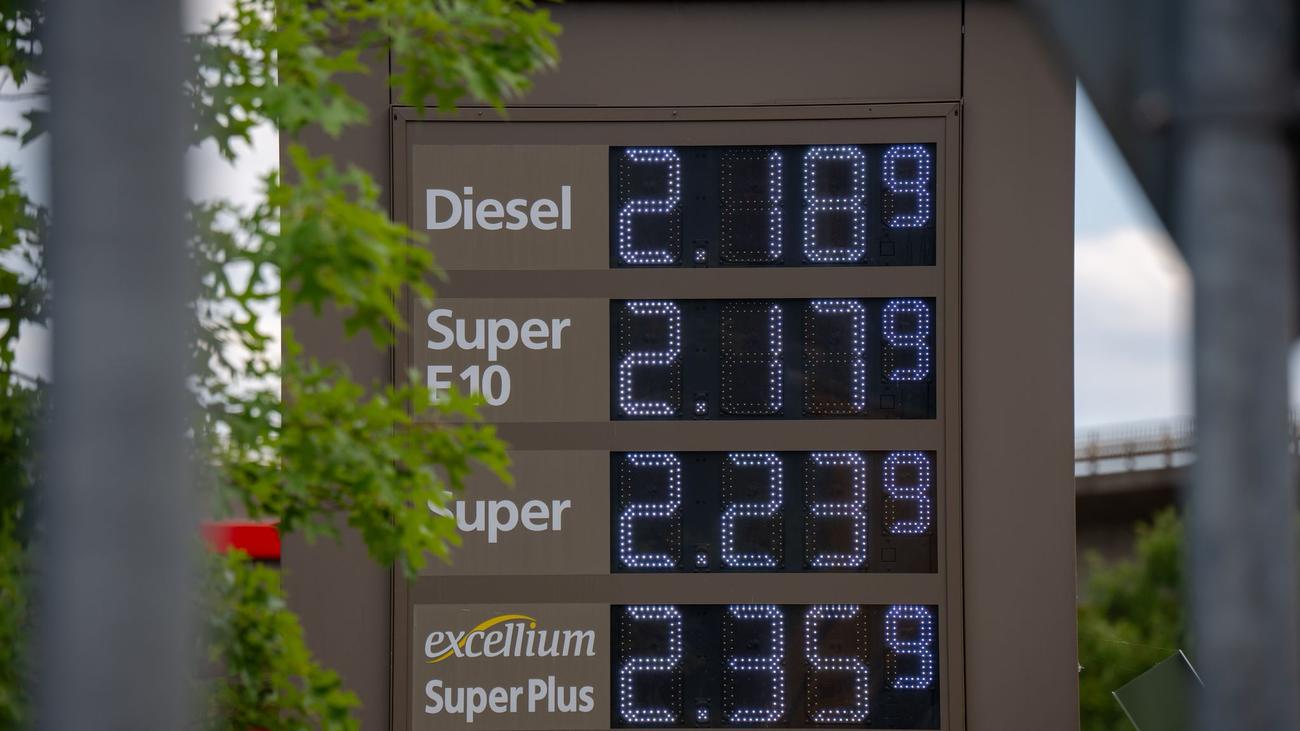
Gas prices have risen again, with E10 increasing by 1.1 cents and diesel by 1.6 cents compared to Friday. This is the eighth consecutive rise in prices, with E10 now 13.6 cents more expensive than two weeks ago and diesel 23.1 cents more expensive.
Imagine you're filling up your car with gas. The price of gas has been going up and up, and now it's even more expensive than it was two weeks ago. This is because the price of oil, which is what gas is made from, has gone up a lot. If this keeps happening, the price of gas might even get to a new record high.
Analysis
A Steep Rise in Gas Prices
The recent rise in gas prices is a cause for concern, with super gasoline (E10) increasing by 1.1 cents and diesel by 1.6 cents compared to Friday. This is the eighth consecutive rise in prices, with E10 now 13.6 cents more expensive than two weeks ago and diesel 23.1 cents more expensive.
The main driver of this rise is the significant increase in oil prices since the beginning of the month. If this trend continues, it is possible that the current price records for E10 could be broken. However, diesel is still far from its record high, which was reached on April 7th when it cost an average of 2.447 euros per liter.
The situation has been somewhat alleviated by a slight decrease in oil prices on Monday morning, which has led to a slight decrease in gas prices. However, the overall trend remains upward, and it is likely that gas prices will continue to rise in the coming days and weeks.
The Impact on Consumers
The rising gas prices are a concern for consumers, who are already feeling the pinch of inflation. The increased cost of gas will likely lead to higher prices for goods and services, and could have a negative impact on consumer spending.
The Economic Implications
The rising gas prices also have implications for the economy as a whole. Higher gas prices can lead to higher inflation, which can have a negative impact on economic growth. Additionally, the increased cost of gas could lead to higher prices for goods and services, which could have a negative impact on consumer spending.
The Road Ahead
The future of gas prices is uncertain, but it is likely that they will continue to rise in the coming days and weeks. The main driver of this rise is the significant increase in oil prices, and it is possible that the current price records for E10 could be broken. However, diesel is still far from its record high, and it is likely that it will take some time for it to reach that level.
Key points
- Gas prices have risen again, with E10 increasing by 1.1 cents and diesel by 1.6 cents compared to Friday.
- This is the eighth consecutive rise in prices, with E10 now 13.6 cents more expensive than two weeks ago and diesel 23.1 cents more expensive.
- The main driver of this rise is the significant increase in oil prices since the beginning of the month.
- If this trend continues, it is possible that the current price records for E10 could be broken.
- However, diesel is still far from its record high, which was reached on April 7th when it cost an average of 2.447 euros per liter.
If the current trend continues, it is possible that the price of gas could stabilize or even decrease in the coming weeks. However, this is uncertain and depends on various factors, including the price of oil and global economic conditions.
The rising gas prices could have a negative impact on the economy, leading to higher inflation and lower consumer spending. Additionally, the increased cost of gas could lead to higher prices for goods and services, which could have a negative impact on economic growth.