US Military Reports New Strikes on Iran
The US says it struck Iran for a ninth straight night as explosions were also reported in Gulf states. Two oil tankers were reportedly damaged near the Strait of Hormuz.
Intelligence analysis by GPT-5.4 Mini
The article describes an escalating regional conflict with no sign of de-escalation. US strikes on Iranian targets, Iranian activity in Gulf states, and new shipping incidents near Hormuz all point to widening risk.
It is like a big road for oil ships has started to feel unsafe, while airplanes keep dropping rocks on the other side of the neighborhood. When the road gets risky, people worry that fuel and shipping will cost more.
Analysis
Nine Nights, One Escalating Pattern
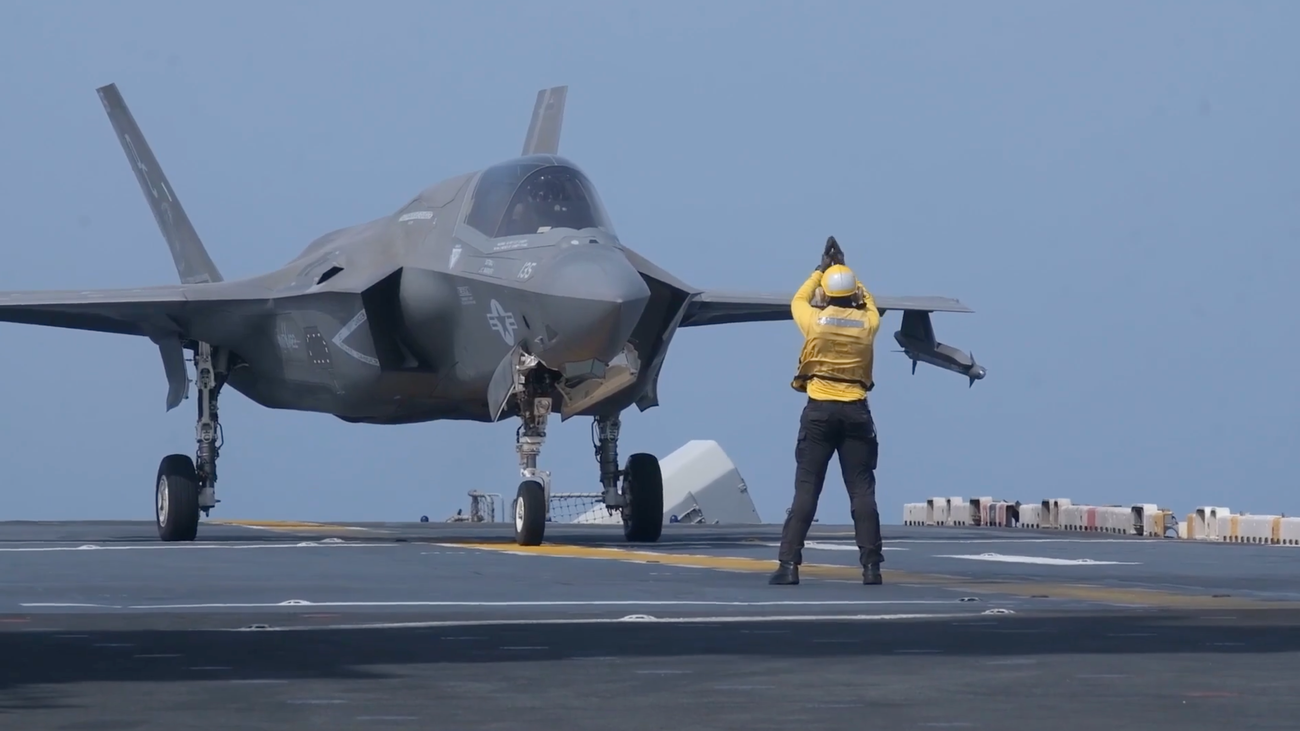
The article frames the situation as a sustained campaign rather than a one-off clash. According to the US military, strikes continued for a ninth night in a row against Iranian targets, including command centers, air defenses, coastal surveillance, missile and drone launch sites, and communications networks.
That choice of targets matters. It suggests a deliberate effort to degrade Iran's ability to coordinate, detect, and retaliate, not just to punish isolated attacks. The article says the stated aim is to further weaken Iran's military capabilities, which implies an open-ended pressure campaign rather than a quick exit ramp.
Pressure Spreads Beyond Iran
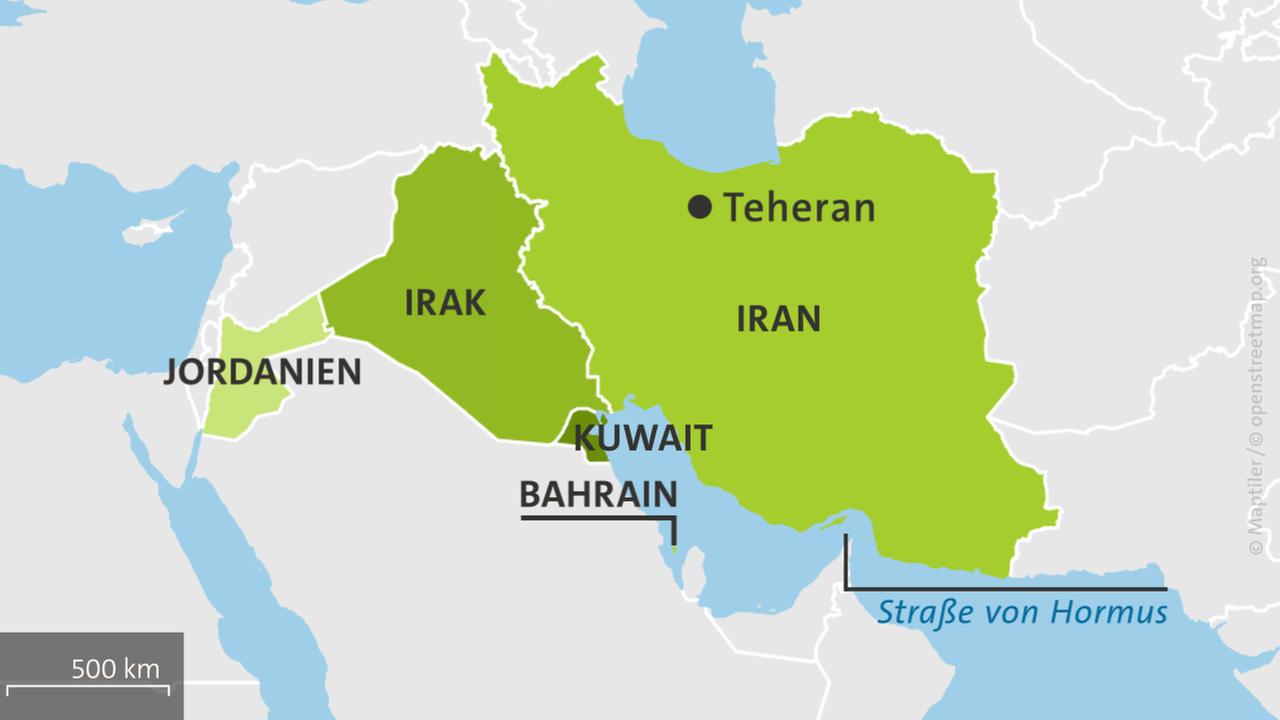
The conflict is no longer confined to Iranian territory. The article reports drone activity over Kuwait, air raid alerts in Bahrain, and a US embassy warning about possible Iranian targets in Manama, showing that neighboring states are now part of the security picture.
That broadening footprint raises the political stakes for everyone in the Gulf. Even without confirmed major damage, the mere activation of alerts and warnings can force governments, airlines, shippers, and residents into a more defensive posture. In other words, the region is starting to behave like a zone of persistent risk.
Hormuz Turns Into the Real Test
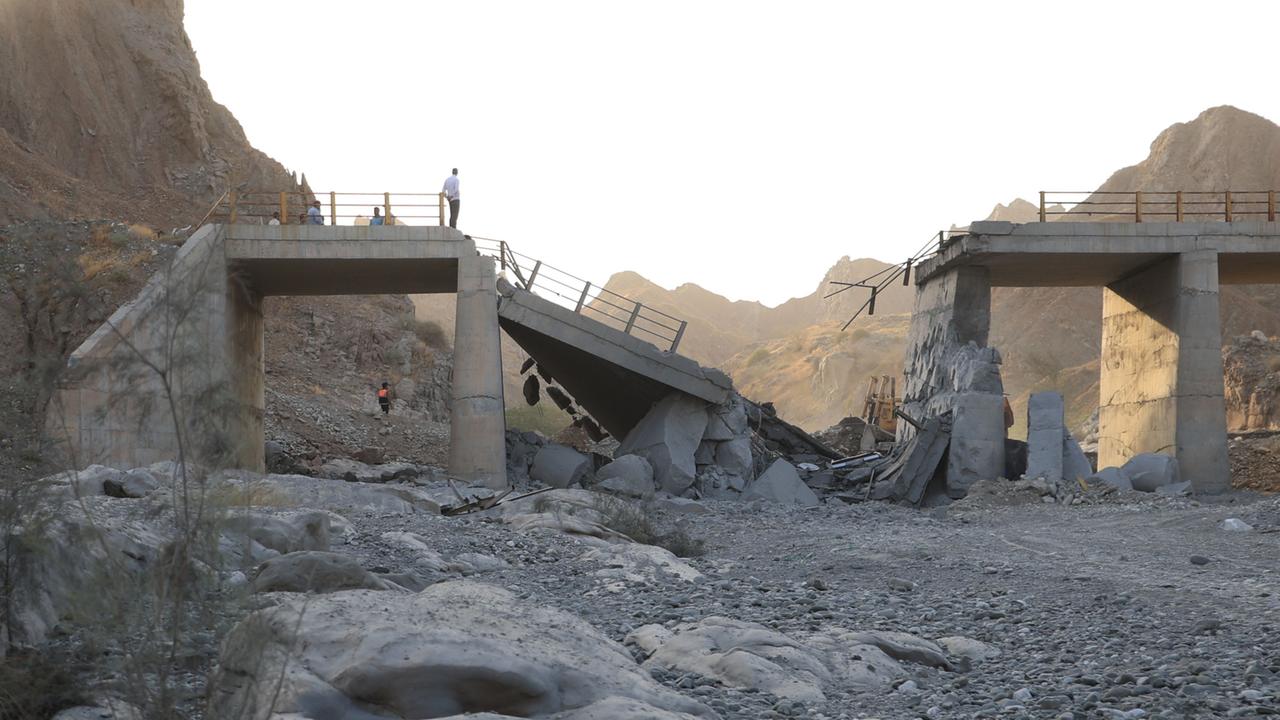
The strongest economic signal in the article is the Strait of Hormuz. The UK maritime authority reported a ship on fire near Oman, while Iran's Revolutionary Guards said two tankers were blown up on the southern route through the strait and were left unable to maneuver.
Whether every detail is immediately verified or not, the message is clear: shipping through one of the world's most important oil chokepoints is under stress. That makes energy markets especially sensitive, because even limited incidents can be enough to raise fears about supply disruption and push insurers, traders, and carriers to price in more risk.
Key points
- The US military says it struck Iran for a ninth consecutive night.
- Reported targets included command centers, air defenses, missile and drone launch sites, and communications systems.
- Iranian activity was also reported in Kuwait and Bahrain, widening the conflict beyond Iran.
- Two oil tankers were reportedly hit in the Strait of Hormuz, adding fresh shipping risk.
- The article sees no sign of de-escalation.
If the strikes and warnings push both sides toward restraint, the conflict could stay limited to targeted military actions. Clearer maritime security around Hormuz would also help calm shipping fears and reduce pressure on energy markets.
If the cycle of strikes and retaliation continues, the fighting could spread further across the Gulf and hit more civilian and commercial targets. Any real disruption in or near Hormuz would quickly raise the risk of higher oil prices and wider regional instability.
Market signals
- OIL The article reports attacks and tanker incidents near the Strait of Hormuz, a key oil shipping route, which raises supply-risk concerns.
- XAU The escalation and lack of de-escalation described in the article typically support safe-haven demand for gold.
AI-generated analysis of potential market relevance. Not financial advice.