US Military Ends New Wave of Attacks Against Iran
The US military has ended its new wave of attacks against Iran, targeting strategic military sites, including command centers, air defense systems, and coastal surveillance. The US aims to weaken Iran's ability to attack merchant ships and civilians passing through the St…
Intelligence analysis by Llama

The US military has ended its new wave of attacks against Iran, targeting strategic military sites. The US aims to weaken Iran's ability to attack merchant ships and civilians passing through the Strait of Hormuz.
Imagine you're on a ship passing through a narrow waterway. There are two countries on either side of the waterway, and one of them is trying to attack ships passing through. The other country wants to stop this from happening, so it starts attacking the first country's military sites. This is what's happening between the US and Iran, with the US trying to stop Iran from attacking ships passing through the Strait of Hormuz.
Analysis
A New Escalation in the Iran-US Conflict
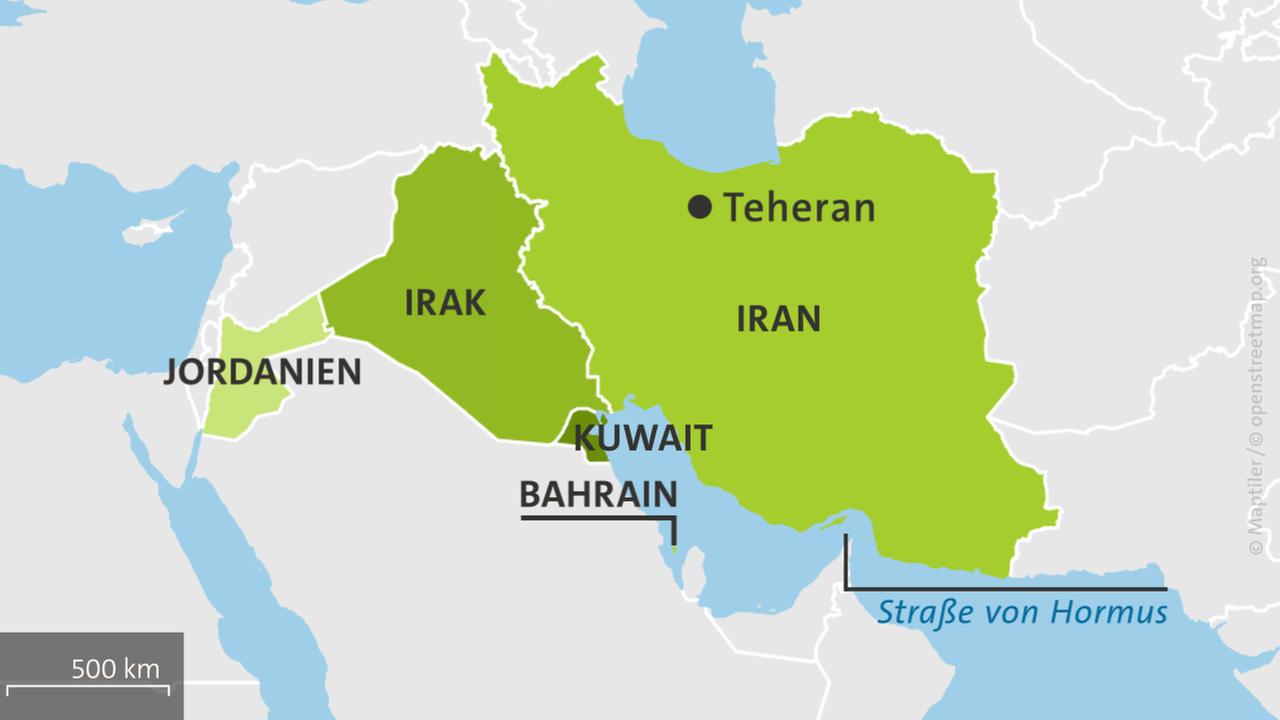
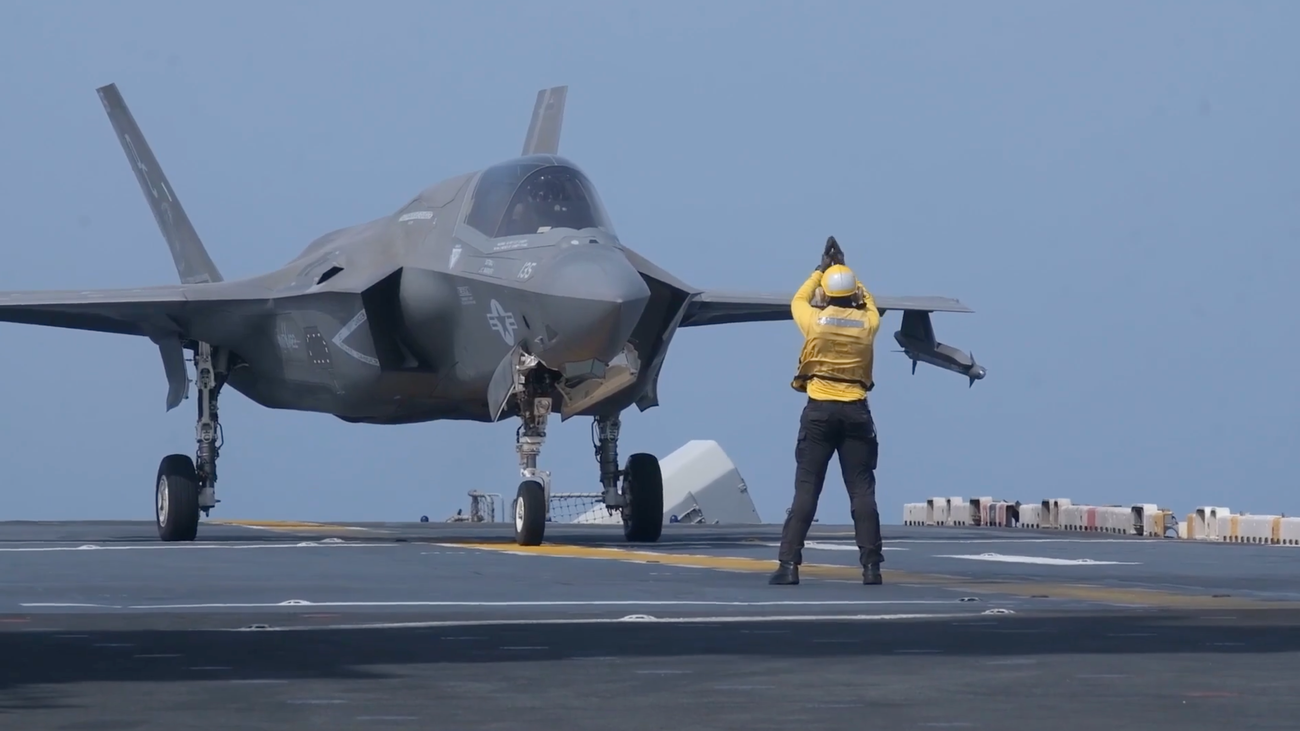
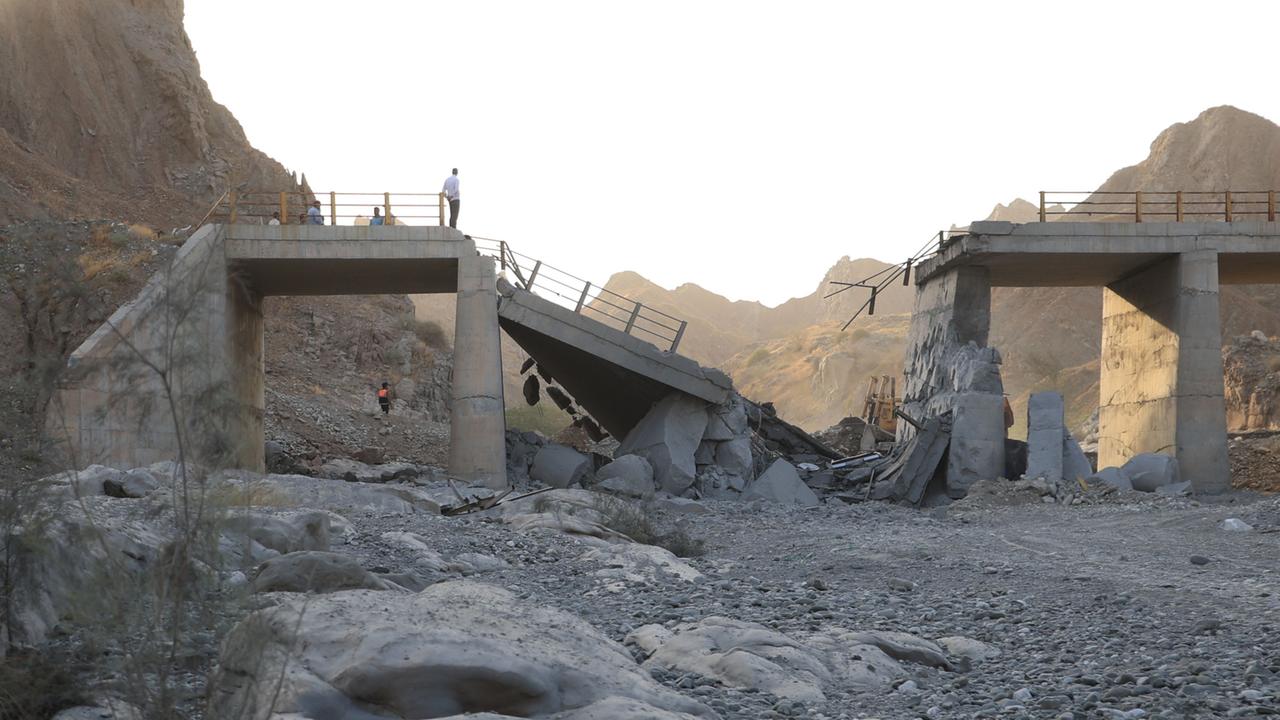
The recent wave of attacks by the US military against Iran has marked a new escalation in the ongoing conflict between the two nations. The US military has targeted strategic military sites, including command centers, air defense systems, and coastal surveillance. The aim is to weaken Iran's ability to attack merchant ships and civilians passing through the Strait of Hormuz.
The conflict has significant implications for global trade and security. The Strait of Hormuz is a critical waterway for oil and gas shipments, and any disruption to this route can have far-reaching consequences for the global economy. The US military's actions are aimed at preventing Iran from attacking merchant ships and civilians, but the move has also raised concerns about the potential for further escalation and the impact on regional stability.
The US Military's Strategy
The US military's strategy in targeting Iran's military sites is aimed at weakening the country's ability to attack merchant ships and civilians. The US has been concerned about Iran's actions in the region, particularly its attacks on merchant ships and civilians passing through the Strait of Hormuz. The US military's actions are seen as a response to these concerns and an attempt to prevent further attacks.
Regional Implications
The conflict between the US and Iran has significant regional implications. The US military's actions have been met with concern by regional countries, including Bahrain, Jordan, and Kuwait, which have activated their air defense systems in response to the potential for Iranian retaliation. The conflict has also raised concerns about the potential for further escalation and the impact on regional stability.
The Road Ahead
The conflict between the US and Iran is likely to continue, with both sides showing no signs of backing down. The US military's actions have been met with concern by regional countries, and the conflict has significant implications for global trade and security. The road ahead is uncertain, but one thing is clear: the conflict between the US and Iran will have far-reaching consequences for the region and the world.
Key points
- The US military has ended its new wave of attacks against Iran.
- The US military targeted strategic military sites, including command centers, air defense systems, and coastal surveillance.
- The aim is to weaken Iran's ability to attack merchant ships and civilians passing through the Strait of Hormuz.
- The conflict has significant implications for global trade and security.
- Regional countries, including Bahrain, Jordan, and Kuwait, have activated their air defense systems in response to the potential for Iranian retaliation.
If the US military's actions are successful in weakening Iran's ability to attack merchant ships and civilians, it could lead to a decrease in tensions in the region and a reduction in the risk of further escalation. Additionally, the US military's actions could also lead to a greater sense of security for regional countries, which could lead to increased cooperation and stability in the region.
If the conflict between the US and Iran continues to escalate, it could lead to a significant increase in tensions in the region, potentially resulting in further attacks on merchant ships and civilians. Additionally, the conflict could also lead to a destabilization of the region, potentially resulting in a wider conflict involving other countries.
Market signals
- Crude Oil The conflict between the US and Iran has increased the risk of disruption to oil shipments through the Strait of Hormuz, potentially leading to an increase in oil prices.
AI-generated analysis of potential market relevance. Not financial advice.