EU faces 300,000 factory job cuts as China 'colonises' supply chains, industry warns
EU warns of 300,000 factory job cuts due to Chinese competition in supply chains, staging a protest in Brussels.
Intelligence analysis by Qwen 2.5 (3B)
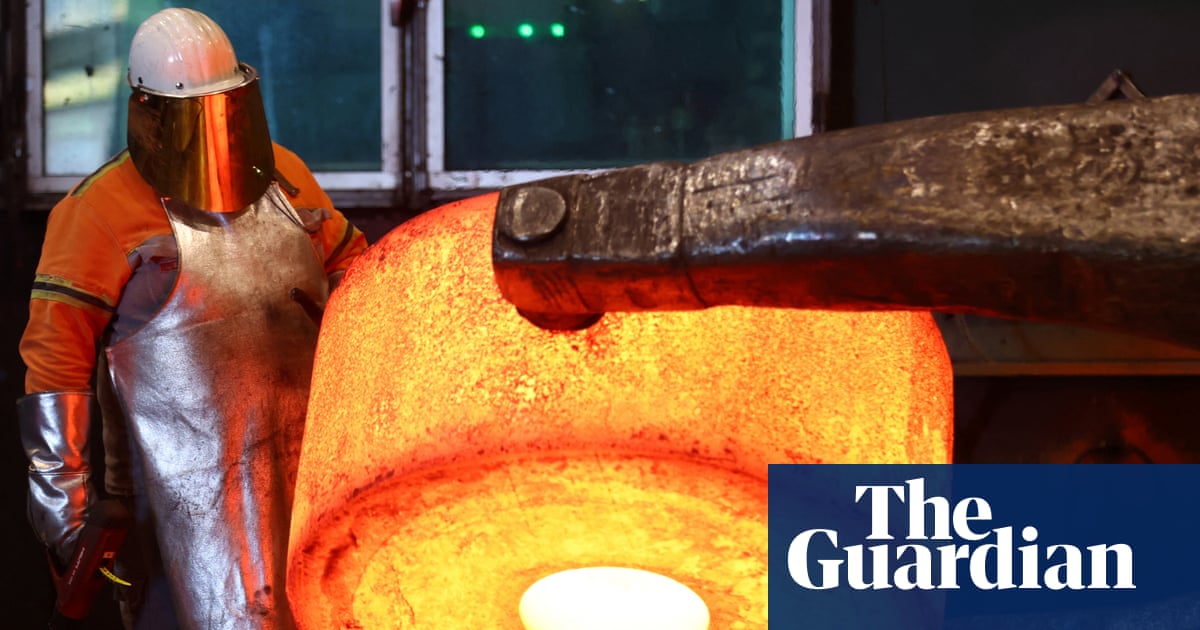
EU industry body warns of 300,000 job losses in manufacturing due to Chinese competition, calling for action from Brussels.
A lot of factories in Europe might lose their workers because China is selling things to them that make it hard for European factories to compete and stay open.
Analysis
{"heading_1":"The Impact of Chinese Competition","paragraph_1":"The job losses in manufacturing could have far-reaching consequences for the EU's economy. Eurometal warns that the loss of production, investment, and know-how could undermine the bloc's long-term economic resilience.","paragraph_2":"Julius argues that the EU's political rhetoric about protecting jobs and industries is not enough. He believes that more decisive action is needed to address the underlying issue of Chinese competition in supply chains.","paragraph_3":"The EU has already taken action against Chinese imports in sectors like electric vehicles and steel. However, Julius points out that Chinese components are not subject to the same levies as European manufacturers, giving them a significant advantage.","heading_2":"Political and Economic Factors","heading_3":"The Broader Economic Implications"}
Key points
- Eurometal predicts 300,000 job losses in EU manufacturing by the end of 2026 due to Chinese competition.
- The EU has already taken action against Chinese imports in sectors like electric vehicles and steel.
- Chinese components are not subject to the same levies as European manufacturers, giving them a significant advantage.
If the EU takes decisive action to address the root causes of the problem, such as reducing tariffs and addressing the undervalued Chinese currency, it could help European factories stay competitive and prevent job losses.
If the EU does not take action, it could lead to more job losses and potentially destabilize the European economy.