EU Names Justin Sun's HTX in Russia Sanctions, Two Months After UK
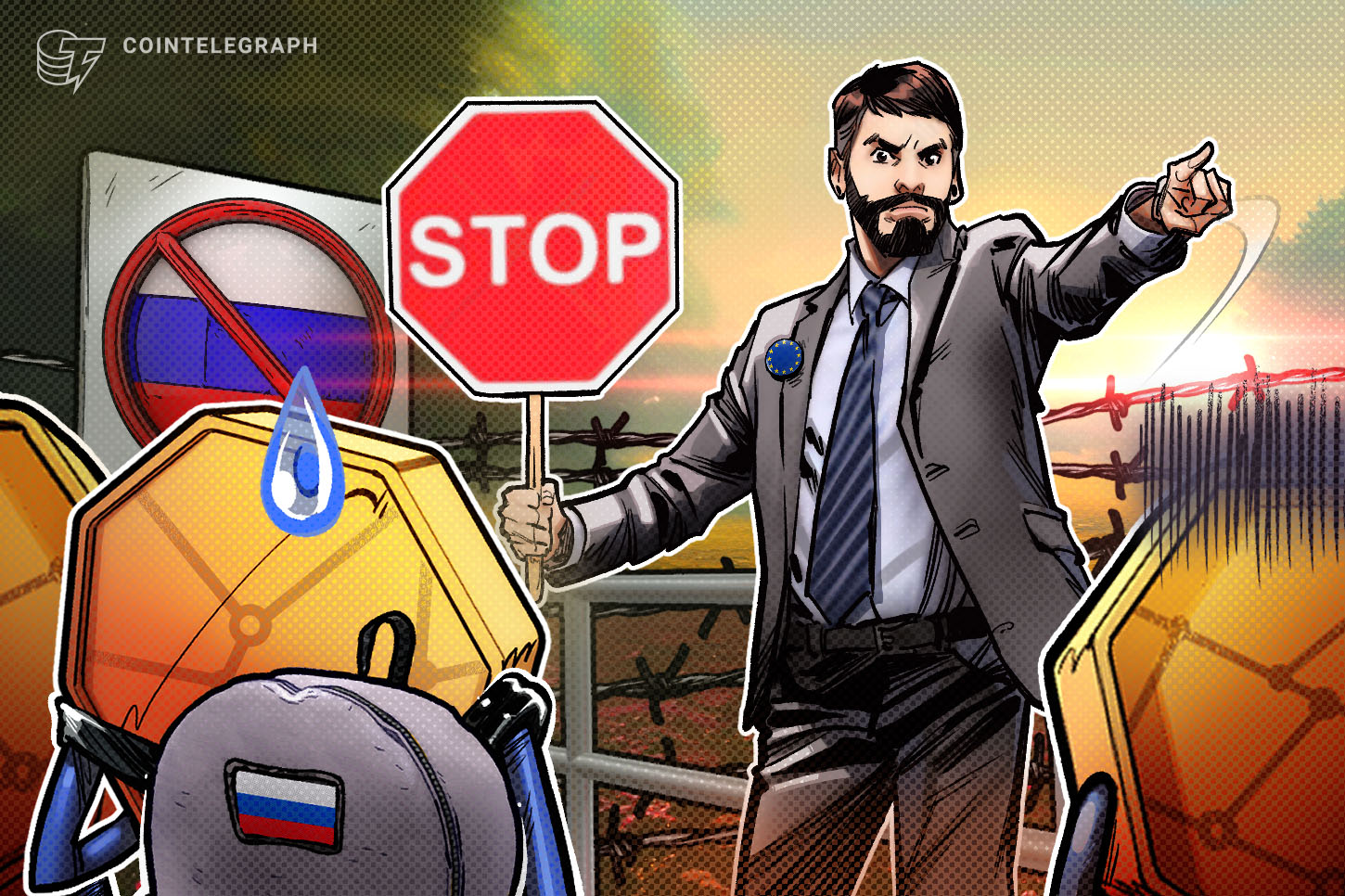
The European Union has added HTX, a crypto exchange advised by Justin Sun, to its Russia sanctions list, imposing a transaction ban from August 23.
Intelligence analysis by Gemini 2.5 Flash

Following the UK's earlier designation, the EU's 21st sanctions package targets HTX (formerly Huobi Global SA) for allegedly frustrating Russia sanctions, prohibiting transactions but not freezing assets. HTX denies the allegations, stating a lack of supporting evidence.
Imagine there's a big club of countries that decided not to trade with a certain country because of a disagreement. Now, they've noticed a digital money exchange, like a special bank for online coins, that they think is still helping people from that forbidden country move their money around. So, the club has put a ban on doing business with this online coin bank, meaning people can't send money through it anymore, like a timeout for breaking the rules.
Analysis
Escalating Sanctions Against Crypto Platforms
The European Union's decision to include HTX, the cryptocurrency exchange associated with Justin Sun, in its latest package of Russia sanctions marks a significant escalation in global efforts to curb the use of digital assets for illicit activities. This move, which imposes a transaction ban on HTX starting August 23, underscores a concerted push by major economic blocs to ensure that crypto platforms adhere to international financial regulations and sanctions regimes. The designation specifically targets Huobi Global SA, the operator of HTX, for "significantly frustrating" the EU's existing sanctions against Russia, indicating a belief that the exchange's operations have undermined the effectiveness of these measures.
Precedent Set by the UK and HTX's Denial
The EU's action comes approximately two months after the United Kingdom similarly designated HTX in its own Russia sanctions. This sequential targeting by two major regulatory bodies suggests a coordinated or at least mutually reinforcing approach to identifying and sanctioning crypto entities deemed non-compliant. HTX, for its part, has consistently denied these allegations, asserting that such actions are unwarranted and lack sufficient supporting evidence. The exchange's stance highlights a potential disconnect between regulatory bodies' assessments and the operational realities or compliance frameworks of crypto platforms, setting the stage for ongoing legal and diplomatic challenges.
Broader Implications for Global Crypto Compliance
The inclusion of HTX in both UK and EU sanctions sends a clear message to the broader cryptocurrency industry: operating globally requires stringent adherence to international sanctions and anti-money laundering (AML) protocols. This trend indicates that regulators are increasingly willing to extend their reach into the decentralized and often borderless world of digital assets, forcing exchanges to implement robust compliance mechanisms or face severe penalties. For users and investors, these sanctions introduce new layers of risk and uncertainty, particularly for those utilizing platforms that may be perceived as having lax compliance or ties to sanctioned individuals or nations. The ongoing scrutiny will likely drive further consolidation and a greater emphasis on regulatory compliance within the crypto sector.
Key points
- The European Union has added HTX, a crypto exchange advised by Justin Sun, to its 21st package of Russia sanctions.
- The sanctions impose a transaction ban on HTX starting August 23, but do not include an asset freeze.
- HTX was designated under its operator, Huobi Global SA, for "significantly frustrating" EU Russia sanctions.
- This EU action follows a similar designation by the UK two months prior.
- HTX denies the allegations, stating that the sanctions lack supporting evidence.
The sanctions could significantly impact HTX's global operations and reputation, potentially leading to a decline in user trust and trading volume as individuals and institutions seek more compliant platforms. This increased regulatory pressure may also force other crypto exchanges to re-evaluate their global operations, potentially leading to service restrictions in certain regions or for specific users.