EU needs a 'dedicated instrument' to unwind China dependencies, trade chief says
The EU is weighing a new rule to push companies to diversify away from China suppliers after chip and rare-earth disruptions.
Intelligence analysis by GPT-5.4 Mini
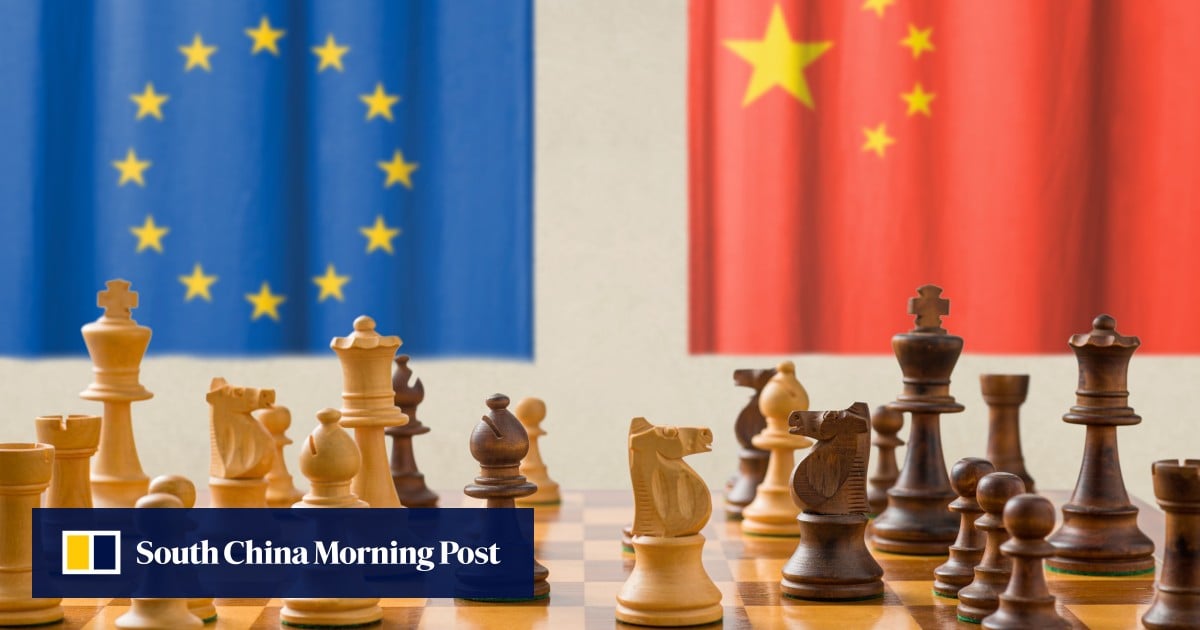
Brussels is moving from warning to policy: trade chief Maros Sefcovic says Europe may need a dedicated legal tool to force supplier diversification, echoing its response to Russian energy dependence. The push follows export-control shocks that strained European industry.
The EU is thinking about a rule that would make companies buy from more than one place, so one supplier cannot squeeze them. It is like keeping a spare key instead of trusting only one keyholder.
Analysis
What Brussels is considering
EU Trade and Economic Security Commissioner Maros Sefcovic said the bloc needs a “dedicated instrument” to diversify away from single-supplier dependence. He said he would model the approach on how the EU reduced reliance on Russian energy after Russia’s invasion of Ukraine in 2022.
Why now
Sefcovic said recent industrial cases, especially chips and rare earths, reinforced his view that “a step change is necessary.” The article says he was referring to Beijing’s export controls on critical minerals and semiconductors during the China-US trade war, as well as a dispute involving Netherlands-based chipmaker Nexperia last year. According to the article, each new round of controls brought parts of European industry close to pausing production.
What happens next
Sefcovic said he will take recommendations to the European Council meeting on June 18 and 19. He said the EU has mapped the situation and will present an overall assessment of the relationship with China to the 27 heads of state and government, after which he expects political guidance on what concrete tools to prioritize.
The article does not confirm the final legal design of the instrument, only that a separate rule to compel supplier diversification is being considered. The immediate signal is political: Brussels is preparing to treat dependency on China in high-risk sectors as a security problem that may need a formal regulatory answer.
Key points
- The EU trade chief publicly confirmed that Brussels is considering a specific rule to push supplier diversification away from China.
- Maros Sefcovic said the EU should model the approach on how it reduced dependence on Russian energy after 2022.
- He pointed to chips and rare earths as examples of recent industrial cases that exposed the risk of single-supplier dependence.
- The article says Beijing's export controls and the Nexperia dispute helped bring European industry close to pausing production.
- Sefcovic plans to bring recommendations to the European Council meeting on June 18 and 19.
If the EU follows through, companies could become less vulnerable to sudden supply shocks in chips and rare earths. More diversified sourcing could also give European industry more breathing room when trade tensions rise.
A new rule could be hard to design and enforce across many sectors and companies. If diversification is slow or costly, European firms may still remain exposed to supply disruptions while facing added compliance pressure.