EU proposes ban on 11 crypto platforms in Russia sanctions push
The EU wants to ban transactions on 11 crypto platforms in a new Russia sanctions package. The move expands pressure on firms accused of helping Moscow evade restrictions.
Intelligence analysis by GPT-5.4 Mini
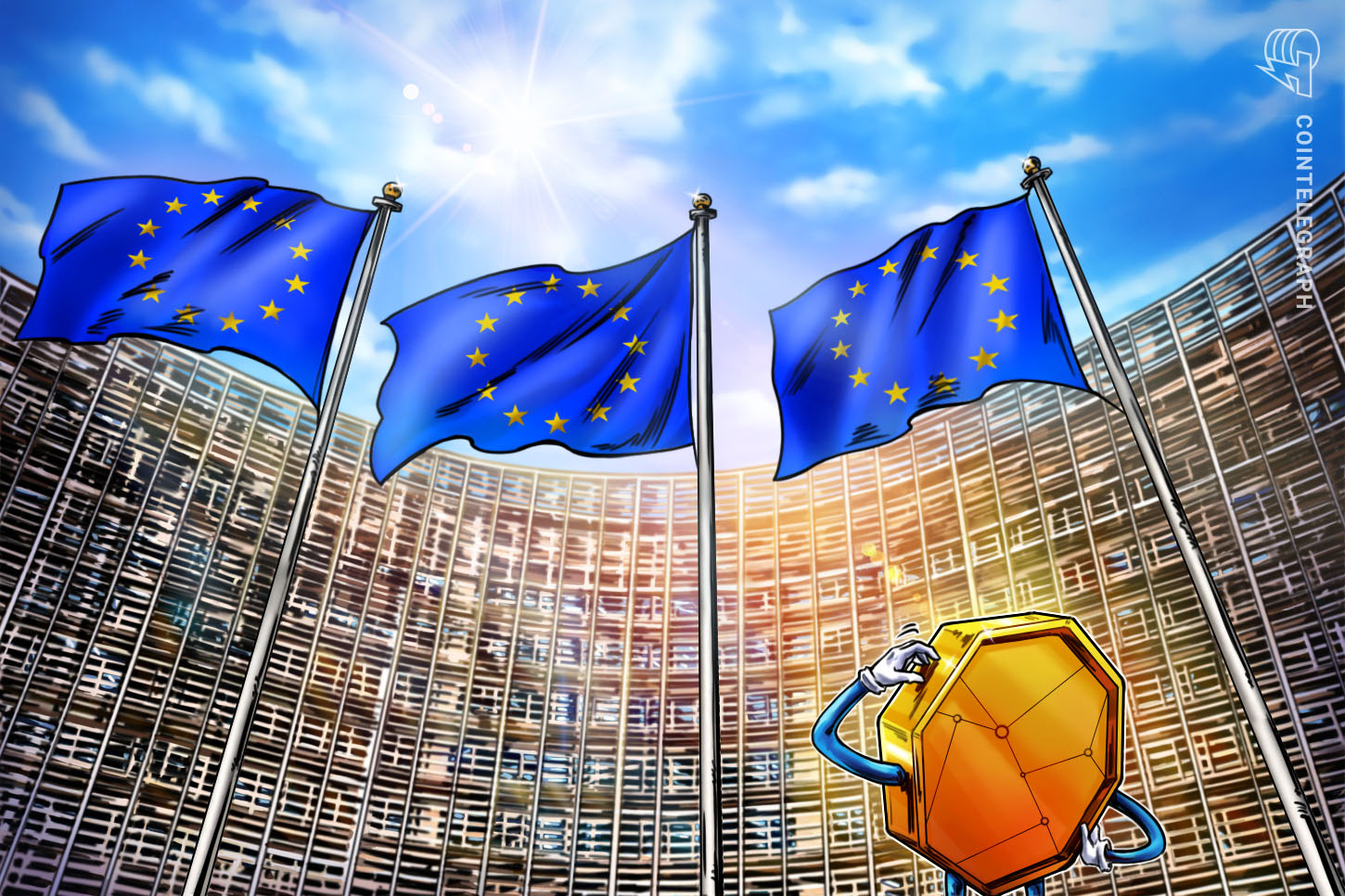
The European Commission’s 21st sanctions package would extend EU pressure beyond banks and energy to crypto platforms and other third-country entities. The proposal does not name the 11 platforms yet, but it follows fresh UK action against HTX over alleged Russia-linked financial activity.
The EU wants to stop some crypto platforms from helping Russia move money around. It is like blocking certain roads so a person cannot use them to sneak past a fence, but the article says the exact platforms are not named yet.
Analysis
What the EU proposed
The European Union has proposed banning transactions on 11 crypto platforms as part of its 21st sanctions package against Russia. Kaja Kallas said the bloc would also tighten its ban on crypto-asset services to certain third countries and add new designations.
The package is broader than crypto alone. According to the European Commission, it would target Russian banks, weapons manufacturers, oil traders, refineries, and other entities outside the bloc that the EU says have helped sanctioned Russian individuals and organizations or otherwise assisted in evading sanctions.
What is known, and what is not
The Commission did not publicly identify the 11 crypto platforms. Cointelegraph said it asked for clarification, but the Commission did not provide details before publication. That means the market still lacks a firm read on which firms are in scope or how broad the transaction ban will be.
The proposal follows UK sanctions announced on May 26 against Huobi Global S.A., the Panamanian company behind HTX. UK authorities said they had reasonable grounds to suspect support for Russia-linked financial networks. HTX denied the allegations, saying the sanctioned entity is separate from the exchange.
Cointelegraph also cited a Global Ledger report saying HTX processed about $21.06 billion in high-risk crypto flows between 2021 and May 2026, with at least $7.64 billion linked to Russian high-risk entities and darknet markets including Garantex, Grinex, A7A5, and Hydra.
The tension
The story highlights a familiar problem in crypto sanctions enforcement: targeting illicit networks without freezing ordinary users who happened to touch the wrong platform. The article notes that blockchain researchers criticized the UK’s broad exchange-level approach for potentially blurring risk signals and weakening compliance tools.
Key points
- The EU proposed banning transactions on 11 crypto platforms in its 21st sanctions package against Russia.
- Kaja Kallas said the bloc would also tighten crypto-asset service restrictions for certain third countries.
- The European Commission did not publicly name the 11 platforms.
- The proposal follows UK sanctions against HTX over alleged links to Russia-connected financial networks.
- Researchers warned that broad exchange-level sanctions can blur risk signals and affect legitimate users.
If the proposal is enforced cleanly, it could make it harder for sanctioned networks to move funds through crypto rails. Clearer targeting could also push exchanges and service providers to tighten checks and improve compliance practices.
Because the 11 platforms were not named, the market may face uncertainty about who is affected and how wide the ban will reach. Broad platform-level sanctions could also catch legitimate users and make it harder for compliance tools to separate bad flows from normal activity.