EU Reforms Carbon Market Under Pressure from Industry
The European Union has proposed easing its carbon trading scheme for companies, allowing them to carry on carbon emissions for a longer period and at a lower cost. The reforms aim to balance the bloc's climate push with industry demands.
Intelligence analysis by Llama
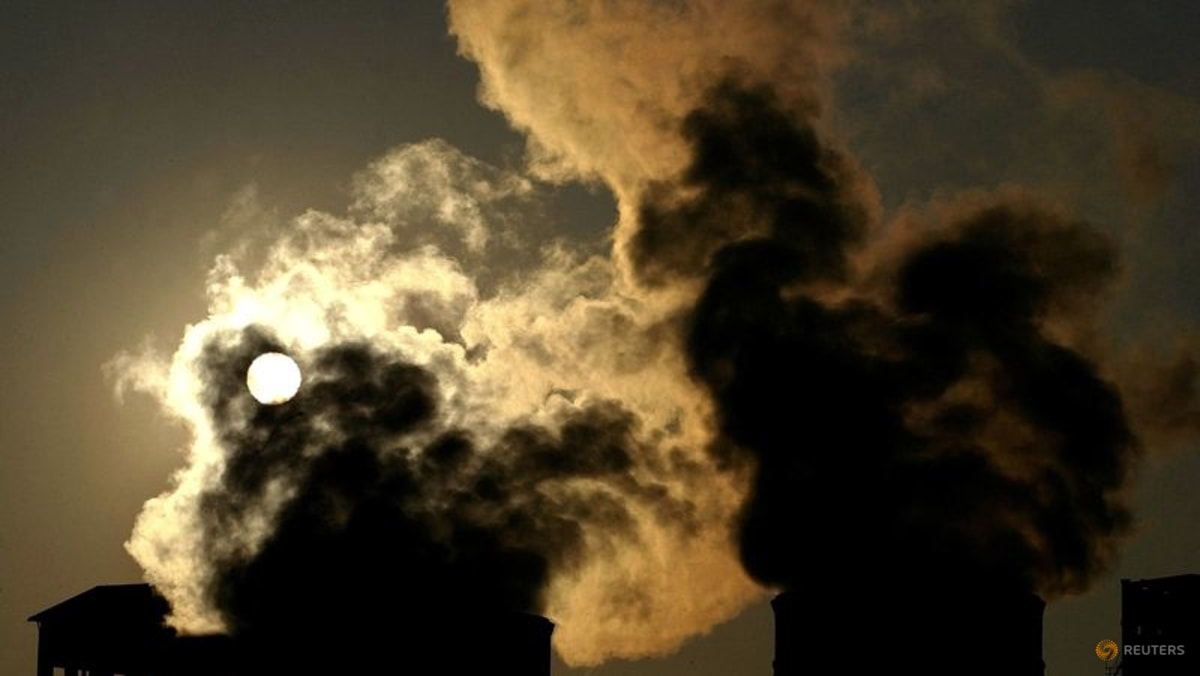
The EU has unveiled reforms to its carbon trading scheme, allowing companies to carry on carbon emissions for a longer period and at a lower cost. The changes aim to balance the bloc's climate push with industry demands.
Imagine you're running a factory that makes things that pollute the air. The EU has a system to help reduce pollution by making factories pay for the bad things they do. Now, the EU is changing this system to make it easier for factories to keep polluting for a bit longer. This is a big deal because it might make it harder for the EU to meet its goals to reduce pollution.
Analysis
A Shift in EU Climate Policy
The European Union's proposed reforms to its carbon trading scheme mark a significant shift in the bloc's climate policy. The changes aim to balance the EU's ambitious climate goals with industry demands, particularly from carbon-intensive economies such as Italy and Poland. The overhaul of the two-decade-old Emissions Trading System (ETS) has been subject to fierce wrangling between countries, industry, and activists over the pace of the bloc's climate push.
Why Industry Pressure Matters
Industry pressure has been a key factor in the EU's decision to reform its carbon trading scheme. Companies have been pushing for a more business-friendly approach, arguing that the current system is too burdensome. The EU's climate commissioner, Wopke Hoekstra, has acknowledged the need for a more balanced approach, stating that the bloc is adopting a 'more business-friendly and, may I say so, savvy approach.'
Implications for the EU's Climate Ambitions
The reforms will have significant implications for the EU's climate ambitions. The changes will allow companies to carry on carbon emissions for a longer period and at a lower cost, which may undermine the bloc's efforts to reduce greenhouse gas emissions. However, the EU is also pushing countries to channel revenues from the ETS into decarbonising industry, which could help to offset the impact of the reforms.
Key points
- The EU has proposed easing its carbon trading scheme for companies.
- The reforms aim to balance the bloc's climate push with industry demands.
- Companies will be allowed to carry on carbon emissions for a longer period and at a lower cost.
- The changes will have significant implications for European industry and the bloc's climate ambitions.
If the EU's reforms to its carbon trading scheme are implemented, it could lead to increased investment in decarbonisation efforts and a more business-friendly approach to climate policy. This could attract more companies to invest in clean technologies and reduce greenhouse gas emissions.
The EU's reforms to its carbon trading scheme could undermine the bloc's efforts to reduce greenhouse gas emissions. If companies are allowed to carry on carbon emissions for a longer period and at a lower cost, it could lead to increased pollution and make it harder for the EU to meet its climate goals.