EU Regulators Warn of Crypto Scams Amid MiCA Licensing Shakeout
EU watchdogs warn of impersonation scams amid MiCA licensing shakeout. Criminals are reportedly using fake websites and falsified documents to target customers searching for licensed crypto providers.
Intelligence analysis by Llama
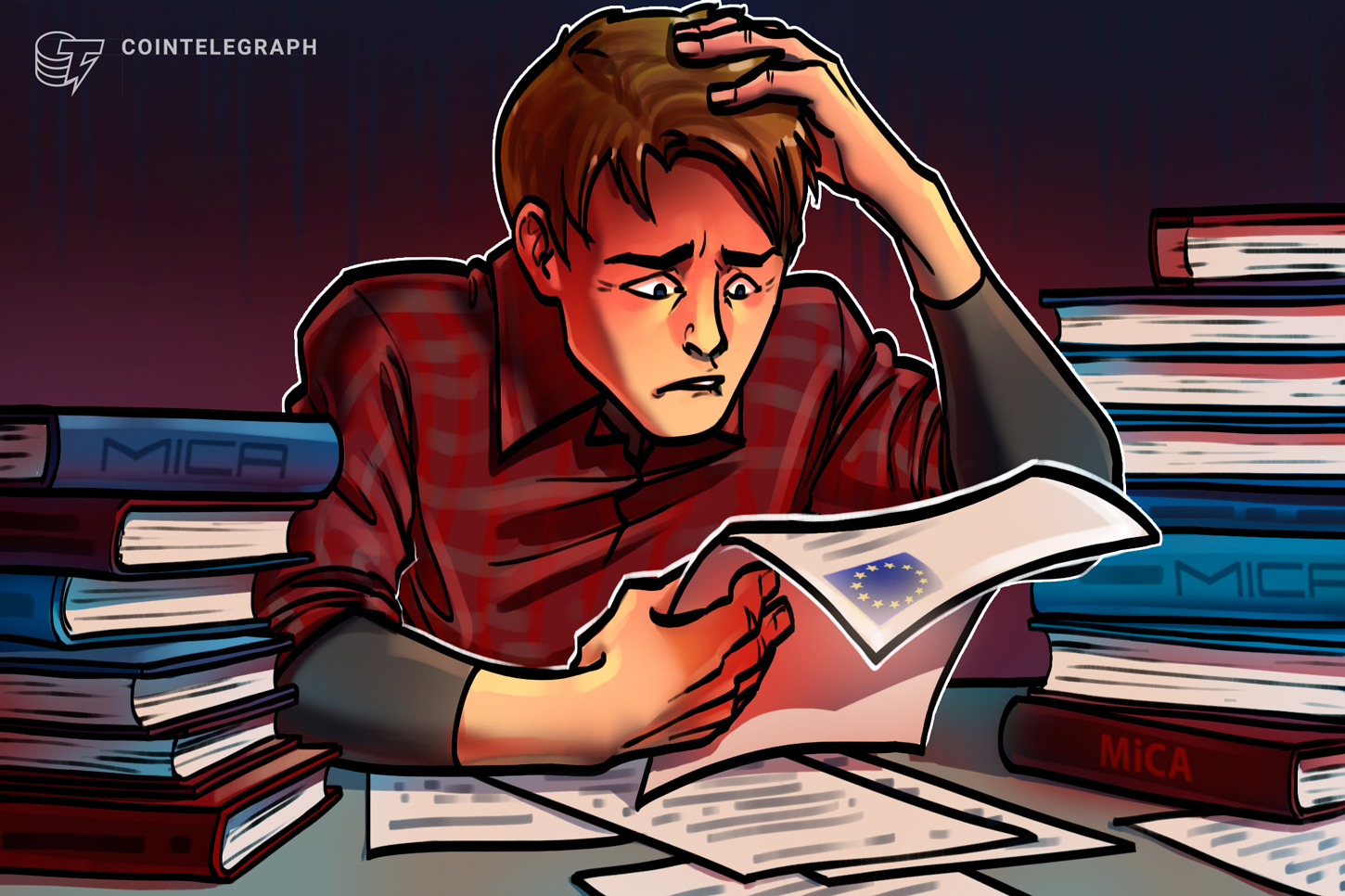
EU regulators have seen an increase in scams since the July 1 deadline for crypto firms to obtain EU licenses under the MiCA Regulation. Fraudsters are impersonating financial regulators and crypto businesses to target customers.
Imagine you're looking for a new place to store your money, and someone calls you saying they're from a government agency. They tell you to send your money to a new account, but it's actually a scam. This is what's happening with some people who are trying to get money from others by pretending to be from a government agency or a crypto company. It's like a big trick, and people need to be careful not to fall for it.
Analysis
A Rise in Scams Amid MiCA Licensing Shakeout
The European Union's MiCA Regulation has brought about a significant change in the crypto landscape. As of July 1, crypto firms were required to obtain EU licenses to operate within the bloc. However, this deadline has also led to an increase in scams, with criminals targeting customers searching for licensed providers.
According to officials, fraudsters are impersonating financial regulators and crypto businesses to trick customers into transferring their assets. This is a concerning trend, especially given the lack of awareness among crypto users about the risks involved.
The Role of EU Watchdogs
EU watchdogs, such as the Autorité des Marchés Financiers (AMF) and the European Securities and Markets Authority (ESMA), have been working to combat these scams. They have issued warnings to customers about the risks of impersonation scams and have taken steps to prevent these crimes.
However, more needs to be done to protect customers. The lack of awareness about the risks involved and the ease with which scammers can impersonate financial regulators and crypto businesses make it a challenging task.
The Need for Vigilance
In light of these scams, it is essential for crypto users to be vigilant and aware of the risks involved. They should be cautious when dealing with unfamiliar websites and should never transfer their assets to unknown parties.
Additionally, crypto firms should take steps to prevent these scams, such as implementing robust security measures and educating their customers about the risks involved.
By working together, we can prevent these scams and ensure a safer and more secure crypto environment for all users.
Key points
- EU watchdogs have warned of impersonation scams amid MiCA licensing shakeout.
- Criminals are targeting customers searching for licensed crypto providers.
- EU watchdogs are working to combat these scams and prevent them from happening.
- Crypto users need to be vigilant and aware of the risks involved.
- Crypto firms should take steps to prevent these scams and educate their customers about the risks.
If the EU watchdogs and crypto firms work together to prevent these scams, it could lead to a safer and more secure crypto environment for all users. This would give people more confidence in using crypto and could lead to increased adoption and growth in the industry.
If the scams continue to rise, it could lead to a loss of trust in the crypto industry and a decrease in adoption. This would be a setback for the industry and could make it harder for people to access and use crypto.