Live updates: Bitcoin nears $65,000 as oil, inflation hopes keep macro bid alive
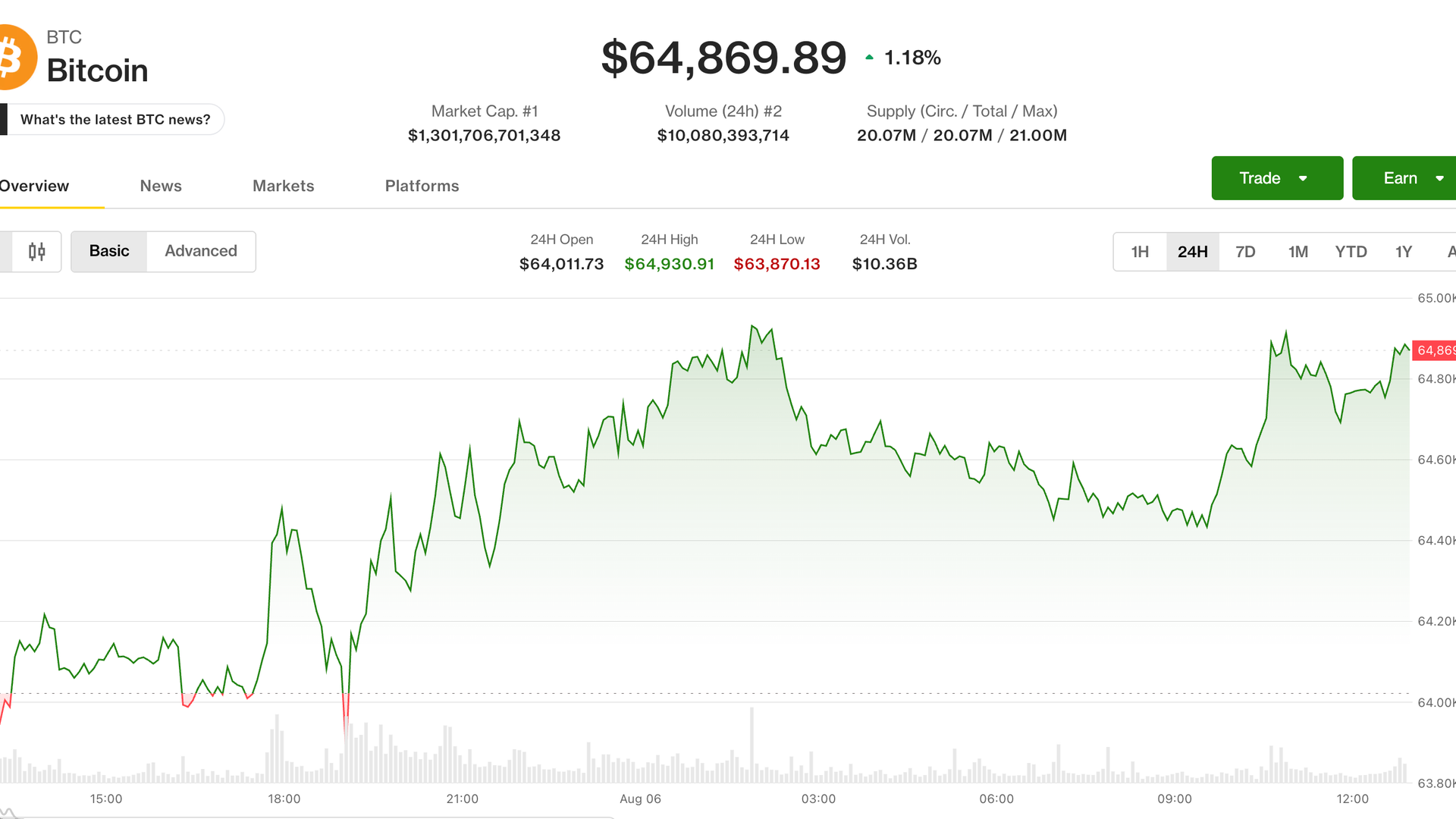
Bitcoin is trading near $65,000, primarily driven by broader macroeconomic optimism, including hopes for lower oil prices and easing inflation, rather than fresh crypto-specific demand. U.S.-listed spot Bitcoin ETFs have also seen significant inflows, totaling $626 millio…
Intelligence analysis by Gemini 2.5 Flash
Bitcoin's recent stability and modest gains are largely attributed to a positive macro mood, fueled by President Trump's comments on a potential Strait of Hormuz deal that could lower oil prices and ease inflation. This macro optimism, coupled with substantial inflows into Bitcoin ETFs, is keeping the asset's price supported, though its correlation with traditional risk assets like th…
Imagine Bitcoin as a special digital coin. Right now, its price is going up because grown-ups are feeling good about the world's economy, especially if gas prices might go down. Big money funds are also putting lots of cash into it, like adding fuel to a race car. But for the coin to really zoom, everyone needs to keep feeling good, and those big funds need to keep adding fuel.
Analysis
Macroeconomic Drivers and Risk Appetite
Bitcoin's current price stability near $65,000 is largely a reflection of a broader positive macroeconomic sentiment, rather than a surge in crypto-specific demand. The article points to President Donald Trump's recent comments, which included optimism about strong employment, improved manufacturing data, and cooling inflation. Crucially, Trump also raised the possibility of a deal to reopen the Strait of Hormuz. Such a development is anticipated to exert downward pressure on oil prices, which in turn would alleviate inflation concerns. This scenario is highly favorable for risk assets, as it could lead to lower Treasury yields and a weaker dollar, creating an environment where assets like Bitcoin typically thrive.
The narrative suggests that Bitcoin is currently trading as if some of these favorable macro conditions are beginning to materialize. However, the article cautions that this trade relies on a sequence of events aligning perfectly: lower oil prices must translate into reduced inflation expectations, which then need to pull down real yields and the dollar. The interconnectedness of these factors underscores Bitcoin's growing integration into the global financial landscape, making it susceptible to traditional market forces.
Institutional Inflows and Market Dynamics
Adding to the macro tailwinds, U.S.-listed spot Bitcoin exchange-traded funds (ETFs) have demonstrated robust institutional interest, recording a net inflow of $626 million over a three-day period. This performance positions these funds for their best weekly showing since early May, according to data from SoSoValue. Such significant inflows are a clear indicator of sustained institutional demand, which analysts like Vikram Subburaj, CEO of Giottus.com, believe is essential for Bitcoin to achieve a more substantial and lasting rally. The consistent accumulation by institutional players through these regulated investment vehicles provides a foundational bid for Bitcoin, signaling growing mainstream acceptance and integration into traditional portfolios.
However, the article also implies that while these inflows are positive, their sustainability is key. A few days of strong performance do not necessarily guarantee a prolonged uptrend. The market will be watching closely to see if this pace of institutional investment can be maintained, as it directly impacts the supply-demand dynamics for Bitcoin. The interplay between these dedicated crypto inflows and the broader macro environment creates a complex picture for Bitcoin's short-to-medium term price action.
Critical Levels and Correlations to Watch
For Bitcoin to break out of its current narrow trading range and move decisively above $65,000, several key indicators need to align. The article emphasizes the importance of real yields and the dollar. If both of these fall in conjunction with lower oil prices, Bitcoin would have a clearer path to higher valuations. Conversely, if real yields remain stubbornly firm, the macro case for a significant Bitcoin rally remains theoretical, likely keeping the cryptocurrency pinned near its current levels. This highlights the sensitivity of Bitcoin to traditional financial metrics, moving beyond purely crypto-specific catalysts.
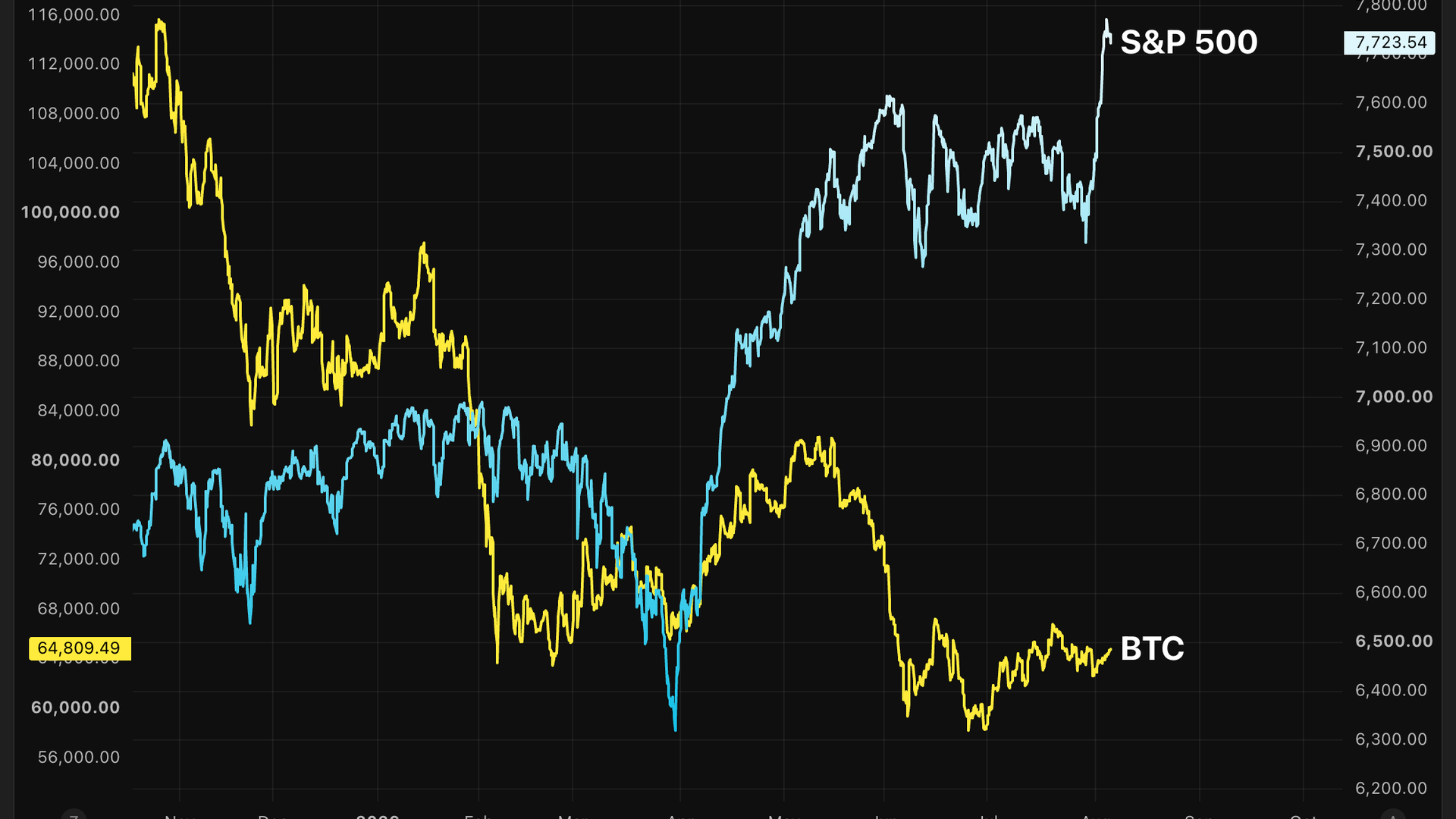
Furthermore, Bitcoin's approximately 63% correlation with the S&P 500 index suggests that broader equity market sentiment may exert more influence on its price in the near term than crypto-native flows. A calmer Middle East, while generally positive for risk appetite, could also diminish the safe-haven demand that previously supported Bitcoin earlier in the summer. This dual nature—benefiting from risk-on sentiment but potentially losing safe-haven appeal—adds another layer of complexity to its market behavior, requiring investors to monitor a diverse set of global economic and geopolitical factors.
Key points
- Bitcoin is trading near $64,830, showing modest gains over 24 hours and the week.
- U.S.-listed spot Bitcoin ETFs have recorded $626 million in net inflows over three days, signaling strong institutional demand.
- Macroeconomic hopes, including potential lower oil prices and easing inflation, are the primary drivers for Bitcoin's current bid.
- President Trump's comments on a possible Strait of Hormuz deal contributed to optimism about lower oil prices.
- Bitcoin's price movement is highly correlated with the S&P 500 and influenced by real yields and the dollar's performance.
If the macro hopes materialize, particularly a deal to reopen the Strait of Hormuz leading to lower oil prices, easing inflation, and subsequently falling real yields and a weaker dollar, Bitcoin could see a clean path to break above its current range. Sustained institutional inflows into spot Bitcoin ETFs would further bolster this positive momentum, driving a meaningful rally.
Should real yields remain firm despite the optimistic macro outlook, the theoretical case for Bitcoin's rally would weaken, potentially keeping its price pinned near $65,000. Additionally, if the pace of institutional ETF inflows does not sustain, or if a calmer Middle East reduces Bitcoin's safe-haven demand, its upward trajectory could be limited.