EU trade chief swipes at China’s overcapacity, but seeks ‘meaningful’ talks with Beijing
EU trade chief Maros Sefcovic pressed China on overcapacity and market distortions, while saying Brussels wants practical talks, not escalation.
Intelligence analysis by GPT-5.4 Mini
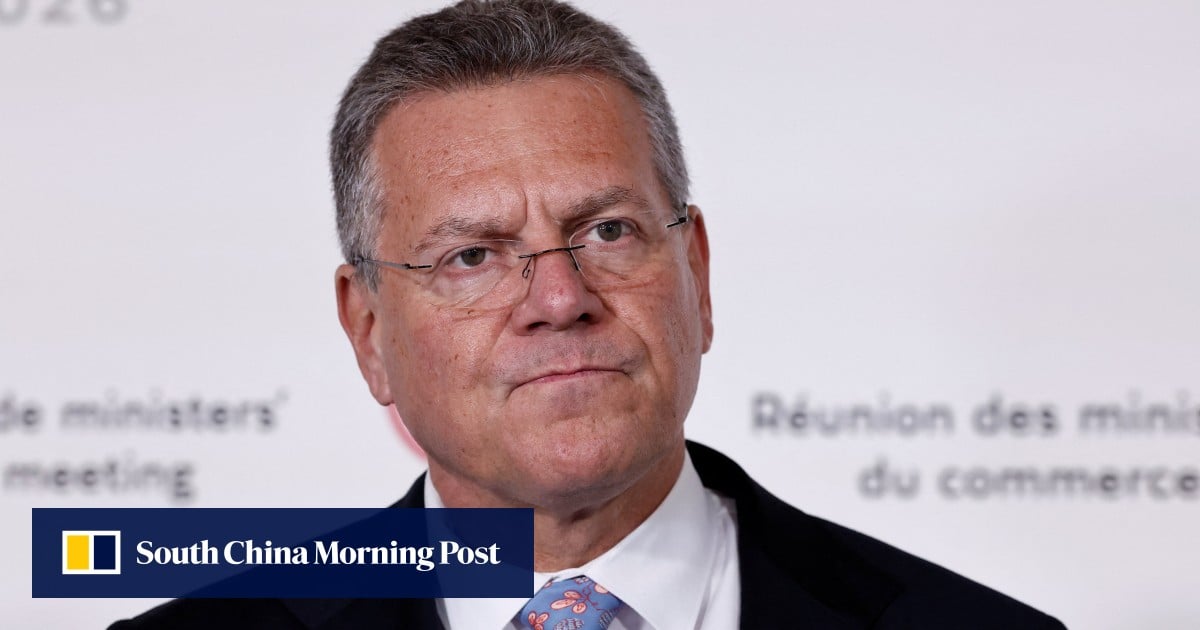
After meeting China’s top trade negotiator in Paris, Sefcovic paired a sharp warning about China-linked overcapacity with a call for practical, result-oriented dialogue. He said both sides are preparing for talks in Brussels later this month.
The EU is telling China that too many cheap goods can flood markets and cause trouble, like one kid bringing too many toys to trade day. But instead of arguing, both sides want to sit down and find a fairer deal.
Analysis
What happened
EU trade chief Maros Sefcovic said the European Union wants a practical way to address concerns about non-market practices and overcapacity that are distorting global markets. He made the remarks after meeting China’s chief international trade negotiator, Li Chenggang, on the sidelines of an OECD ministerial meeting in Paris.
Sefcovic opened with a clear warning, then shifted to a more constructive tone when speaking directly about China. He said his goal is a “practical, result-oriented approach” and not escalation, and that any solution must be “meaningful and sustainable.”
What comes next
Both sides are preparing for a meeting later this month in Brussels between Sefcovic and China’s commerce minister, Wang Wentao. According to Sefcovic, teams will travel between Europe and China beforehand so the officials can have discussions with “concrete outcomes.”
The article says Brussels wants to simplify its engagement with China, moving from an estimated 60 working groups toward a more manageable setup. Beijing has confirmed that a “trade and investment consultation mechanism” is being discussed.
Bigger picture
Sefcovic also argued for more high-level dialogue between Brussels and Beijing, pointing out that trade talks between China and the US happen more often. The comparison underscores Europe’s concern that its own channels with China may be too fragmented or too infrequent to handle current trade frictions.
The article frames the moment as both a warning and an opening: the EU is pressing China on the economic impact of its industrial policies, but it is still trying to keep negotiations active and structured.
Key points
- Sefcovic criticized non-market practices and overcapacity as distortions to global markets.
- He said the EU wants a practical, result-oriented approach rather than escalation.
- EU and Chinese officials are preparing for a meeting in Brussels later this month.
- Brussels wants to streamline its China dialogue into a more manageable format.
- Sefcovic called for more high-level EU-China trade talks, similar to the frequency of US-China exchanges.
If the Brussels talks produce concrete outcomes, the EU and China could create a more workable trade channel and reduce friction. A clearer consultation setup could also make future disputes easier to manage before they grow larger.
If the talks do not produce meaningful progress, the EU may harden its stance on Chinese exports and industrial policy. The article also suggests the current dialogue structure is fragmented, which could leave both sides stuck managing complaints without solving them.