Europe continues to celebrate Pride events after deadly attack on Berlin parade
Two European cities are hosting Pride events under increased security after an extremist attack in Berlin left one person dead and more than two dozen injured last week.
Intelligence analysis by Llama
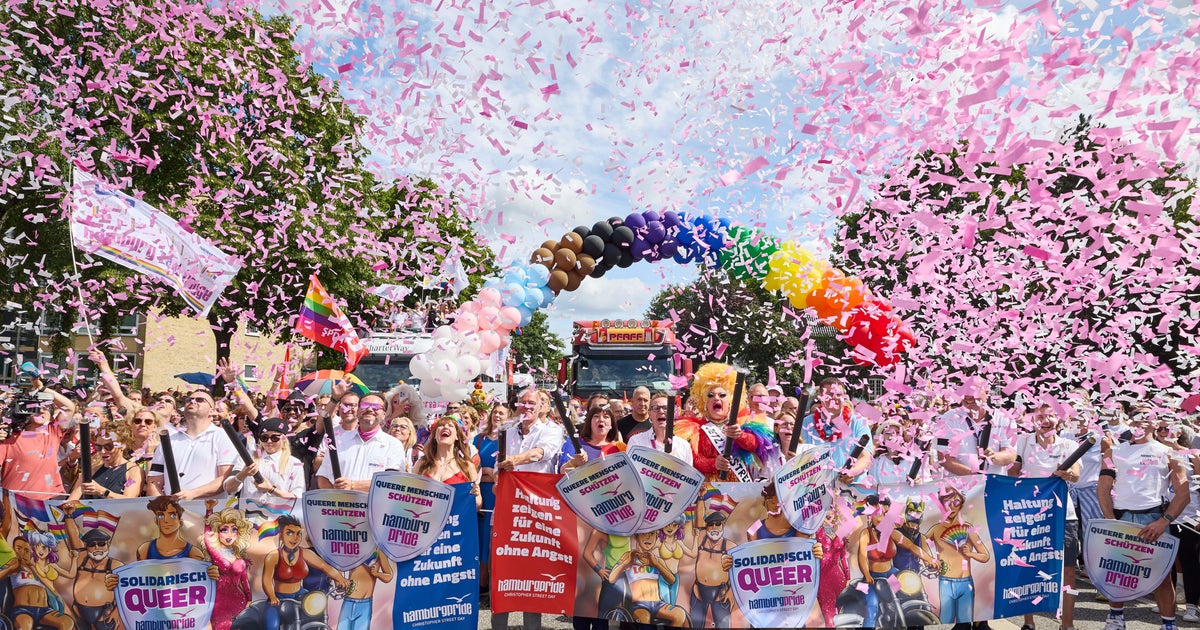
Berlin Pride attack prompts increased security at Hamburg and Amsterdam Pride events, which are expected to draw large crowds.
A man drove a car into a crowd of people celebrating Pride in Berlin, Germany. He then got out and hurt others with a machete. The police eventually caught him and he was killed. Now, other cities in Europe are being extra careful to keep people safe during their Pride celebrations.
Analysis
A Deadly Attack on Berlin Pride
The recent extremist attack on the Berlin Pride event has sent shockwaves across Europe, leaving one person dead and over two dozen injured. The attack, carried out by a 21-year-old German citizen with Lebanese roots, has raised concerns about the ongoing threat of extremism and the need for increased security measures at public events.
The attacker, Abdul Ballout, was known to have ties to ISIS and was about to be disqualified from a deradicalization program after staff saw red flags. Ballout's previous incidents with authorities and his hardcore ISIS sympathizer status on government lists make his actions all the more disturbing.
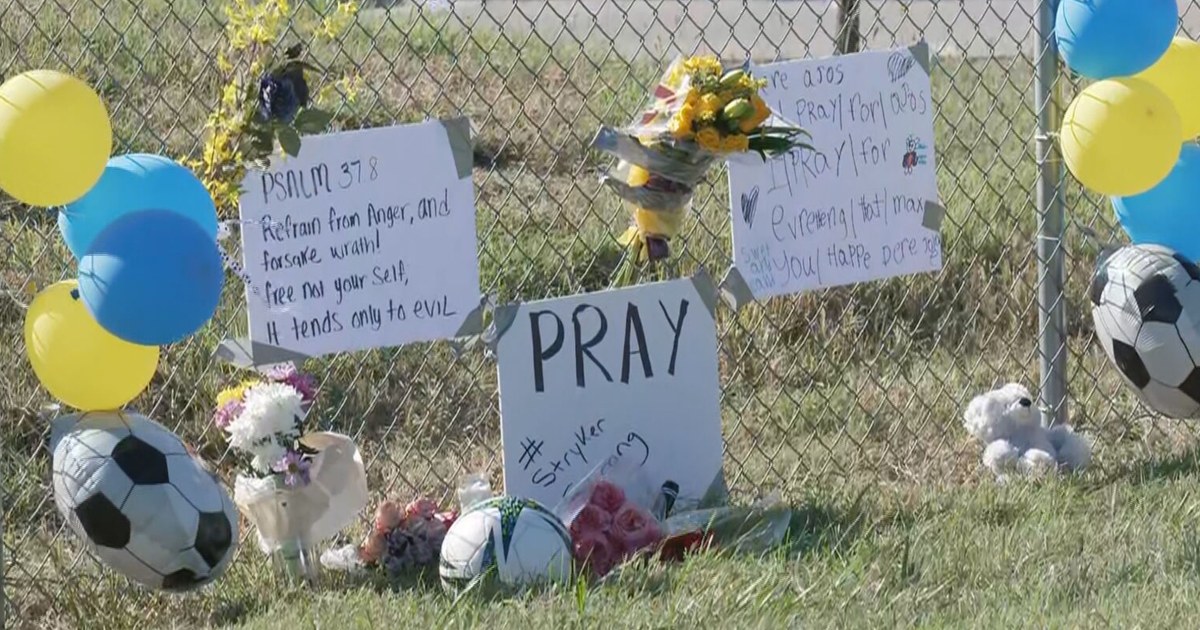
In the aftermath of the attack, hundreds of mourners gathered at a makeshift memorial near the site of the incident, paying tribute to the victims with candles, homemade signs, and rainbow flags. The outpouring of support and solidarity is a testament to the resilience and strength of the LGBTQ+ community.
Increased Security Measures
In response to the attack, Hamburg's police chief announced that roughly twice as many officers as last year would protect the city's Pride parade, one of Germany's largest. The event's motto this year is 'Queer in solidarity. Take a stand — for a future without fear.' Amid the trucks taking part in the parade is one representing the Berlin event, with people on the truck asked to wear dark clothing as a sign of respect for the victims.
Amsterdam is also hosting a canal boat parade on Saturday, which is the highlight of the city's annual Pride festival. Openly gay Dutch Prime Minister Rob Jetten waved to gigantic crowds as he sailed in a small boat through the colorfully decorated parade of 80 vessels. Techno music pumped from speakers along the route, and motorboats carrying police officers cruised the canals, while a helicopter hovered overhead.
A Celebration of Diversity and Inclusivity
The Pride events in Hamburg and Amsterdam are a celebration of diversity and inclusivity, bringing together people from all walks of life to promote acceptance and understanding. Despite the increased security measures, the events are expected to draw large crowds, with Hamburg's Pride parade expected to have about 250,000 attendees.
The attack on Berlin Pride serves as a reminder of the ongoing threat of extremism and the need for increased security measures at public events. However, it also highlights the resilience and strength of the LGBTQ+ community, which continues to celebrate and promote diversity and inclusivity in the face of adversity.
Key points
- A deadly attack on the Berlin Pride event has left one person dead and over two dozen injured.
- The attacker, Abdul Ballout, was known to have ties to ISIS and was about to be disqualified from a deradicalization program.
- Hamburg's police chief announced that roughly twice as many officers as last year would protect the city's Pride parade.
- Amsterdam is hosting a canal boat parade on Saturday, which is the highlight of the city's annual Pride festival.
- The Pride events in Hamburg and Amsterdam are a celebration of diversity and inclusivity, bringing together people from all walks of life.
The increased security measures and the outpouring of support and solidarity from the LGBTQ+ community are a testament to the resilience and strength of the community. The Pride events in Hamburg and Amsterdam are expected to draw large crowds, and the celebration of diversity and inclusivity will continue to promote acceptance and understanding.
The attack on Berlin Pride highlights the ongoing threat of extremism and the need for increased security measures at public events. The realistic downside risks or failure modes include the potential for further attacks or increased tensions between different groups.