Europe gas price hit a 3-year record high
European natural gas prices and Brent crude oil surged to multi-year highs following renewed US strikes against Iran, intensifying fears of a broader conflict and prolonged global inflation.
Intelligence analysis by Gemini 2.5 Flash

Escalating hostilities between the US and Iran, marked by recent US military actions, have triggered a significant increase in global energy prices, particularly natural gas in Europe and Brent crude, leading to renewed concerns about inflation and market instability worldwide.
Imagine two big countries, the US and Iran, are having a serious argument, and the US just hit Iran again. This makes people who buy and sell gas and oil for homes and cars very worried that there might be a bigger fight, especially because a super important sea lane for oil is right between them. Because of this worry, the price of gas and oil has gone up a lot, like when everyone rushes to buy the last toy in a store, making everything a bit more expensive for everyone.
Analysis
The recent surge in European natural gas prices, reaching their highest level since 2023 and surpassing €75/MWh, underscores the profound impact of geopolitical tensions on global energy markets. This spike, alongside Brent crude oil touching a five-week high of $97 a barrel, is directly attributed to renewed hostilities between the United States and Iran. The article highlights that a wave of US strikes against Iran, the second in recent days, has deepened investor fears regarding a potential return to full-blown conflict after a brief period of calm.
€75/MWh
The price of natural gas trading at the European TTF hub in the Netherlands broke above €75/MWh, marking its highest level since early 2023 and since the start of the war in February. This significant price movement reflects the market's immediate reaction to the perceived increase in supply risk and geopolitical instability. The European market, still sensitive to energy security concerns, is particularly vulnerable to disruptions or threats of disruption in key supply regions, making the US-Iran conflict a critical factor in price formation.
This price surge is not isolated, as Brent crude, the international oil benchmark, also saw a substantial increase, rising as much as 2.5 percent. While it later retreated slightly, the initial jump to over $97 a barrel demonstrates the acute sensitivity of oil markets to Middle Eastern tensions. The interconnectedness of global energy markets means that conflict in one region can quickly send ripple effects across continents, impacting consumers and industries far from the immediate conflict zone.
Strait of Hormuz
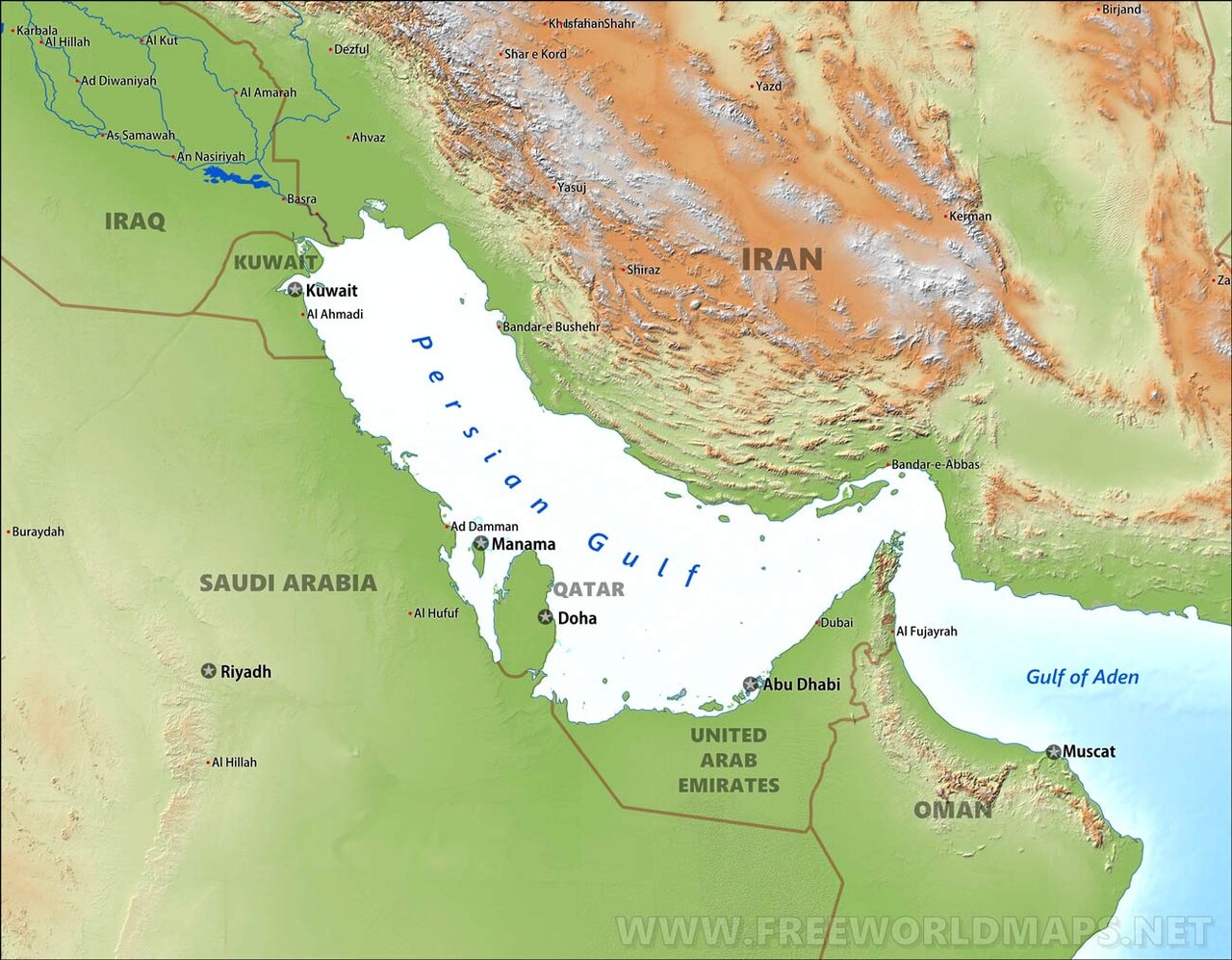
The underlying geopolitical tension centers on the US and Iran vying for control of the Strait of Hormuz, a critical waterway for global oil supplies. This strategic choke point is vital for the transit of a significant portion of the world's crude oil, making any threat to its stability a major concern for energy security. The perception of increased risk in this region directly translates into higher prices as traders factor in potential supply disruptions or blockades.
Control over the Strait of Hormuz has long been a flashpoint in US-Iran relations, with both nations asserting their interests in the area. The recent military actions and counter-actions intensify this rivalry, creating an environment of uncertainty that fuels market speculation and drives up commodity prices. The article implicitly suggests that as long as this contest for influence continues, the global energy market will remain volatile.
Mike Bell
Mike Bell, head of market strategy at RBC BlueBay Asset Management, articulated the prevailing sentiment among investors, stating that "The perception that this (conflict) is all going to be over by Christmas is fading fast." This observation underscores a shift in market psychology, moving away from hopes of a swift resolution towards an expectation of prolonged instability. This change in perception is a key driver behind the sustained upward pressure on energy prices and broader market jitters.
The article notes that the rise in oil and gas prices has continued to rattle global bond and stock markets, reigniting concerns about a period of prolonged inflation. The yield on the 10-year US Treasury rose to its highest level since 2023, and the 10-year German Bund yield also increased, pushing borrowing costs to their highest since 2011. These movements indicate that investors are bracing for a potentially inflationary environment, driven by higher energy costs and the broader economic uncertainty stemming from the US-Iran conflict.
Key points
- European natural gas prices reached their highest level since 2023, exceeding €75/MWh.
- Brent crude oil touched a five-week high of $97 a barrel before settling at $95.
- The price surges followed recent US strikes against Iran, deepening fears of conflict escalation.
- The US and Iran are vying for control of the Strait of Hormuz, a critical oil supply route.
- Rising energy prices are fueling concerns about prolonged global inflation and rattling global bond and stock markets.
The renewed hostilities between the US and Iran could escalate into a full-blown conflict, severely disrupting global oil supplies through the Strait of Hormuz and leading to even higher energy prices. This would likely trigger prolonged global inflation, further rattling bond and stock markets and potentially hindering economic growth worldwide.
Market signals
- Natural Gas European natural gas prices surged to a three-year high following renewed US-Iran hostilities, directly impacting supply fears.
- OIL Brent crude oil prices rose to a five-week high due to fears of escalating conflict between the US and Iran affecting oil supplies through the Strait of Hormuz.
- 10-year US Treasury yield The yield on the 10-year US Treasury rose to its highest level since 2023 amid concerns over prolonged inflation driven by higher energy prices.
- 10-year German Bund yield The 10-year German Bund yield increased, keeping borrowing costs at their highest since 2011, reflecting inflation fears stemming from energy price surges.
AI-generated analysis of potential market relevance. Not financial advice.