Persian Gulf equilibrium: The fracturing of US hegemony
Iran's economy is forecast to contract by 6.1% this year due to US sanctions, while Qatar's is projected to shrink by 8.6%. Iran's strikes on Qatar's LNG complex and closure of the Strait of Hormuz have weakened US influence in the region.
Intelligence analysis by Qwen 2.5 (3B)
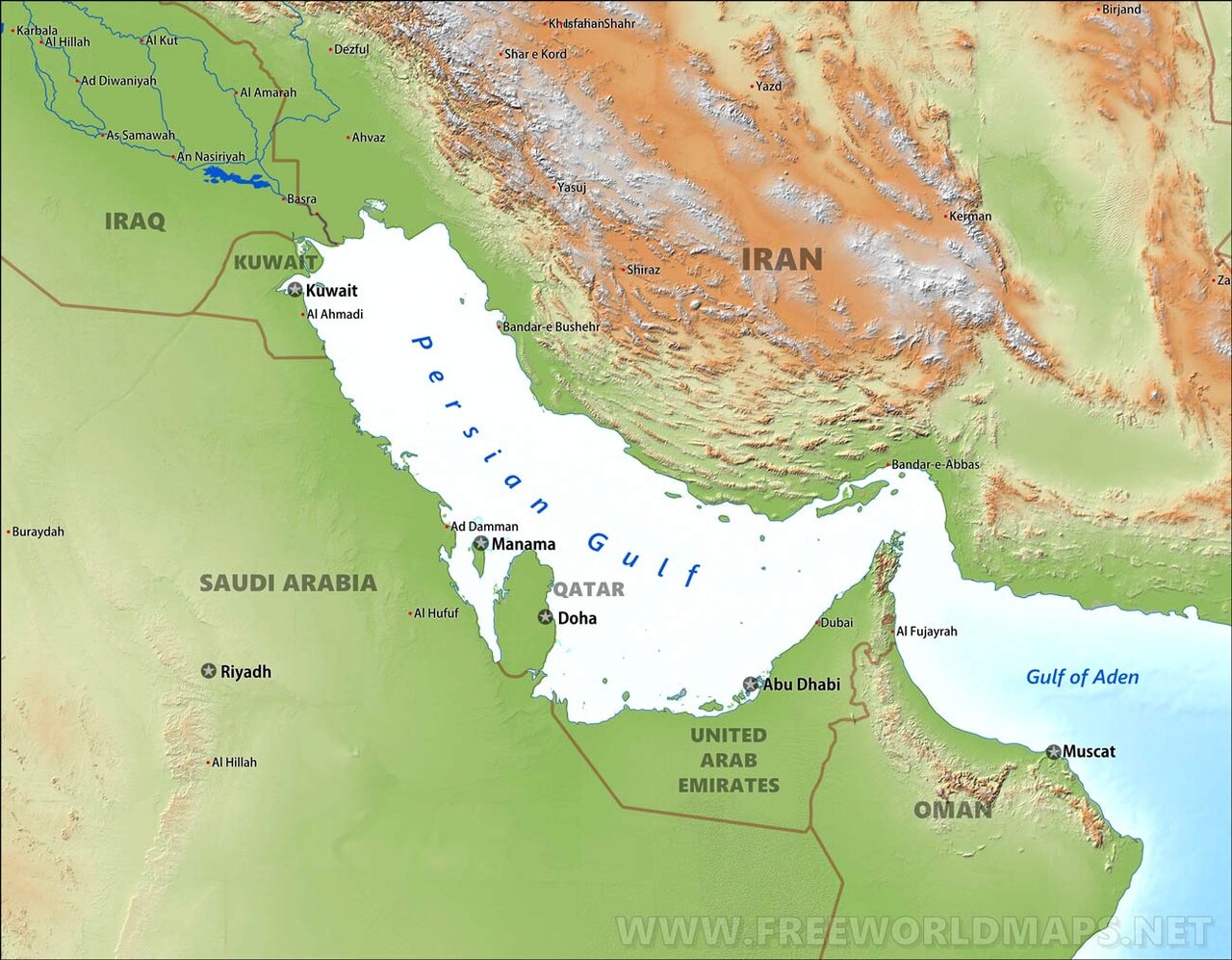
Iran's resilience in the face of US sanctions and military pressure is weakening US hegemony in the Persian Gulf, leading to a shift in regional power dynamics.
Iran is using its power to weaken the US in the Persian Gulf. They've damaged Qatar's gas plant and closed a key shipping route, making it harder for the US to protect its allies. This is making the US look weak and is causing its allies to look for other options.
Analysis
{"heading_1":"Impact on US Military Installations","paragraph_1":"Persian Gulf Arab monarchies, including Saudi Arabia, have initiated back-channel communications with Iran, reflecting a calculus that the US security umbrella no longer functions.","paragraph_2":"These states are now considering a homegrown regional order as the sole viable alternative to US protection.","paragraph_3":"Iran has exploited this asymmetry by deploying inexpensive, mass-produced drones, forcing the US to expend million-dollar interceptors per engagement, exhausting American defensive resources.","heading_2":"Strategic Factors","heading_3":"Back-Channel Communications"}
Key points
- Iran's strikes on Qatar's LNG complex and closure of the Strait of Hormuz have weakened US influence in the region.
- US military assets, including Patriot and THAAD systems, have been depleted to critically low levels.
- Arab monarchies are considering a homegrown regional order as the sole viable alternative to US protection.
Iran's resilience could lead to a more balanced power structure in the Persian Gulf, with Arab monarchies considering a regional order independent of US protection.
If the US continues to struggle, it could lead to a power vacuum or even conflict in the region as countries seek to fill the power gap left by the US.


