EVs and hybrids approach half of Australian new car sales amid ongoing fuel crisis
Australians bought electric and hybrid vehicles at the same rate as traditional petrol-powered cars between April and June, according to new data. The market share of EVs (21.03%) and plug-in hybrids (10.58%) were both records.
Intelligence analysis by Llama
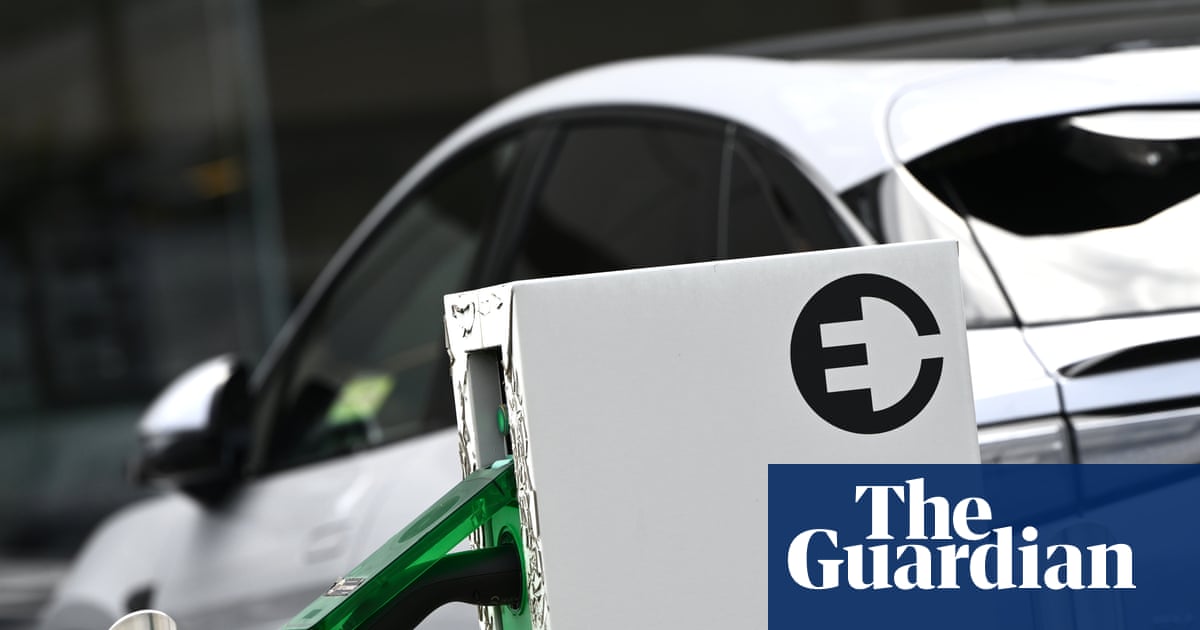
Australians are now buying electric and hybrid vehicles at the same rate as traditional petrol-powered cars, with EV sales doubling in the months after the peak of the fuel price spike. Fuel prices are again on track to top $2 a litre.
Australians are now buying electric and hybrid cars at the same rate as traditional petrol-powered cars. This is because fuel prices are high, and people are looking for alternative energy sources. It's like when you're trying to save money on your electricity bill, and you start using more energy-efficient light bulbs.
Analysis
A New Trajectory for Australian Car Sales
The latest data from the Australian Automobile Association (AAA) shows a significant shift in the market share of new car sales. Between April and June, electric vehicles (EVs) and plug-in hybrids accounted for nearly half of all sales, with a market share of 21.03% and 10.58% respectively. This is a record high for both categories, and a clear indication that Australians are increasingly turning to alternative energy sources.
The AAA's figures show that sales of battery electric vehicles more than doubled in the second quarter of 2026, up from 34,435 in the first three months to 69,414 between April and June. This is the largest-ever quarterly rise for electric vehicles, and a clear indication that the market is shifting towards more sustainable options.
The shift towards electric and hybrid vehicles is significant, especially in the context of the ongoing fuel crisis. Fuel prices peaked in March, amid instability in the Middle East that affected key supply routes. The federal government intervened on 30 March, announcing a fuel excise reduction that has provided some relief at the bowser. However, fuel prices are again on track to top $2 a litre, as the federal government's fuel excise reductions come to an end on Sunday.
The AAA's data highlights the growing demand for alternative energy sources, and the need for governments to adapt to this change. As the world continues to grapple with the challenges of climate change, the shift towards electric and hybrid vehicles is a positive step towards a more sustainable future.
Key points
- Australians bought electric and hybrid vehicles at the same rate as traditional petrol-powered cars between April and June.
- The market share of EVs (21.03%) and plug-in hybrids (10.58%) were both records.
- Sales of battery electric vehicles more than doubled in the second quarter of 2026.
- Fuel prices are again on track to top $2 a litre as the federal government's fuel excise reductions come to an end on Sunday.
If this trend continues, it could lead to a significant reduction in greenhouse gas emissions and a decrease in Australia's reliance on foreign fuel. This could also lead to the creation of new jobs and industries related to the production and maintenance of electric vehicles.
However, there are also potential downsides to this shift. For example, the increased demand for electric vehicles could lead to supply chain disruptions and higher prices for consumers. Additionally, the shift away from traditional petrol-powered cars could lead to job losses in the automotive industry.