We are not lonely: Solitude as a new aspirational lifestyle
A growing number of women on social media are sharing their daily routines of living alone, prioritizing peace and solitude. They aim to destigmatize loneliness and show that being alone doesn't mean being lonely. Their content has sparked both curiosity and backlash, wit…
Intelligence analysis by Llama
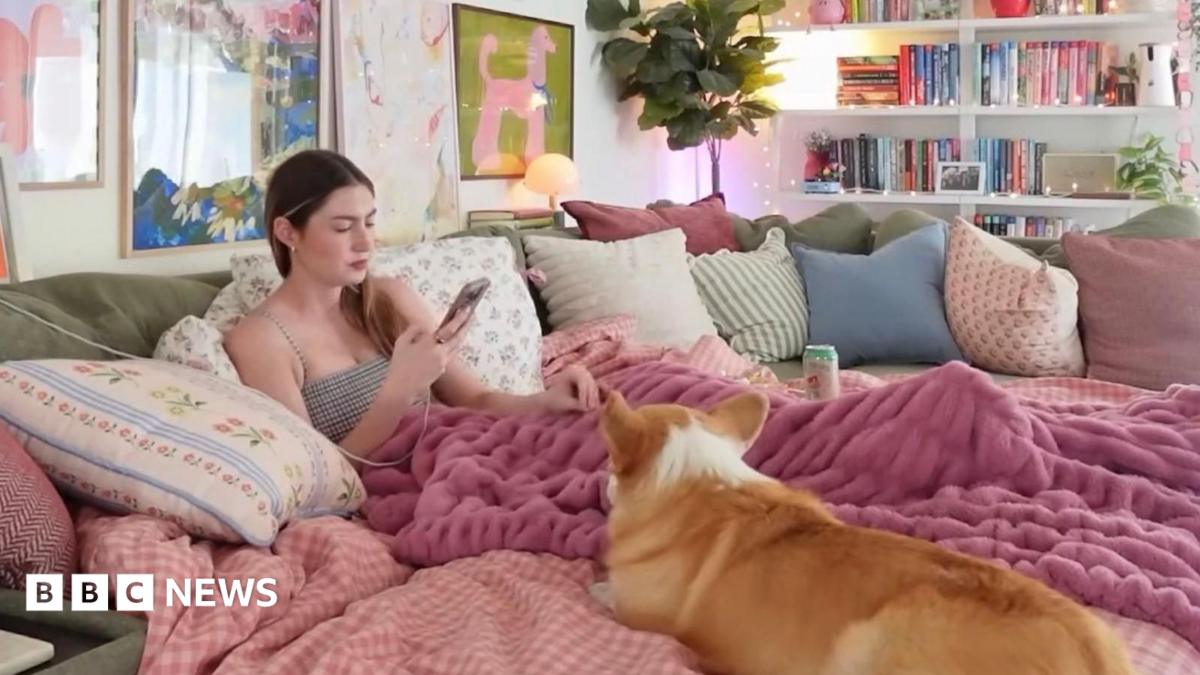
Women on social media are sharing their lives of solitude, challenging the stigma surrounding loneliness. They aim to show that being alone doesn't mean being lonely, and that their content is about prioritizing peace and independence.
Some women on social media are sharing their lives of being alone, but not being lonely. They're showing that it's okay to be by yourself and that it can be a positive choice. They're also highlighting the importance of self-care and self-empowerment.
Analysis
A New Aspirational Lifestyle: Solitude as a Choice
The rise of social media has given voice to a growing number of women who are choosing to prioritize solitude and independence. They are sharing their daily routines, from cooking and lounging at home to taking solo trips and attending parties alone. Their content has sparked both curiosity and backlash, with some accusing them of romanticizing self-isolation.
For these women, living alone is not about being lonely, but about finding peace and freedom. They are challenging the stigma surrounding loneliness and showing that it's possible to be happy and fulfilled without being surrounded by others. Their message is one of self-empowerment and self-care, encouraging others to prioritize their own needs and desires.
The Stigma of Loneliness
The stigma surrounding loneliness is a complex issue. Many people view being alone as a sign of weakness or a symptom of mental illness. However, these women are challenging this narrative and showing that being alone can be a positive choice. They are highlighting the importance of self-care and self-empowerment, and encouraging others to prioritize their own needs and desires.
The Importance of Social Connection
While these women are challenging the stigma surrounding loneliness, it's also important to acknowledge the importance of social connection. Humans are social creatures, and we need companionship and relationships to thrive. However, the way we approach social connection is changing. With the rise of social media, it's possible to connect with others from all over the world, but it's also easy to get caught up in the idea that we need to be constantly connected.
The Future of Solitude
As more women share their lives of solitude on social media, it's likely that the stigma surrounding loneliness will continue to decrease. These women are showing that being alone doesn't mean being lonely, and that it's possible to be happy and fulfilled without being surrounded by others. Their message is one of self-empowerment and self-care, and it's one that is resonating with many people.
Conclusion
The rise of social media has given voice to a growing number of women who are choosing to prioritize solitude and independence. They are challenging the stigma surrounding loneliness and showing that being alone doesn't mean being lonely. Their message is one of self-empowerment and self-care, and it's one that is resonating with many people.
Key points
- Women on social media are sharing their lives of solitude, challenging the stigma surrounding loneliness.
- They are highlighting the importance of self-care and self-empowerment.
- The trend is sparking both curiosity and backlash, with some accusing them of romanticizing self-isolation.
- The stigma surrounding loneliness is complex and multifaceted.
- Humans need social connection to thrive, but the way we approach social connection is changing.
If this trend continues, it could lead to a greater understanding and acceptance of solitude as a positive choice. People may start to prioritize their own needs and desires, and self-care may become more mainstream. This could also lead to a decrease in the stigma surrounding loneliness and a greater emphasis on mental health.
If the trend of romanticizing self-isolation continues, it could lead to a decrease in social connections and an increase in feelings of loneliness. People may start to rely too heavily on social media for companionship, which could have negative effects on mental and physical health.