Ex-Southern Water boss to face trial over allegedly manipulating sewage testing
The former chief executive of Southern Water is being prosecuted for conspiracy to defraud along with three other former employees, over allegations they manipulated sewage wastewater testing results to avoid tens of millions of pounds in fines.
Intelligence analysis by Llama
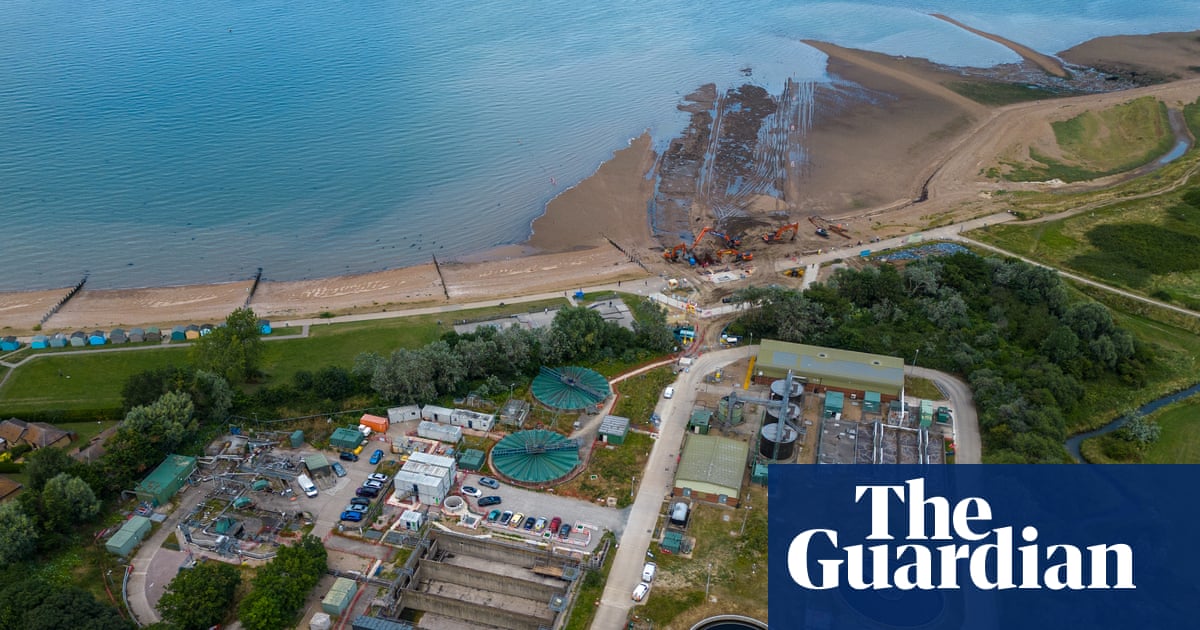
The former chief executive of Southern Water, Matthew Wright, and three other former employees are being prosecuted for conspiracy to defraud over allegations they manipulated sewage wastewater testing results to avoid tens of millions of pounds in fines. The case focuses on operator self-monitoring, which was introduced to cut regulatory costs in 2009.
Imagine you're in charge of making sure the water you release into the ocean is clean. But instead of doing the right thing, you cheat and make it look like the water is cleaner than it really is. That's what the former boss of Southern Water and some of his friends are accused of doing. They're in big trouble now because the government is taking them to court.
Analysis
A Watershed Moment for Southern Water
The prosecution of Matthew Wright, the former chief executive of Southern Water, marks a significant turning point in the company's history. Wright and three other former employees are charged with conspiracy to defraud the Environment Agency and the water regulator, Ofwat, between 2012 and 2017. The allegations center around the manipulation of sewage wastewater testing results to avoid tens of millions of pounds in fines.
The case highlights the importance of ensuring the independence and accuracy of sewage testing results to protect the environment and public health. Operator self-monitoring, which was introduced to cut regulatory costs in 2009, has been criticized for allowing water companies to manipulate testing results. The Environment Agency's prosecution sends a strong message that such practices will not be tolerated.
The Consequences of Manipulation
The alleged manipulation of sewage testing results has serious consequences for the environment and public health. The Environment Agency estimates that the scheme allowed Southern Water to avoid penalties of about £45m. However, the regulator's assessment puts the figure higher. The case raises questions about the effectiveness of current regulations and the need for greater transparency and accountability in the water industry.
A New Era for Water Regulation
The prosecution of Southern Water and its former employees marks a new era for water regulation in the UK. The Environment Agency's tough stance on environmental crimes sends a strong message that companies will be held accountable for their actions. The case also highlights the need for greater transparency and accountability in the water industry, including the use of independent regulators and robust testing procedures.
Key points
- The former chief executive of Southern Water is being prosecuted for conspiracy to defraud along with three other former employees.
- The allegations center around the manipulation of sewage wastewater testing results to avoid tens of millions of pounds in fines.
- The case highlights the importance of ensuring the independence and accuracy of sewage testing results to protect the environment and public health.
- The Environment Agency's prosecution sends a strong message that such practices will not be tolerated.
- The case raises questions about the effectiveness of current regulations and the need for greater transparency and accountability in the water industry.
The prosecution of Southern Water and its former employees sends a strong message that environmental crimes will not be tolerated. This could lead to greater transparency and accountability in the water industry, ultimately protecting the environment and public health.
The case highlights the need for greater regulation and oversight in the water industry. If left unchecked, similar practices could continue to harm the environment and public health.