Existing care workers could be exempt from UK’s tough new immigration rules
UK Prime Minister Andy Burnham is considering exempting hundreds of thousands of care workers from home secretary Shabana Mahmood's plans to tighten settled status rules, as he prepares a major speech on social care reform.
Intelligence analysis by Llama
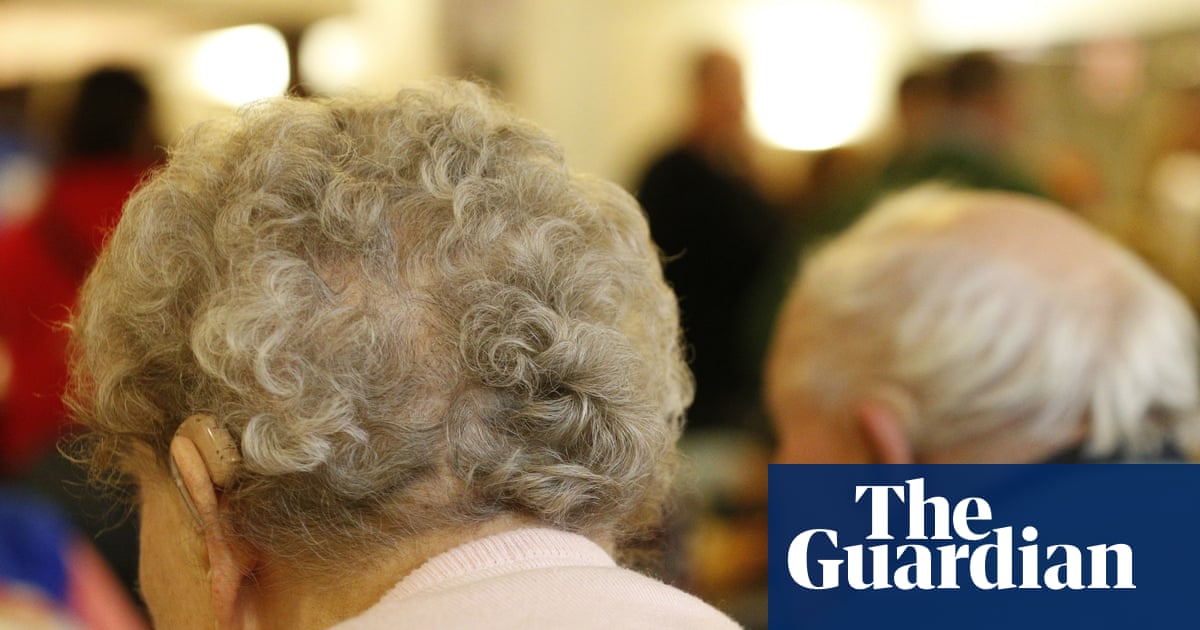
PM Andy Burnham is weighing exemptions to tougher immigration rules for care workers already in the UK, while preparing a personal speech on social care reform ahead of the next election. The move would soften home secretary Shabana Mahmood's plan to double the qualifying period for settled status.
Imagine a big team of helpers who look after older people in the UK. The government wants to make it harder for people from other countries to stay forever, but if those helpers have to leave, there won't be enough people to care for grandma. So the prime minister is thinking: let the ones already here stay, and just be stricter with new ones coming in.
Analysis
A Care System He Cannot Walk Away From
Andy Burnham's return to the social care brief is unusually personal, and the article makes clear this is not just another Whitehall reform project. The prime minister has been open about his father Roy's Alzheimer's diagnosis, and he uses that lens to frame the sector as broken in a way that ministers have "shrank from" for years. His attempt to reform the system as health secretary more than 15 years ago failed, and his second coming to the file carries the weight of unfinished business. That biographical framing matters because it signals he is willing to absorb political pain to push changes through before the next general election, including reviving funding debates that were toxic when first proposed.
The political backdrop is a familiar one. Burnham's earlier proposal to replace inheritance tax with a 10% levy on estates was savaged by the Conservatives as a "death tax" and shelved. The Guardian's sources say he is leaving the door open to new levies as part of Louise Casey's review, but the lesson from that earlier episode is that any funding route that looks like a new tax will be fought hard by opponents. Sector experts quoted in the piece are already calling the prime minister's hope of seeing Casey's final report by year-end "overambitious," which suggests the policy timeline is at risk of slipping even before it begins.
The Immigration Trade-Off Mahmood Did Not Want
The most concrete policy move under consideration is a carve-out from home secretary Shabana Mahmood's plan to double the qualifying period for indefinite leave to remain. Mahmood has said exemptions are possible, and the social care sector is the obvious place to draw the line. The Home Office has issued roughly 200,000 health and care worker visas over the last five years, with dependants on top, meaning a sweeping ILR crackdown would hit the care workforce harder than almost any other sector. Unison's Andrea Egan is quoted warning that vulnerable people will not get the help they need unless ministers focus on recruitment and retention rather than pushing migrant workers out.
The proposed compromise, exempting those already in the country while applying the new rules to future entrants, is politically clever. It preserves the headline toughness of Mahmood's policy while protecting the existing pipeline of staff that councils and care homes say they cannot function without. The article notes the exemption is unlikely to feature in next week's speech, with the Home Office still digesting consultation responses, which leaves room for a messy intra-governmental fight before anything is finalised.
Short-Term Fixes and a Long-Term Bill
While the immigration question simmers, Burnham is preparing a package of immediate measures, including possible top-ups to the £9bn Better Care Fund, the ringfenced pot meant to ease NHS pressure by investing in social care. One option under discussion is funding free short-term post-hospital care to prevent readmissions, a small but tangible improvement that could be announced without waiting for Casey's review. The longer-term question, how to pay for a National Care Service, is where the political risk concentrates.
Casey's interim findings are already pointed. She has described a "moment of reckoning" and has been openly critical of the way dementia and Alzheimer's patients are caught between the NHS and a means-tested social care system that kicks in once assets exceed £23,250. Smoothing that fault line is described as central to her work, but the funding mechanism remains unresolved. The article's framing, that any new levy will need to survive a public conversation Casey is launching within two weeks, suggests the eventual answer will be a political fight as much as a policy one.
Key points
- PM Andy Burnham is considering exempting care workers already in the UK from home secretary Shabana Mahmood's plan to double the qualifying period for settled status.
- The Home Office has issued roughly 200,000 health and care worker visas over the past five years, making the sector especially exposed to ILR changes.
- The exemption is unlikely to appear in Burnham's speech next week but could follow later in the year after the Home Office reviews consultation responses.
- Louise Casey's review of the social care sector, originally due in 2028, may be accelerated, though sector experts call a year-end publication 'overambitious.'
- Short-term fixes under consideration include increasing the £9bn Better Care Fund and funding free post-hospital care to reduce NHS readmissions.
If Burnham secures a care worker exemption alongside top-ups to the Better Care Fund, the social care sector could stabilise in the short term, reducing hospital readmissions and easing pressure on the NHS. Casey’s accelerated review also offers a credible path to a properly funded National Care Service before the next election.
A watered-down exemption that protects current workers but imposes harsher rules on new entrants could shrink the future pipeline of carers, worsening staffing shortages once today’s workforce retires or leaves. The funding question remains unresolved, and any new levy to pay for reform risks repeating the political collapse of the earlier "death tax" proposal.