Experimental camera-based ERP system records 97.2% average accuracy
An experimental camera-based ERP system in Singapore recorded a 97.2% average accuracy in recognising vehicle licence plates over two years. The system was tested on 403 motorists with 63 cameras, showing 99.2% accuracy in sunny conditions and 91% in rainy nights.
Intelligence analysis by Llama
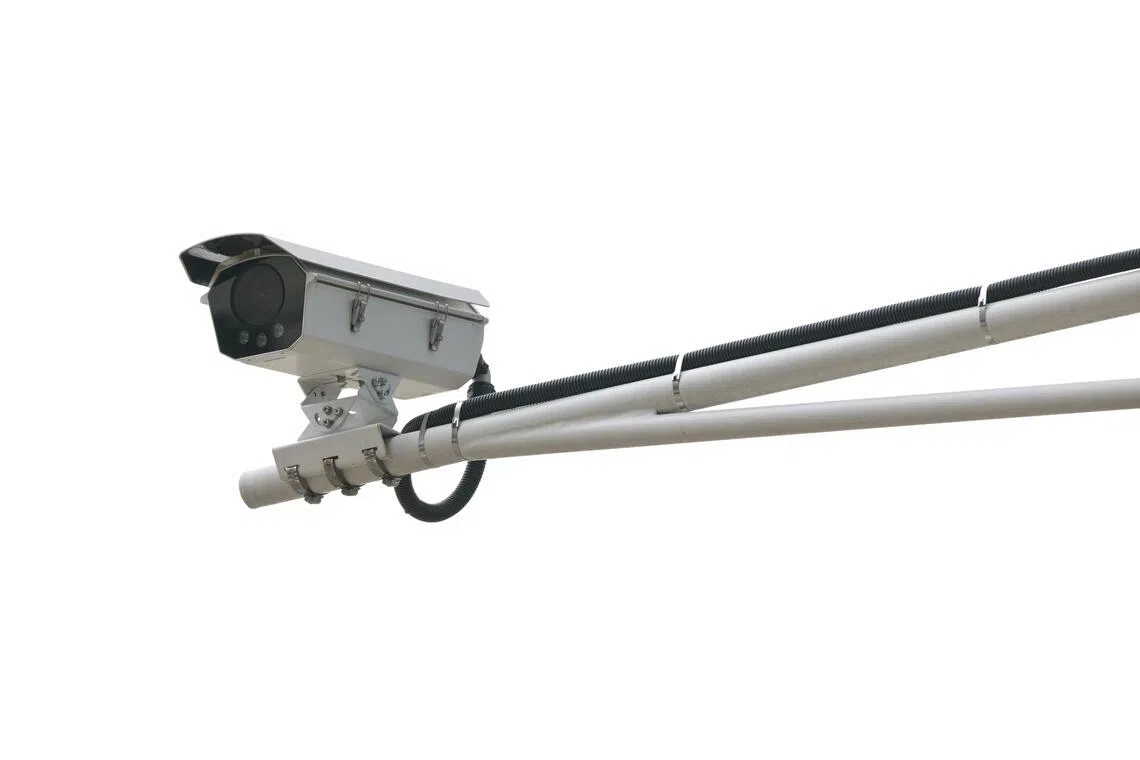
An experimental camera-based ERP system in Singapore has achieved a 97.2% average accuracy in recognising vehicle licence plates. The system was tested on 403 motorists with 63 cameras, showing varying accuracy in different weather conditions.
Imagine a system that uses cameras to take pictures of your car's licence plate and charge you for road tolls through your phone. This system is like a robot that can take pictures of your licence plate and send you a bill. It's like a self-driving car that can take pictures of your licence plate and charge you for road tolls.
Analysis
Accuracy and Limitations
The experimental camera-based ERP system recorded a 97.2% average accuracy in recognising vehicle licence plates over two years. However, the accuracy varied depending on the weather conditions, with 99.2% accuracy in sunny conditions and 91% in rainy nights. The system's accuracy was also affected by licence plates being blocked due to steeper camera angles and the proximity of surrounding vehicles during heavy traffic conditions. Additionally, some licence plates were more likely to be obscured by heavy rain.
Cost and Implementation
The two-year experiment cost around $4.4 million, with an estimated cost of $2.7 million to replace the 22 ERP gantry sites with the camera-based system and $2.2 million annually to run it. The system was tested on 403 motorists with 63 cameras, and the results were shared with the Ministry of Transport and Land Transport Authority for future road pricing technology considerations.
Future Implications
The experimental camera-based ERP system's high accuracy rate suggests that it could be a viable alternative to the existing satellite-based electronic road pricing system. This could have implications for the future of road pricing technology in Singapore. The system's ability to accurately recognise vehicle licence plates in different weather conditions makes it a promising solution for future road pricing needs. However, the system's limitations, such as licence plates being blocked due to steeper camera angles and the proximity of surrounding vehicles during heavy traffic conditions, need to be addressed in future implementations.
Key points
- The experimental camera-based ERP system recorded a 97.2% average accuracy in recognising vehicle licence plates over two years.
- The system was tested on 403 motorists with 63 cameras, showing varying accuracy in different weather conditions.
- The system's accuracy was affected by licence plates being blocked due to steeper camera angles and the proximity of surrounding vehicles during heavy traffic conditions.
- The system's limitations need to be addressed in future implementations to ensure accurate charges and public trust.
If the experimental camera-based ERP system is implemented, it could lead to more efficient and accurate road pricing. This could result in reduced congestion and improved traffic flow. Additionally, the system's ability to accurately recognise vehicle licence plates in different weather conditions makes it a promising solution for future road pricing needs.
However, the system's limitations, such as licence plates being blocked due to steeper camera angles and the proximity of surrounding vehicles during heavy traffic conditions, need to be addressed in future implementations. If these limitations are not addressed, it could lead to inaccurate charges and reduced public trust in the system.