US Senate panel votes to hold Fauci in contempt of Congress
A US Senate committee voted to hold Dr. Anthony Fauci in contempt of Congress after he refused to answer questions about his handling of the COVID-19 pandemic. Fauci invoked the Fifth Amendment more than 100 times during a hearing last week.
Intelligence analysis by Llama
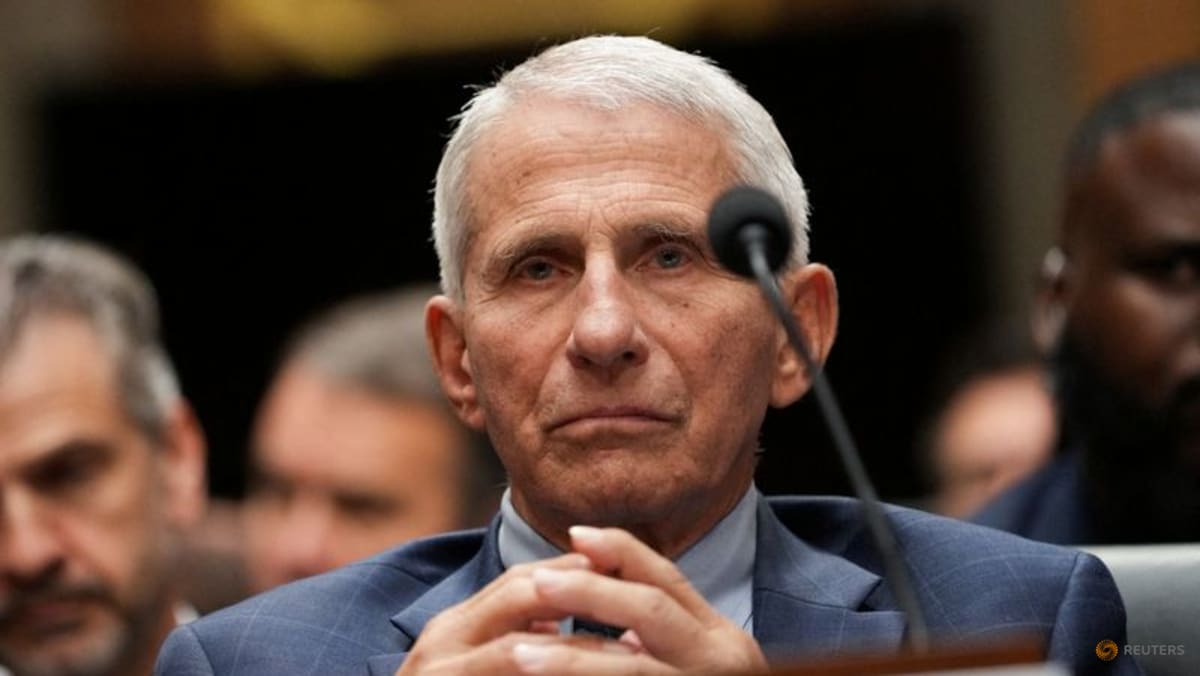
A US Senate committee voted to hold Dr. Anthony Fauci in contempt of Congress after he refused to answer questions about his handling of the COVID-19 pandemic. Fauci invoked the Fifth Amendment more than 100 times during a hearing last week. The vote is the sharpest escalation yet in a broad Republican and Trump administration campaign to re-litigate the pandemic and hold accountable …
Imagine you're in a big classroom, and the teacher, Dr. Fauci, is trying to keep everyone safe from a bad guy, the coronavirus. But some people in the classroom, like Senator Rand Paul, don't agree with the teacher's plan to keep everyone safe. They think the teacher is being too strict and should be punished. But the teacher has done nothing wrong, and the students in the classroom are still safe. That's kind of what's happening with Dr. Fauci and the US Senate.
Analysis
The Escalating Controversy Over Dr. Fauci's Handling of the Pandemic
The vote to hold Dr. Fauci in contempt of Congress is the latest development in a long-standing controversy surrounding his handling of the COVID-19 pandemic. Dr. Fauci, who led the National Institute of Allergy and Infectious Diseases for 38 years, became the face of the US pandemic response and a primary target of anger over measures taken against the virus that killed more than 1.1 million Americans.
President Donald Trump and many conservatives criticized Dr. Fauci over lockdowns, mask and social-distancing guidance, and his promotion of vaccines, which became heavily politicized despite being shown safe and effective. Dr. Fauci and public health officials worldwide backed the measures based on scientific evidence available at the time.
The controversy surrounding Dr. Fauci's handling of the pandemic has been ongoing for years, with many Republicans and conservatives calling for his prosecution and imprisonment. However, Dr. Fauci has committed no crime, and his pardon by former President Joe Biden in January 2025 has protected him against 'unjustified and politically motivated prosecutions' related to COVID or his role in the response.
The vote to hold Dr. Fauci in contempt of Congress is a continuation of this controversy, with Senator Rand Paul of Kentucky, a longtime Fauci antagonist, pursuing a years-long investigation to try to prove his and other Republicans' conviction that Dr. Fauci orchestrated a cover-up of the coronavirus' origins.
The implications of this vote are significant, as it highlights the ongoing politicization of the pandemic and the ongoing controversy surrounding Dr. Fauci's handling of it. It also raises questions about the role of politics in the US response to the pandemic and the accountability of officials who ran the response.
The Role of Politics in the US Response to the Pandemic
The vote to hold Dr. Fauci in contempt of Congress is a stark reminder of the ongoing politicization of the pandemic. The controversy surrounding Dr. Fauci's handling of the pandemic has been fueled by politics, with many Republicans and conservatives using it as a way to attack the Biden administration and the public health officials who worked under him.
The politicization of the pandemic has had significant implications for the US response to the virus. It has led to a lack of trust in public health officials and a decrease in confidence in the government's ability to respond to the pandemic. It has also led to a lack of coordination and cooperation between different levels of government and between different agencies.
The vote to hold Dr. Fauci in contempt of Congress is a continuation of this politicization, and it raises questions about the role of politics in the US response to the pandemic. It also highlights the need for greater accountability and transparency in the government's response to the pandemic.
The Implications of the Vote
The vote to hold Dr. Fauci in contempt of Congress has significant implications for the ongoing controversy surrounding his handling of the pandemic. It highlights the ongoing politicization of the pandemic and the ongoing controversy surrounding Dr. Fauci's handling of it.
The implications of the vote are also significant for the US response to the pandemic. It raises questions about the role of politics in the response and the accountability of officials who ran the response. It also highlights the need for greater coordination and cooperation between different levels of government and between different agencies.
The vote to hold Dr. Fauci in contempt of Congress is a stark reminder of the ongoing controversy surrounding his handling of the pandemic. It highlights the need for greater accountability and transparency in the government's response to the pandemic and raises questions about the role of politics in the US response to the pandemic.
Key points
- A US Senate committee voted to hold Dr. Anthony Fauci in contempt of Congress after he refused to answer questions about his handling of the COVID-19 pandemic.
- Dr. Fauci invoked the Fifth Amendment more than 100 times during a hearing last week.
- The vote is the sharpest escalation yet in a broad Republican and Trump administration campaign to re-litigate the pandemic and hold accountable the officials who ran the US response.
- Dr. Fauci has committed no crime, and his pardon by former President Joe Biden in January 2025 has protected him against 'unjustified and politically motivated prosecutions' related to COVID or his role in the response.
- The vote to hold Dr. Fauci in contempt of Congress is a continuation of the controversy surrounding his handling of the pandemic and raises questions about the role of politics in the US response to the pandemic.
The vote to hold Dr. Fauci in contempt of Congress may lead to a more transparent and accountable government response to the pandemic. It could also lead to a greater understanding of the role of politics in the US response to the pandemic and the need for greater coordination and cooperation between different levels of government and between different agencies.
The vote to hold Dr. Fauci in contempt of Congress may lead to further politicization of the pandemic and a decrease in trust in public health officials. It could also lead to a lack of coordination and cooperation between different levels of government and between different agencies, making it harder to respond to the pandemic effectively.