F1 driver Valtteri Bottas cycles 420km from KL to S’pore, approaches Marina Bay circuit
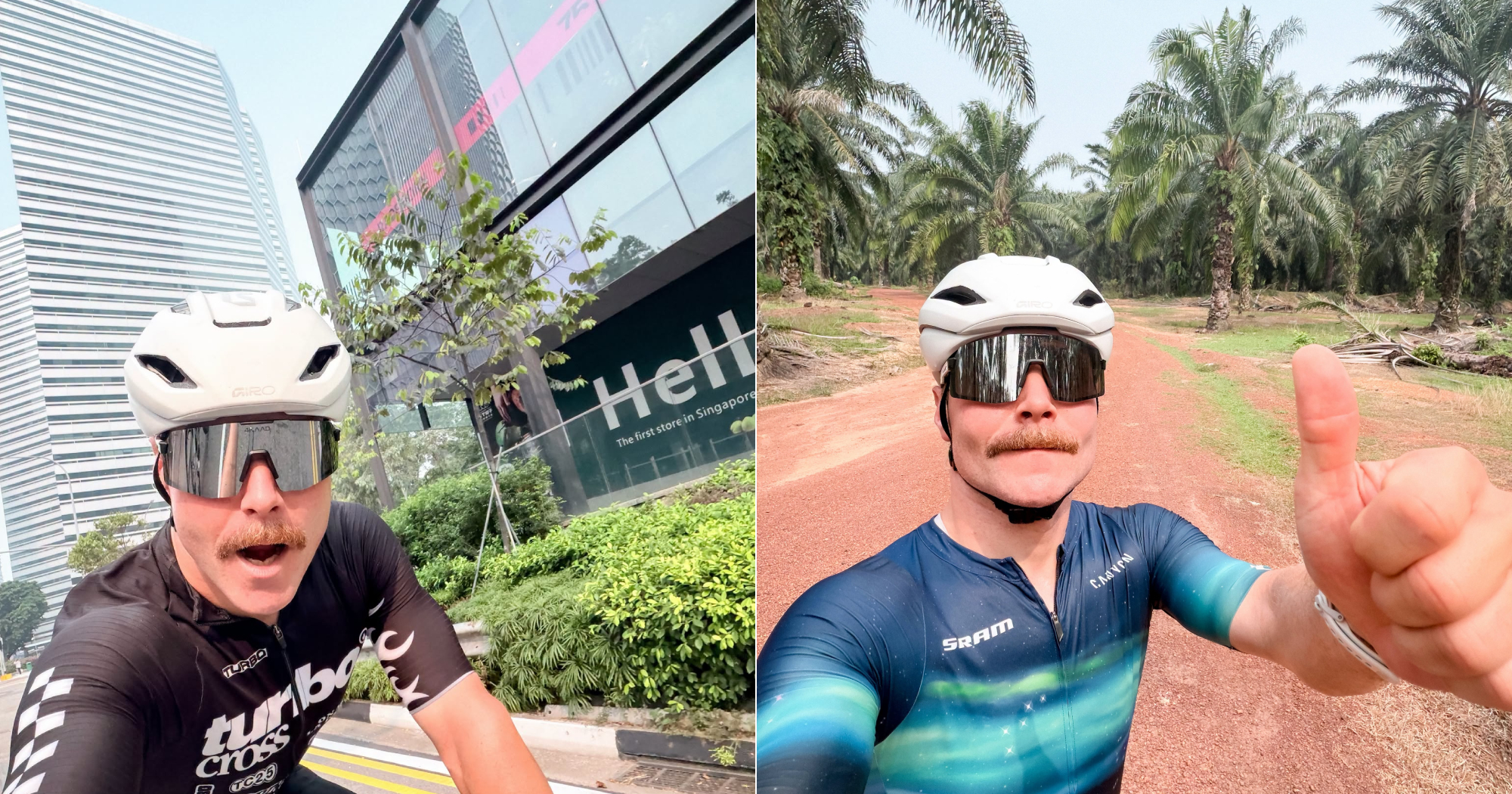
Formula 1 driver Valtteri Bottas completed a 420km cycling journey from Kuala Lumpur to Singapore over four days, arriving on Oct. 7, in time for media commitments for the Singapore Grand Prix.
Intelligence analysis by Gemini 2.5 Flash Lite
Formula 1 driver Valtteri Bottas has undertaken an impressive 420km cycling journey from Kuala Lumpur to Singapore, arriving just in time for the Singapore Grand Prix. The Finnish driver documented his four-day trip on social media, showcasing his dedication and engaging with fans along the way.
Imagine a race car driver who loves to bike! Valtteri Bottas rode his bicycle all the way from Malaysia to Singapore, like a super long bike trip. He pedaled for four days, covering as much distance as many people drive in a week, to get to the big car race in Singapore.
Analysis
Valtteri Bottas's Journey
Formula 1 driver Valtteri Bottas, known for his prowess on the race track, recently completed a remarkable 420km cycling expedition from Kuala Lumpur, Malaysia, to Singapore. This arduous journey, undertaken over four days, saw the Finnish driver traverse diverse terrains on his gravel race bicycle, arriving in Singapore on October 7th, just in time for the commencement of media commitments for the Singapore Airlines Singapore Grand Prix. Bottas, aged 37, actively shared his progress and experiences on social media platforms, providing his followers with regular updates throughout his ride. This personal endeavor not only showcased his physical endurance but also served as a unique way to engage with the region and its culture, as evidenced by his posts featuring local delicacies like chicken rice balls and satay while still in Malaysia.
Daily Distances Covered
The meticulous planning and execution of Bottas's cycling trip were evident in the daily mileage he covered. On October 4th, he began with a respectable 56.6km ride, completing it in just over two hours. The following day, October 5th, marked the most demanding stretch, with Bottas covering an impressive 161.91km in approximately 5 hours and 45 minutes. He maintained a strong pace on October 6th, cycling another 161km in about 5.5 hours. The final leg of his journey on October 7th involved a shorter, yet significant, 40.16km. By 2:22 PM, he had posted a video from the Causeway, and just two hours later, he was seen cycling past Beach Road, heading towards the iconic Marina Bay circuit, marking the successful completion of his 419.67km trek.
Arrival and Recognition
Upon his arrival in Singapore, Bottas was met with a warm reception, culminating in him being presented with a "certificate of completion" by The Ritz-Carlton, Millennia Singapore. This gesture acknowledged the significant feat he had accomplished. His arrival was perfectly timed, as the media engagements for the Singapore Grand Prix, where he is a participant, were set to begin on October 8th, with the first practice session scheduled for October 9th. Bottas's journey from Kuala Lumpur to Singapore is more than just a physical challenge; it's a testament to his dedication, his adventurous spirit, and his ability to connect with fans on a personal level, transcending the typical driver-fan dynamic and creating a memorable narrative around his participation in the Singapore Grand Prix.
Key points
- Formula 1 driver Valtteri Bottas cycled 420km from Kuala Lumpur to Singapore over four days.
- He arrived on Oct. 7, in time for media commitments for the Singapore Grand Prix.
- Bottas documented his journey, including daily distances covered, on social media.
- He was presented with a certificate of completion by The Ritz-Carlton, Millennia Singapore upon arrival.
Bottas's impressive cycling journey could inspire greater fan engagement with Formula 1, encouraging more drivers to undertake personal challenges that connect them with host cities and their populations. This type of initiative can foster goodwill and enhance the overall spectator experience beyond the race itself.
While this particular journey was a personal achievement, there's a risk that such demanding off-track activities could potentially lead to fatigue or minor injuries for athletes, impacting their performance in critical competitions if not managed carefully.