Schools in Johor to close on Oct. 8 & 9 following worsening haze conditions
All schools in Johor, Malaysia, will be closed on Oct. 8 and 9 due to worsening haze. Air quality readings across the state were in the unhealthy range.
Intelligence analysis by Gemini 2.5 Flash Lite
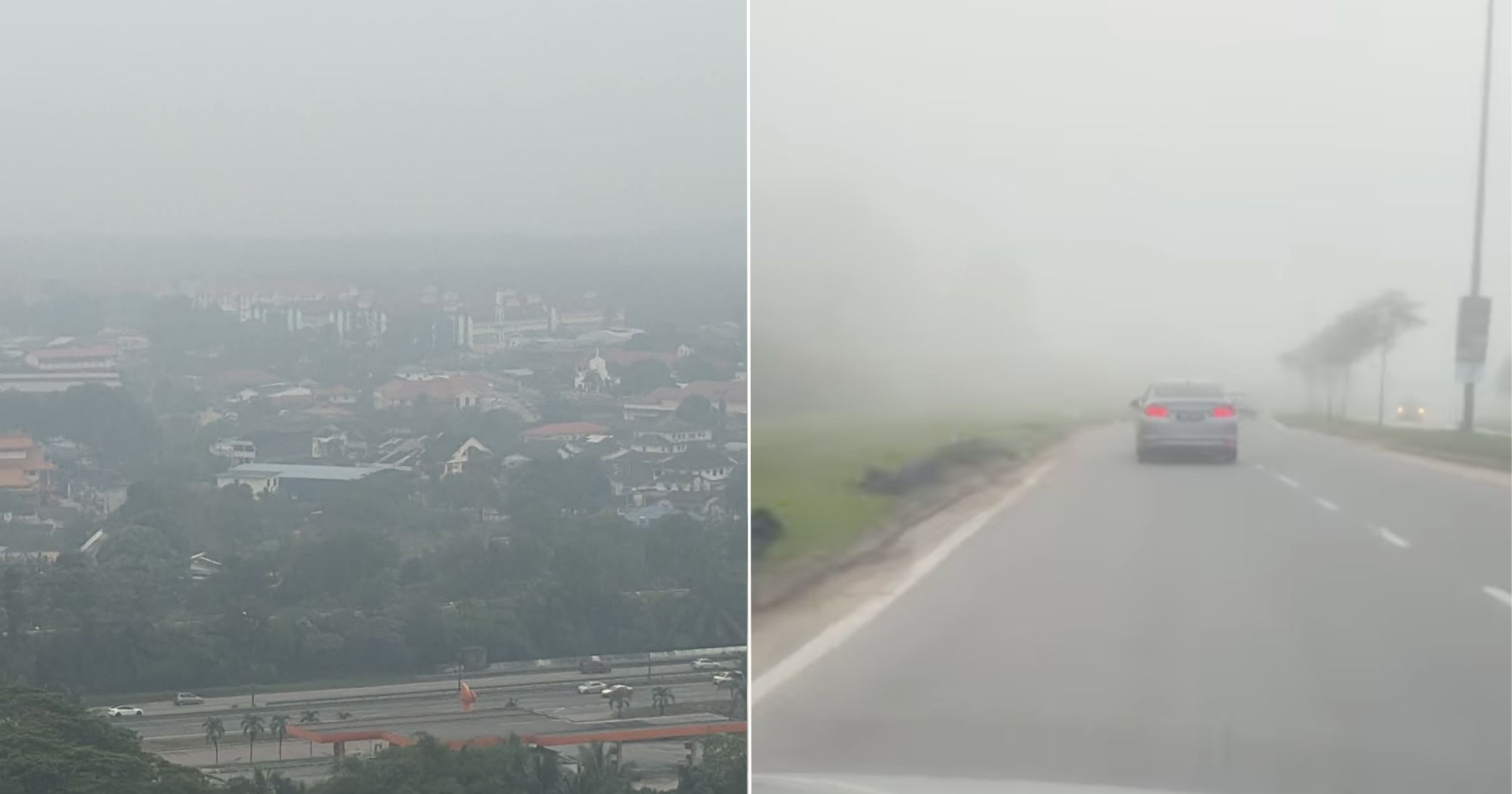
Johor's schools are shutting down for two days to protect students from severe haze, with air quality reaching unhealthy levels. The decision, directed by the Johor Regent, prioritizes children's health, and home-based learning will continue.
Imagine the air outside is like a really dusty room that's bad to breathe in. To keep kids safe and healthy, all the schools in a nearby Malaysian state called Johor are closing for a couple of days. They'll still learn from home, like doing schoolwork on a computer, so they don't miss out.
Analysis
Johor Regent's Directive
The decision to close all schools in Johor for two days, October 8th and 9th, stems from a directive by Johor Regent Tunku Ismail Sultan Ibrahim. This action underscores the severity of the haze situation and the paramount importance placed on the health and safety of students. The Johor Education and Information Committee chairman, Muhammad Naqib Md Ghazali, conveyed that while the closure might cause adjustments, safeguarding children's well-being is a shared priority.
This directive reflects a proactive approach by the Johor authorities to mitigate the immediate health risks associated with poor air quality. It acknowledges that in such circumstances, educational continuity must be balanced against the fundamental need to protect young, vulnerable populations from respiratory and other health issues exacerbated by pollution.
Air Pollutant Index Management System (APIMS)
As of 11 am on October 8th, all eight monitored areas in Johor registered unhealthy Air Pollutant Index (API) readings, with levels ranging between 162 and 188. These figures indicate a significant deterioration in air quality, exceeding the threshold for 'unhealthy' which typically starts at 101. Such prolonged exposure to unhealthy air can lead to various health problems, including respiratory infections, aggravated asthma, and other cardiovascular issues.
The reliance on the APIMS data by the authorities demonstrates a commitment to evidence-based decision-making. Continuous monitoring of these readings will be crucial for determining when it is safe for schools to reopen and for implementing further measures if the situation does not improve. The state government and relevant agencies are actively tracking these indices.
Home-Based Teaching and Learning
To ensure that students do not fall behind academically, home-based teaching and learning (PdPR) will be implemented during the two-day school closure. This approach allows for the continuation of educational activities without compromising student health. The Johor Education Department and other relevant parties will make decisions regarding the postponement of assessments that were scheduled during this period.
This measure highlights the adaptability of the education system in responding to environmental emergencies. It also places an onus on parents and guardians to support their children's learning at home, while also being vigilant about their health. The chairman's advice to parents includes monitoring children's health, limiting outdoor activities, ensuring adequate hydration, and seeking medical attention for symptoms like coughing or breathing difficulties.
Key points
- All schools in Johor, Malaysia, are closed on October 8 and 9 due to severe haze.
- Air quality readings in all eight Johor areas were in the unhealthy range (162-188) as of Oct. 8.
- The decision was made following a directive from Johor Regent Tunku Ismail Sultan Ibrahim to safeguard students' health.
- Home-based teaching and learning will be conducted to ensure continuity of education.
- Parents are advised to monitor children's health and reduce outdoor activities.
The swift closure of schools in Johor demonstrates a commitment to prioritizing student health, which could lead to fewer respiratory illnesses among children. Continued monitoring and potential home-based learning ensure that educational disruption is minimized, allowing students to resume classes promptly once air quality improves.
If haze conditions persist or worsen, the extended closure of schools could lead to significant learning loss and academic setbacks for students. The reliance on home-based learning may also exacerbate educational inequalities for students lacking adequate resources or parental support.