Priority for families with children, new ride-share car category among ideas left out of COE review
Several public suggestions for changes to Singapore's Certificate of Entitlement (COE) system, including priority for families and a separate category for private-hire cars, were deemed unsuitable for implementation by the LTA.
Intelligence analysis by Gemini 2.5 Flash
The Land Transport Authority (LTA) has revealed several ideas proposed during its COE review that will not be implemented, citing concerns over fairness, market distortion, and administrative complexity. These excluded suggestions included giving priority to families with children, creating a new COE category for private-hire vehicles, and imposing surcharges on multi-car owners.
Imagine the government is like a school principal deciding who gets a special parking spot. Lots of parents want one, but there aren't enough for everyone. This story is about some ideas people had for those parking spots, like giving priority to families with young kids or making special spots for taxi-like cars. But the principal decided not to use these ideas because it was too tricky to make it fair for everyone and might cause other problems.
Analysis
The Land Transport Authority's (LTA) decision to exclude several public suggestions from its Certificate of Entitlement (COE) review highlights the complex balancing act involved in managing Singapore's vehicle population. While the public engagement exercise brought forth diverse ideas aimed at improving fairness and accessibility, the LTA's rationale for their rejection often centered on the principles of market forces, administrative feasibility, and the inherent difficulty of prioritizing one group's needs over another without creating new inequities. This article sheds light on the specific proposals that did not make the cut and the underlying reasons for their exclusion, offering insight into the government's cautious approach to systemic changes.
Families with Children
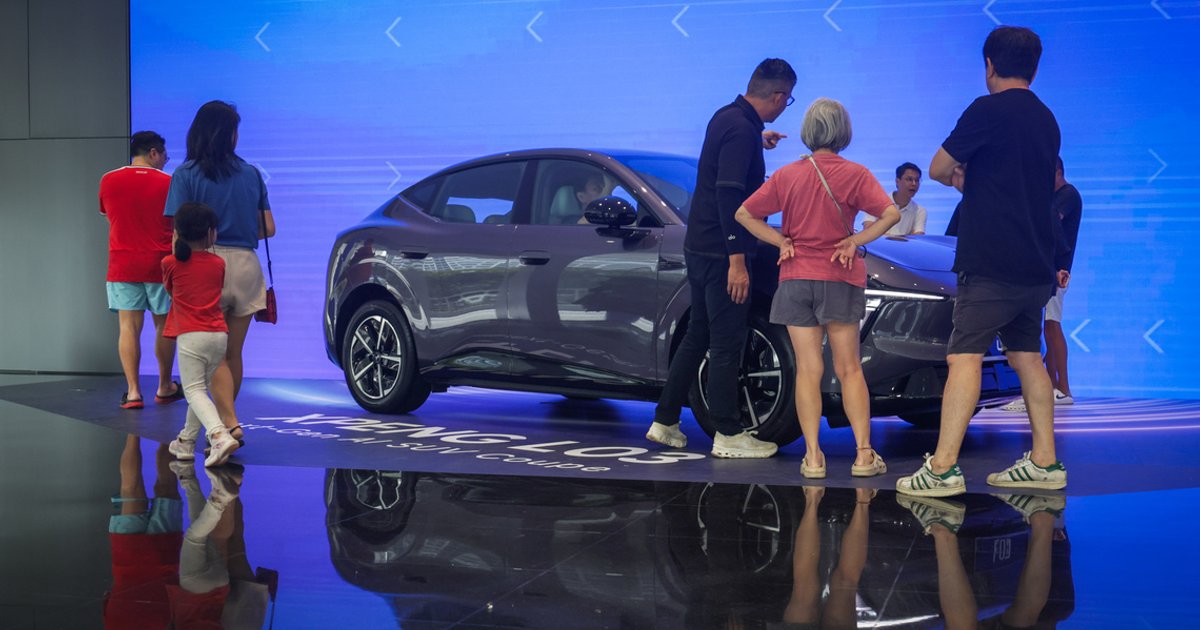
One prominent suggestion was to grant priority for families with children in the COE bidding process, acknowledging their unique transport needs for school runs, childcare, and caregiving. The LTA acknowledged the validity of these concerns, recognizing that families' transport requirements evolve through different life stages. However, the authority expressed significant reservations about implementing such a system. The core challenge, as articulated by the LTA, lies in the subjective nature of determining whose needs warrant greater priority. Allocating more COEs to families with young children would inevitably mean fewer for other groups, such as caregivers or multi-generational households, who also possess compelling transport needs. Furthermore, the LTA noted the administrative complexity of fairly implementing a system based on changing household circumstances over the 10-year validity period of a COE. This stance underscores the LTA's commitment to maintaining a system that is perceived as fair and transparent, rather than introducing criteria that could lead to new forms of discrimination or administrative burdens.
Private-Hire Vehicles
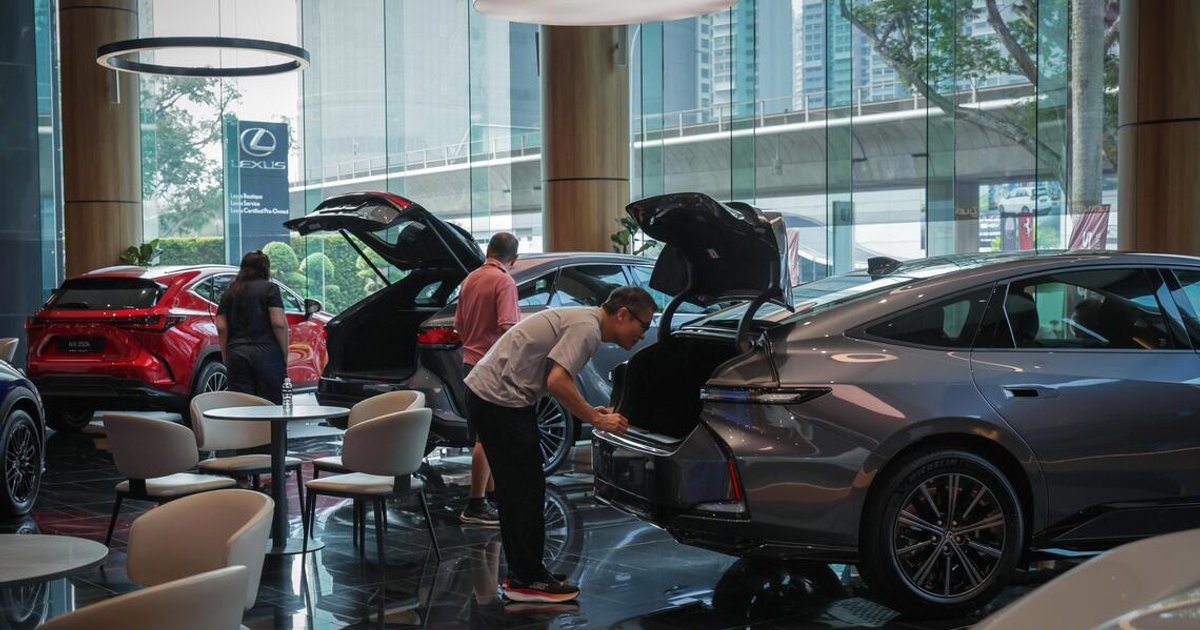
Another idea proposed was the creation of a new, separate COE category specifically for private-hire vehicles. Proponents argued that this separation would foster a fairer bidding environment by preventing ride-hail operators and car-leasing companies from directly competing with individual private car buyers in the existing categories. The LTA, however, identified several potential drawbacks to this approach. Firstly, establishing a new category would necessitate reallocating a portion of existing COEs, which could lead to price increases in the remaining categories if too many are shifted. Conversely, setting aside too few COEs for private-hire vehicles could result in a scarcity of such vehicles on the roads, potentially driving up rental fees for drivers and, consequently, fares for passengers. A significant regulatory hurdle also emerged: since private-hire vehicles can be used for personal transport, new rules would be required to ensure they are exclusively utilized for their intended commercial purpose. This highlights the LTA's concern about unintended market distortions and the practical challenges of enforcing usage restrictions within a new category.
Multiple Cars
The review also considered suggestions to discourage the ownership of multiple cars, either through a surcharge or by making more COEs available for first-time or single-car owners. The underlying premise was that limiting multi-car ownership could free up COEs and potentially lower prices for others. However, the LTA concluded that such a measure would likely have a negligible impact on COE prices. The authority's analysis indicated that households owning more than one car are not the primary drivers of COE demand. Data from 2025 showed approximately 66,000 such households, constituting about 13 percent of all car-owning households, a decrease from 87,000 households (nearly a fifth) in 2012. This trend suggests that multi-car ownership is already declining and does not represent a significant portion of the overall demand pool. Moreover, the LTA deemed a surcharge on multiple car owners difficult to administer fairly or effectively, citing the diverse transport needs of different households. This rejection underscores the LTA's data-driven approach and its reluctance to implement policies that might be administratively cumbersome while yielding minimal impact on the core issue of COE prices.
Key points
- The LTA rejected proposals for COE priority for families with children due to fairness and administrative complexity concerns.
- A new COE category for private-hire vehicles was deemed unsuitable due to potential price increases and regulatory challenges.
- Surcharges on multi-car owners were dismissed as unlikely to significantly impact COE prices, given declining multi-car ownership.
- The LTA is exploring ways to encourage direct COE bidding by buyers and increase transparency from car dealers.
- Suggestions to change the COE bidding payment method (each bidder pays their submitted amount) were also rejected, as they are unlikely to lower prices.
By rejecting these complex proposals, the LTA aims to maintain a COE system that is fair, transparent, and market-driven, potentially leading to more stable and predictable outcomes for car ownership in Singapore. The focus on simpler, more broadly applicable changes could prevent unintended consequences and administrative burdens.
The LTA's decision to not implement these suggestions means that specific concerns, such as the high cost of car ownership for families or the competitive disadvantage faced by private car buyers against ride-hail operators, may remain unaddressed, potentially leading to continued public dissatisfaction.