Explainer-Why New York's Mamdani cannot have Israel's Netanyahu arrested
New York Mayor Zohran Mamdani said he lacks the legal authority to arrest Israeli Prime Minister Benjamin Netanyahu for alleged war crimes. Mamdani cited US law and international agreements that grant immunity to heads of state and UN representatives.
Intelligence analysis by Llama
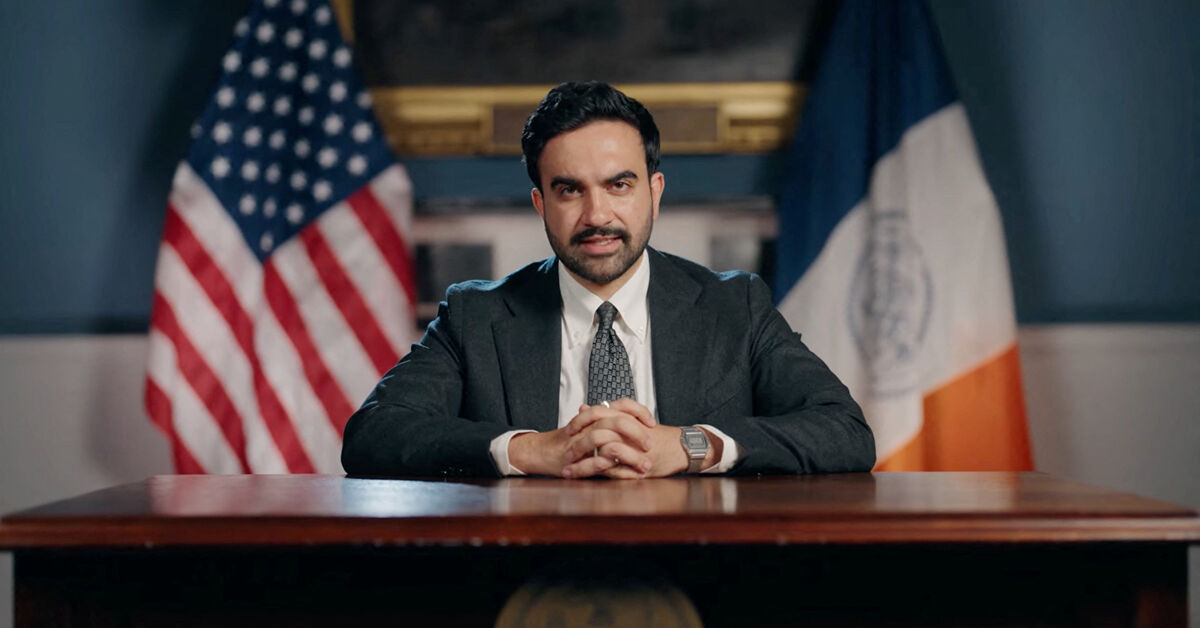
New York Mayor Zohran Mamdani has determined he cannot arrest Israeli Prime Minister Benjamin Netanyahu for alleged war crimes due to US law and international agreements granting immunity to heads of state and UN representatives. Mamdani had earlier considered the move but now says he lacks the authority.
Imagine you're the mayor of a big city, and you think the leader of another country has done something very bad. You want to arrest them, but you're not sure if you have the power to do so. This is what happened with New York Mayor Zohran Mamdani and Israeli Prime Minister Benjamin Netanyahu. Mamdani thought he could arrest Netanyahu for war crimes, but then he realized he didn't have the authority to do so. It's like trying to catch a bad guy, but you don't have the right tools or permission to do so.
Analysis
A $60B Vote of Confidence
The decision by New York Mayor Zohran Mamdani to conclude that he lacks the authority to arrest Israeli Prime Minister Benjamin Netanyahu for alleged war crimes has significant implications for the international community's ability to hold leaders accountable for such crimes. The International Criminal Court (ICC) issued an arrest warrant for Netanyahu in 2024 for alleged war crimes during the Gaza war, but Israel rejects the court's jurisdiction and denies committing war crimes. Mamdani's decision is based on US law and international agreements that grant immunity to heads of state and UN representatives. This immunity is enshrined in the 2002 American Service-Members Protection Act, which prohibits the US from extraditing anyone to the ICC. Additionally, the agreement between the UN and the US conferring immunity on UN representatives would still be an obstacle to arresting Netanyahu. The decision highlights the complexities of international law and the limitations of local authorities in enforcing global justice. It also underscores the need for a more robust international framework for holding leaders accountable for alleged war crimes.
Why Cursor?
Mamdani's decision to consider arresting Netanyahu was met with skepticism by many experts, who pointed out that the US is not a member of the ICC and therefore has no mechanism to enforce the court's arrest warrants. The ICC's jurisdiction is limited to countries that have ratified the Rome Statute, and the US has not done so. Furthermore, the US has a long history of opposing the ICC and has taken steps to limit its jurisdiction. In 2002, the US passed the American Service-Members Protection Act, which prohibits the US from extraditing anyone to the ICC. This law has been widely criticized by human rights groups, who argue that it undermines the ability of the international community to hold leaders accountable for war crimes. The decision by Mamdani to conclude that he lacks the authority to arrest Netanyahu is a reflection of the complexities of international law and the limitations of local authorities in enforcing global justice.
The Road Ahead
The decision by Mamdani to conclude that he lacks the authority to arrest Netanyahu has significant implications for the international community's ability to hold leaders accountable for alleged war crimes. It also highlights the need for a more robust international framework for holding leaders accountable for such crimes. The ICC's jurisdiction is limited to countries that have ratified the Rome Statute, and the US has not done so. Furthermore, the US has a long history of opposing the ICC and has taken steps to limit its jurisdiction. In order for the US to arrest Netanyahu, it would need to join the ICC and repeal the American Service-Members Protection Act. Even then, the agreement between the UN and the US conferring immunity on UN representatives would still be an obstacle. The decision by Mamdani to conclude that he lacks the authority to arrest Netanyahu is a reflection of the complexities of international law and the limitations of local authorities in enforcing global justice.
Key points
- New York Mayor Zohran Mamdani lacks the authority to arrest Israeli Prime Minister Benjamin Netanyahu for alleged war crimes.
- The decision is based on US law and international agreements that grant immunity to heads of state and UN representatives.
- The ICC's jurisdiction is limited to countries that have ratified the Rome Statute, and the US has not done so.
- The US has a long history of opposing the ICC and has taken steps to limit its jurisdiction.
- The decision highlights the complexities of international law and the limitations of local authorities in enforcing global justice.
The international community may come together to create a more robust framework for holding leaders accountable for war crimes. This could involve revising international agreements and laws to grant greater jurisdiction to the ICC.
The limitations of local authorities in enforcing global justice may lead to a lack of accountability for leaders who commit war crimes. This could perpetuate a culture of impunity and undermine efforts to prevent future atrocities.