Extra £174m earmarked for ‘spiralling’ bill for Lower Thames Crossing
Ministers have added £174m to the Lower Thames Crossing budget, deepening concern over rising costs for the Kent-Essex tunnel.
Intelligence analysis by GPT-5.4 Mini
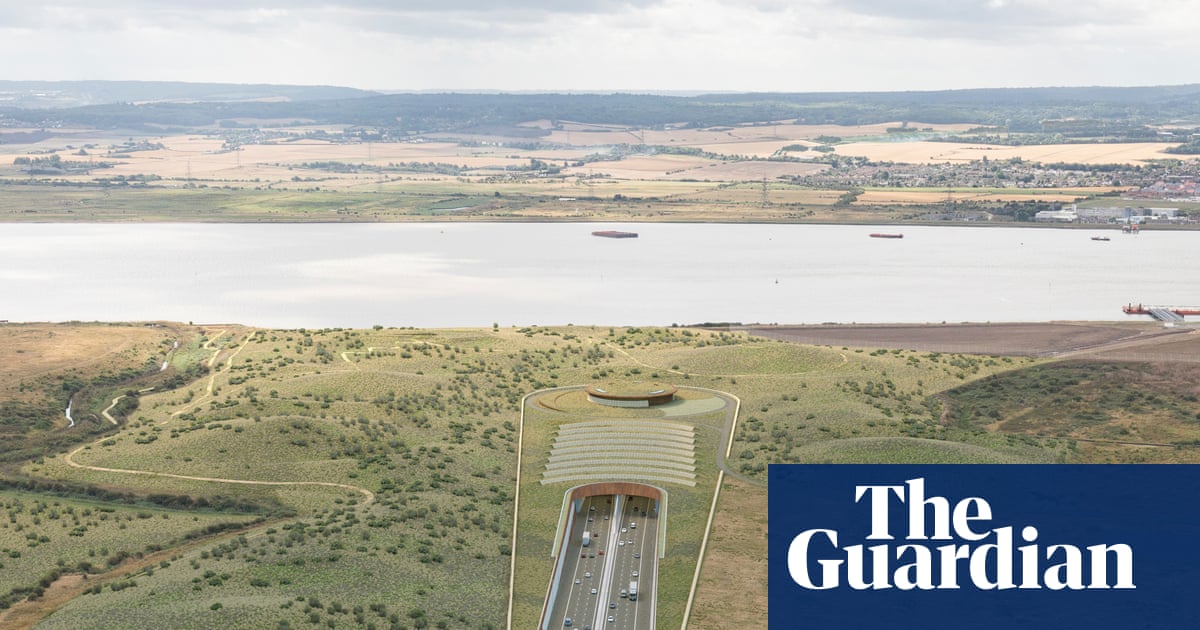
The UK government has increased funding for the Lower Thames Crossing by £174m, bringing fresh scrutiny to a project already branded expensive and secretive by critics. Officials say the money is needed for public works that could unlock private investment.
The government is building a very expensive new road tunnel under the river, like making a giant shortcut for cars and lorries. It has already spent a lot, and now it is adding more money, which is why people are worried the price is climbing too fast.
Analysis
What changed
Ministers have set aside an extra £174m for the Lower Thames Crossing, a planned road tunnel between Kent and Essex. The Department for Transport says the money will pay for public works on both sides of the tunnel and will come from existing budgets.
Why the project is controversial
The tunnel is already expected to cost about £11bn in total, and the article says its per-mile cost is higher than HS2 from London to Birmingham. The government has already committed £3.1bn in public spending, with the hope that a private consortium will later put in about £7.5bn.
Timing and governance questions
The Guardian notes that the transport department has taken direct control of the scheme after forcing National Highways to step back from the main oversight role. It also says officials have not yet published an outline business case, even though that document would usually come before large-scale work begins.
Political and public reaction
The chancellor, Rachel Reeves, and transport secretary, Heidi Alexander, support the project and describe it as vital for easing congestion on the M25. Critics, including Transport Action Network campaigner Rebecca Lush, argue the rising costs and lack of transparency look like a project “running out of control.”
What happens next
The article says the licence to run the new tunnel and the existing Dartford tunnel is expected to be handed to a private consortium in 2029, with completion now scheduled for 2034. The government says any future tolls will be regulated by an independent regulator to keep prices fair for drivers.
Key points
- Ministers have added £174m to the Lower Thames Crossing budget.
- The project is now expected to cost about £11bn and has drawn comparisons with HS2 on per-mile cost.
- The Department for Transport says the money will fund public works that help unlock private investment.
- Critics say the government is shifting money from National Highways without proper transparency.
- The completion date is now scheduled for 2034, with a private operator expected in 2029.
If the funding helps move the project forward, the tunnel could eventually ease traffic around Dartford and the M25. The government also says any future tolls will be regulated, which could help keep charges fair for drivers.
The extra funding could deepen fears that the project is becoming too expensive before a full business case has been published. If costs keep rising, the scheme could face more political backlash and more criticism over how public money is being used.