Family of missing Rohingya footballer fear he is among 500 believed dead in Myanmar shipwrecks
A Rohingya footballer, Siraz Ullah, is feared to be among 500 refugees who vanished at sea after attempting to reach Malaysia. His family received a final voice message expressing his desperation to escape persecution.
Intelligence analysis by Gemini 2.5 Flash Lite
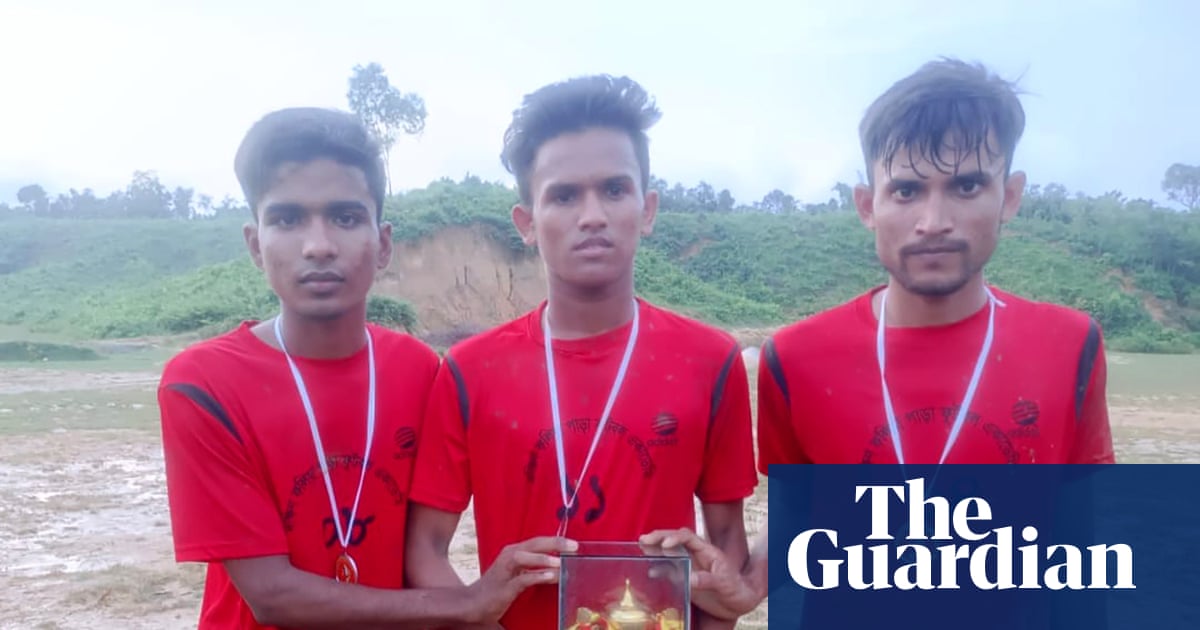
The story highlights the perilous journeys undertaken by Rohingya refugees seeking a better life, exemplified by the case of Siraz Ullah, a young footballer who disappeared after setting sail for Malaysia. His final message reveals the extreme desperation driving these dangerous voyages, with many fearing they are among hundreds lost at sea.
Imagine a group of people, the Rohingya, who are treated very unfairly in their home country and have to leave. Many try to escape by boat to find a safer place, like Malaysia. Sometimes, these boats get lost at sea, and families worry their loved ones are among those who didn't make it, like a young footballer named Siraz who was trying to reach a new life.
Analysis
The Perilous Exodus of the Rohingya
The plight of the Rohingya, a stateless Muslim minority group, continues to be a critical global concern. Decades of systematic persecution in Myanmar have decimated their population, with an estimated 1.4 million reduced to 550,000 within the country. The majority, over a million, now reside in overcrowded refugee camps in Bangladesh, facing severe restrictions on movement and opportunities. This dire situation fuels a desperate search for safety and a better future, primarily in Malaysia.
Traffickers Exploiting Desperation
Criminal networks have capitalized on this desperation, luring Rohingya from both Myanmar and Bangladesh with false promises of a new life. These traffickers often subject their victims to abuse and extortion before cramming them onto unseaworthy vessels. The journey itself is fraught with danger, as evidenced by a previous incident in April where 250 Rohingya perished when their boat capsized in the Andaman Sea. The case of Siraz Ullah, who dreamed of playing professional football, is a poignant example of individuals risking everything for a chance at a normal life.
A Cycle of Violence and Loss
Siraz's journey is emblematic of a recurring pattern. He had previously attempted to reach Malaysia in 2022, only to be caught in a storm and handed over to Myanmar authorities, who routinely imprison Rohingya leaving without permission. His family had to pay a significant ransom for his release. The recent escalation of conflict between the Myanmar military and the Arakan Army has further worsened conditions, forcing over 150,000 Rohingya to flee to Bangladesh. For young men like Siraz, the sea crossing, despite its immense risks, often appears to be the only viable option for escape from a cycle of violence, forced labor, and persecution.
Key points
- Rohingya footballer Siraz Ullah is feared dead along with approximately 500 other refugees lost at sea while attempting to reach Malaysia.
- Siraz's last message expressed his desperation to escape persecution and his awareness of the extreme dangers of the journey.
- Thousands of Rohingya undertake perilous sea crossings due to decades of persecution and violence in Myanmar and restrictive conditions in Bangladesh.
- Criminal trafficking networks exploit Rohingya refugees, luring them with false promises and subjecting them to abuse before dangerous sea voyages.
- Recent conflict in Myanmar has further displaced Rohingya, increasing the urgency of escape and the risks associated with these journeys.
Should Siraz and other missing passengers be found alive, it would offer a glimmer of hope amidst the ongoing tragedy. Their survival could highlight the resilience of the human spirit and potentially draw further international attention and aid to the Rohingya crisis.
The high likelihood of the boat having capsized, as suggested by UN reports, points to a tragic loss of life. This further exacerbates the humanitarian crisis, leaving families in prolonged grief and uncertainty, and underscores the continued dangers faced by refugees fleeing persecution.