Family seeks help after Hongkonger held in Philippines despite finishing jail time
A Hong Kong man, Tang Lung-wai, remains imprisoned in the Philippines despite a court ruling that he has served his 40-year sentence for methamphetamine possession, prompting his family to seek help. He faces lengthy administrative procedures before deportation.
Intelligence analysis by Gemini 2.5 Flash
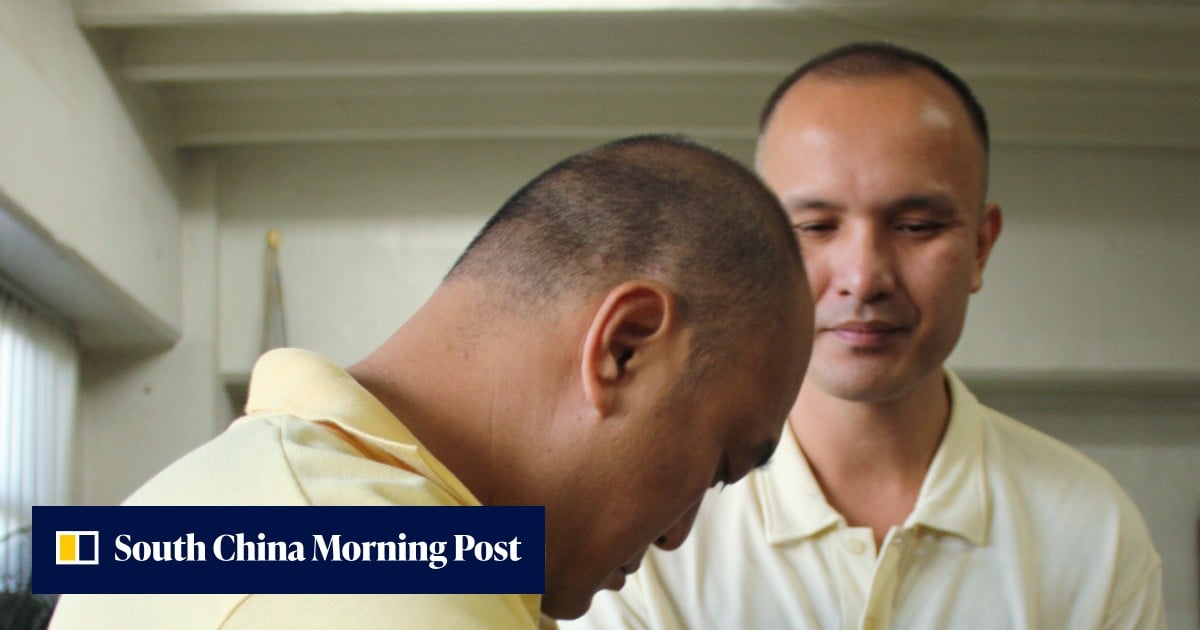
Tang Lung-wai, a Hongkonger convicted of drug possession in the Philippines in 2011, has completed his 40-year sentence, factoring in good conduct time. However, despite a court order for his release and immediate deportation, he remains in custody due to administrative hurdles, leading his family to appeal for assistance from Hong Kong authorities.
Imagine a kid who was told they had to stay in their room for 40 minutes as a punishment. After 40 minutes, the grown-up says, 'Okay, you've served your time, you can come out!' But then, the kid is still stuck in their room because of lots of paperwork and grown-up rules. That's what's happening to a man from Hong Kong in the Philippines. Even though a judge said he's finished his jail time, he's still stuck because of slow paperwork, and his family is asking for help to get him home.
Analysis
Tang Lung-wai
Tang Lung-wai's prolonged detention in the Philippines, despite a judicial order for his release, underscores the significant challenges faced by foreign nationals navigating complex overseas legal and administrative systems. Arrested in 2000 and convicted in 2011 for methamphetamine possession, his 40-year sentence has now been officially recognized as served, largely due to good conduct time allowances. This legal victory, however, has not translated into immediate freedom, highlighting a critical disconnect between court rulings and practical implementation.
His family's desperate appeal to Hong Kong authorities for intervention emphasizes the emotional and practical toll such bureaucratic delays inflict. They are seeking diplomatic or consular assistance to cut through the red tape that is preventing his return home. The initial inaccuracy in prison records, which understated his served time, further complicates his case and raises broader questions about the transparency and reliability of inmate record-keeping within the Philippine correctional system.
Muntinlupa City Regional Trial Court
The decision by the Muntinlupa City Regional Trial Court, specifically Judge Abraham Joseph Alcantara's order on July 30, represents a clear legal mandate for Tang Lung-wai's release. The court explicitly determined that, as of July 5, 2026, Tang had technically completed his full 40-year sentence, including allowances for good conduct. This ruling should, by all legal standards, trigger his immediate transfer for deportation.
The court's directive to transfer Tang to the Bureau of Immigration and Deportation for "immediate deportation without further proceedings" leaves little room for ambiguity regarding the judicial intent. However, the fact that he remains incarcerated despite this unequivocal order points to potential systemic inefficiencies or administrative bottlenecks within the Philippine government. This situation suggests that administrative processes can, in practice, significantly delay or even temporarily override clear judicial pronouncements, creating a frustrating limbo for individuals like Tang.
Bureau of Immigration and Deportation
The Bureau of Immigration and Deportation now holds the key to Tang Lung-wai's freedom, as they are the designated agency for his transfer and subsequent deportation. His family's concern about "lengthy administrative procedures" highlights the often-arduous process involved in expelling foreign nationals, even after their prison sentences are fully served. These procedures typically encompass identity verification, securing necessary travel documents, and ensuring there are no other outstanding legal or immigration impediments.
The delay at this crucial stage raises serious questions about the efficiency and responsiveness of the immigration system, particularly when dealing with cases where a court has ordered immediate action. For individuals who have already endured decades of imprisonment, any further administrative hold-ups can feel like an unjust extension of their punishment. The involvement of Hong Kong authorities would likely focus on streamlining these administrative steps and advocating for Tang's fundamental right to be released and repatriated without undue delay.
Key points
- Tang Lung-wai, a Hongkonger, remains imprisoned in the Philippines despite completing his 40-year sentence.
- He was arrested in 2000 for methamphetamine possession and convicted in 2011.
- A Muntinlupa City Regional Trial Court ruling on July 30 ordered his release and transfer for immediate deportation.
- The court factored in good conduct time allowance, determining his sentence was served by July 5, 2026.
- His family is appealing to Hong Kong authorities for help to overcome "lengthy administrative procedures" preventing his deportation.
With the court having officially ruled that Tang has served his sentence, increased public and diplomatic pressure from Hong Kong could expedite the administrative procedures. This might lead to his swift deportation and reunion with his family, demonstrating the effectiveness of international advocacy in resolving such cases.
The "lengthy administrative procedures" could continue to delay Tang's release indefinitely, potentially due to bureaucratic inertia, further legal complexities, or a lack of urgency from the Philippine authorities. This prolonged detention, despite a court order, could lead to further distress for Tang and his family and strain diplomatic relations.