Fans and trouble getting U.S. visas: “This World Cup is not for us”
BBC Persian reports that fans from several World Cup countries, including Iran, face major U.S. visa barriers that may keep them from the tournament.
Intelligence analysis by GPT-5.4 Mini
The article follows fans who bought tickets or considered travel plans for World Cup matches in the United States, only to run into visa obstacles, consular closures, and high rejection rates. It argues that for supporters from countries such as Iran, the event can feel effectively closed to them.
It is like winning a ticket to a big party but then being stopped at the door because the rules for entering are very hard. For many fans, the game is far away even after their team has qualified.
Analysis
What happened
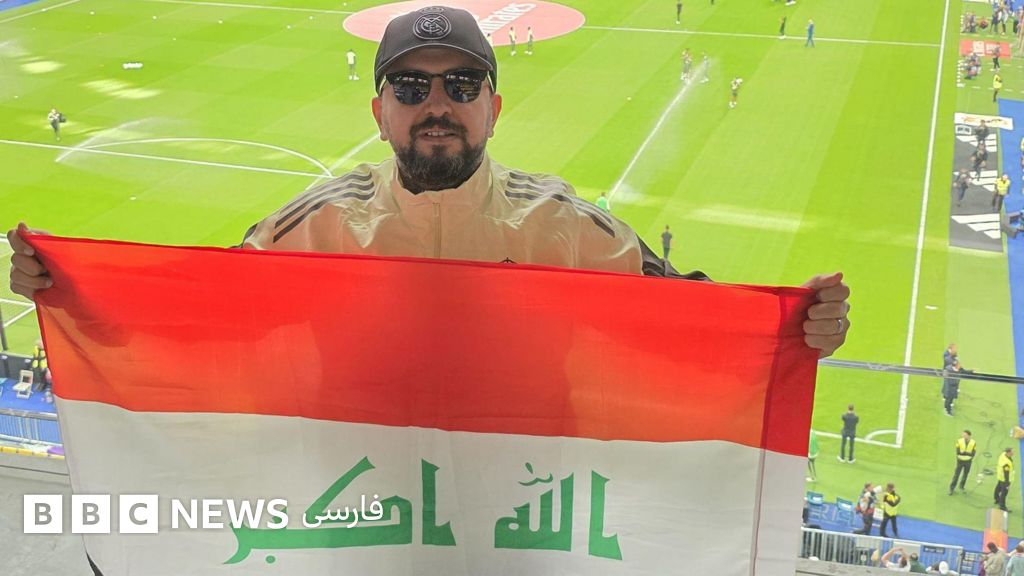
BBC Persian reports that fans from several World Cup countries are struggling to get U.S. visas, even after their teams qualified. One Iraqi supporter, Abdullah Adnan, bought tickets for matches in Boston and Philadelphia after Iraq reached the tournament, but he says the visa process became a major obstacle.
Why Iraq became a problem
Adnan could not apply in Iraq because, according to the report, the United States suspended routine consular services there for security reasons. He then tried to apply through the U.S. embassy in Jordan, but staff told him that because he was not a Jordanian citizen, they could not issue a visa there. He also considered Turkey, but the trip would have been long and uncertain.
The broader pattern
The article says similar frustrations are affecting fans from other countries as well. It cites U.S. travel restrictions and tougher visa rules that include four World Cup teams: Haiti, Iran, Senegal, and Ivory Coast. Julien Kouadio Adonis, who leads a fan group in Ivory Coast, calls the restrictions a form of separation and says Europe has not faced comparable limits.
The report also notes that 42 wealthy countries can enter the U.S. through the ESTA visa waiver system for about $40, while travelers who need visas must pay about $185, attend an in-person interview, and show they plan to leave the U.S. after the trip.
What the numbers show
Using U.S. State Department data, BBC says visa refusal rates for citizens of 11 of the 48 World Cup-qualified countries were above 40%. Those countries include Iran, Haiti, Algeria, Egypt, Jordan, Ghana, and Senegal. The article stresses that this data covers all visa applicants, not just soccer fans, but it still raises doubts for supporters deciding whether to spend money on tickets before knowing if they can enter the U.S.
Key points
- BBC Persian says fans from countries including Iran face serious barriers to getting U.S. visas for the World Cup.
- An Iraqi fan who bought tickets for matches in Boston and Philadelphia says he could not complete the visa process in Iraq or Jordan.
- The report links part of the problem to suspended U.S. consular services in Iraq and broader travel restrictions.
- BBC says four qualified teams are affected by U.S. visa limits: Haiti, Iran, Senegal, and Ivory Coast.
- State Department data cited in the story shows high visa refusal rates for many qualified countries.
If the U.S. eases or clarifies visa access for more fans, supporters from affected countries could still make the trip and attend matches they have already paid to see. The article also notes that some countries received relief from a financial deposit requirement, which could help a limited set of travelers.
If current rules stay in place, many fans from Iran and other affected countries may never get visas in time, even after buying tickets. That would leave empty seats for teams that qualified and deepen complaints that the tournament is not equally open to all supporters.