Far-right praise for shah’s secret police puts Reza Pahlavi on the spot
Reza Pahlavi has distanced himself from supporters praising Savak, the shah’s feared secret police. The backlash adds pressure on the exiled opposition figure as he tries to present himself as a democratic alternative to Iran’s rulers.
Intelligence analysis by GPT-5.4 Mini
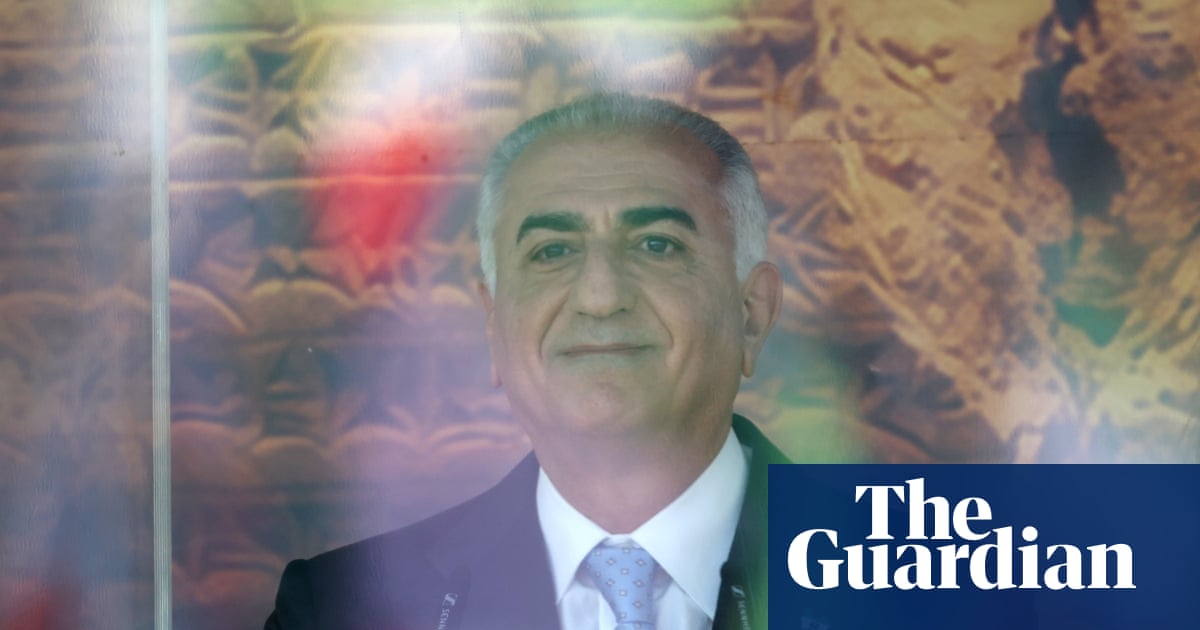
The Guardian says Pahlavi is under fresh scrutiny after some supporters glorified Savak, the security service long associated with torture and repression under his father. The episode has complicated his effort to lead a post-theocracy transition and revived questions about the politics around his movement.
Reza Pahlavi is trying to look like a leader who wants freedom for Iran, but some of his fans are cheering for an old police force that many people remember as cruel. It is like trying to run a school club for fairness while some members keep waving signs for the meanest hall monitor.
Analysis
What happened
The article says Reza Pahlavi, the son of Iran’s last shah, has been forced to distance himself from supporters who praised Savak, the shah-era security agency widely associated with surveillance, torture and repression. Some backers have displayed Savak symbols at rallies, prompting criticism that the movement is tolerating authoritarian imagery.
Why it became a problem
Pahlavi has presented himself as a figure “uniquely positioned” to help lead a democratic transition away from the Islamic Republic. That message is harder to sustain, the piece argues, when some of his loudest supporters celebrate an institution many Iranians view as a symbol of despotism. He responded in a video message, calling the issue urgent and saying the displays give opponents an excuse to attack the movement.
Wider political context
The article places the dispute against a backdrop of heightened pressure on Iran, including US and Israeli military strikes that have been paused by a shaky ceasefire and Pakistani-mediated talks. It also notes that Pahlavi’s profile rose after protesters chanted his name during mass demonstrations last January, before those protests were crushed.
What critics are saying
Former allies quoted in the article say the Savak praise undermines the democratic and liberal values Pahlavi has claimed to support. The story also points to other signs of hardline politics around his camp, including nationalist slogans, hostility toward journalists, and reports of threats against critics.
Bottom line
The piece portrays Pahlavi as trying to hold together an exile movement whose more extreme supporters may be damaging the very legitimacy he needs to build.
Key points
- Pahlavi distanced himself from supporters who glorified Savak, the shah-era secret police.
- The article says Savak is widely remembered as a tool of repression, torture, and surveillance.
- Critics argue the displays clash with Pahlavi’s claim that he could help lead a democratic transition.
- The story also describes nationalist slogans, hostility toward journalists, and threats aimed at critics in his orbit.
If Pahlavi can clearly reject the Savak symbolism, he may be able to keep his movement focused on a democratic transition rather than on nostalgia for the monarchy. A cleaner break from authoritarian imagery could make it easier for him to keep support among exiled Iranians and foreign observers who want change in Iran.
If the Savak praise keeps spreading, it could cement the view that his camp tolerates authoritarian habits even while talking about democracy. That would weaken his credibility, deepen divisions among supporters, and give opponents a ready-made argument against his role in any future transition.