Fatal Crossing: China’s Villagers Risking Their Lives for Seasonal Work
Ten casual laborers drowned after a pickup was swept away in flooded southern China. The case exposes how seasonal work, heavy rain, and unsafe crossings can turn routine commutes deadly.
Intelligence analysis by GPT-5.4 Mini
A rain-swollen crossing in Guangxi killed 10 of 15 laborers riding home in an overcrowded pickup. The story links rural job scarcity, monsoon weather, and weak road safety protections around low-water crossings.
A group of villagers took a small truck home after work, but a river was rising fast from heavy rain. The truck was washed away like a toy boat in a storm, showing how a simple trip can become deadly when roads and weather are both bad.
Analysis
What happened
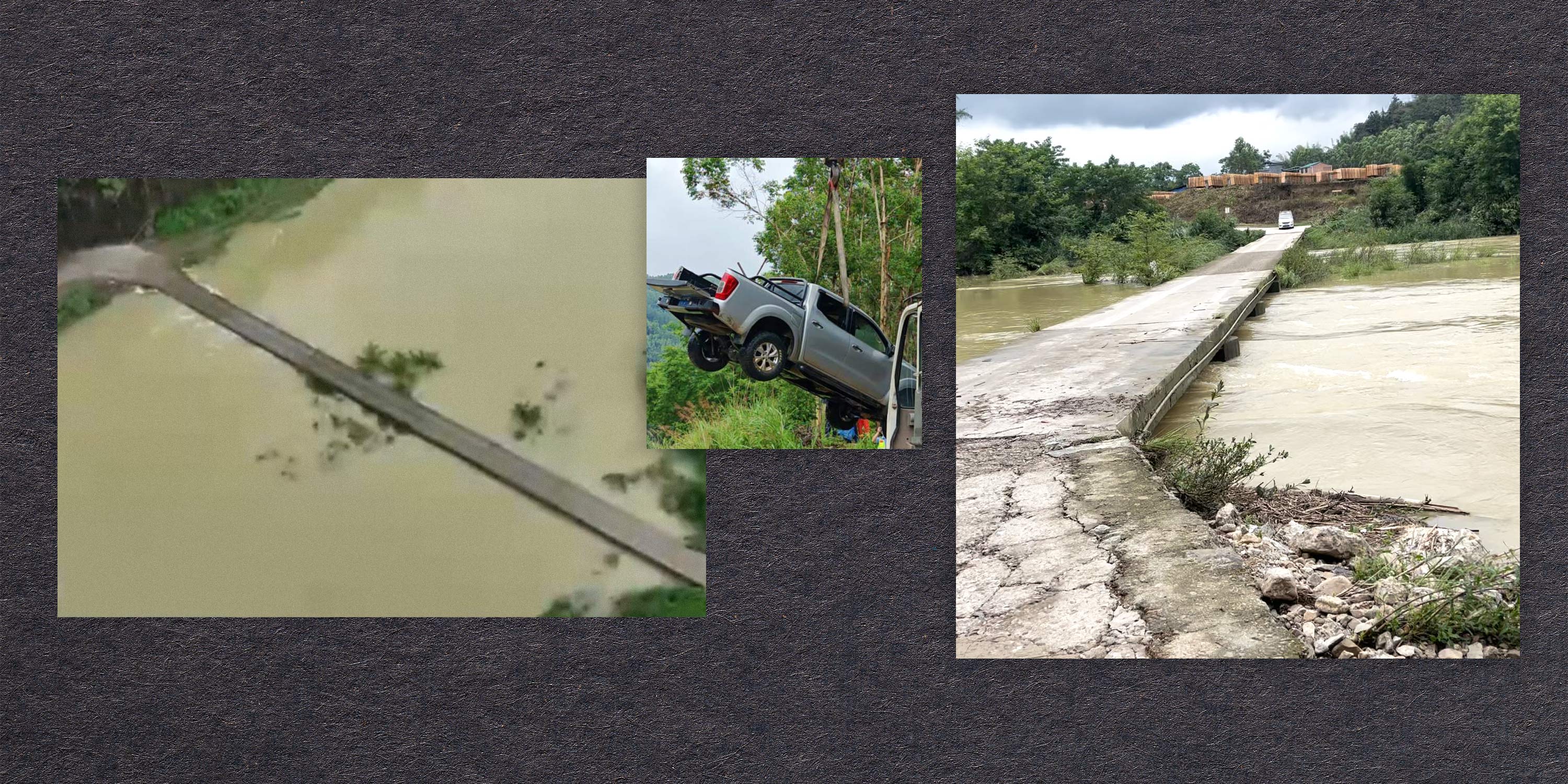
On May 16, torrential rain hit Yongquan Village in southern Guangxi and turned roads muddy while rivers rose quickly. Fifteen casual farm laborers were riding home in a five-seater pickup truck after a day of work when the vehicle tried to cross the Dahuan River at a low-water crossing and was believed to be swept away. Five people survived; 10 died.
Why the trip was so risky
The laborers were part of a larger seasonal work gang hired to intercrop sweet potatoes in a camellia oil forest. The article says such gangs are common in poorer rural areas where work is scarce and planting or harvest seasons bring short-term jobs. Those jobs pay little, sometimes around 160 yuan a day, while the transport back and forth can be dangerous in rainy season conditions.
The crossing itself had no guardrails and was lower on one end. Local rules say low-water crossings should be closed before floodwater reaches the deck, but the article says heavy rainfall and upstream flood discharge made the river dangerous very quickly. Guangxi’s weather bureau reported 137.2 millimeters of rain in nine hours, and a hydropower station upstream opened sluice gates to release floodwater.
Response and aftermath
More than 700 people were mobilized to search a 30-kilometer stretch of river, according to Xinhua. By May 19, the bodies of the missing laborers and the truck had been recovered. Authorities detained the gang leader and the driver, and Guangxi officials held an emergency meeting to review hidden dangers at similar structures and improve warnings, barriers, and checkpoints.
The story is less about one bad crossing than a larger pattern: rural workers taking on risky travel because the jobs are scarce and the pay is low, while local infrastructure and enforcement appear to lag behind the weather and the need.
Key points
- Ten laborers drowned after a pickup truck was swept away at a flooded low-water crossing in Guangxi.
- The workers were returning from seasonal farm labor, a common source of income in rural southern China.
- Heavy rain and upstream flood discharge made the river dangerous quickly on May 16.
- Authorities detained the labor gang leader and the driver and opened an investigation.
- Local officials ordered a safety review of similar crossings and flood-warning setups.
Authorities have already called for a review of dangerous crossings and for better warning posts, protective设施, and checkpoints. If those measures are actually put in place and enforced, similar labor trips could become much safer during the rainy season.
If seasonal workers keep relying on overcrowded vehicles and unsafe crossings, more tragedies could follow in heavy rain. The article also suggests that floodwater can rise fast enough to overwhelm even known danger points before people have time to react.