FBI shifts immigration agent cases to HSI after recent fatal shootings, sources say
The FBI will no longer participate in investigations into cases involving alleged assaults on immigration agents, according to multiple sources familiar with the matter.
Intelligence analysis by Llama
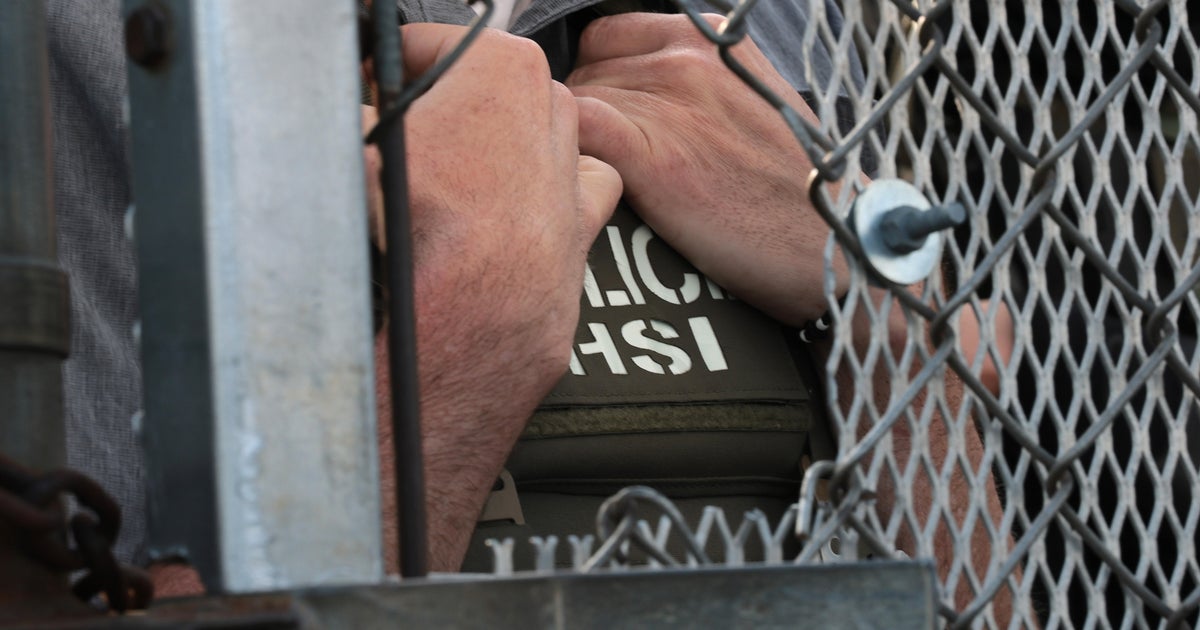
The FBI will defer investigations into alleged assaults on immigration agents to Homeland Security Investigations, following recent fatal shootings by federal immigration officers.
The FBI is no longer investigating cases where immigration agents are accused of hurting people. Instead, they will be investigated by a different agency called HSI. This change happened after some immigration agents shot and killed people in Texas and Maine.
Analysis
A Shift in Policy: FBI to HSI Investigations
The recent fatal shootings by federal immigration officers in Texas and Maine have led to a significant shift in policy. The FBI will no longer participate in investigations into cases involving alleged assaults on immigration agents. Instead, such investigations will be deferred to Homeland Security Investigations (HSI), an arm of Immigration and Customs Enforcement (ICE).
This change was first reported by The New York Times and has been confirmed by multiple sources familiar with the matter. The FBI field offices were informed of the change on Thursday, according to the sources.
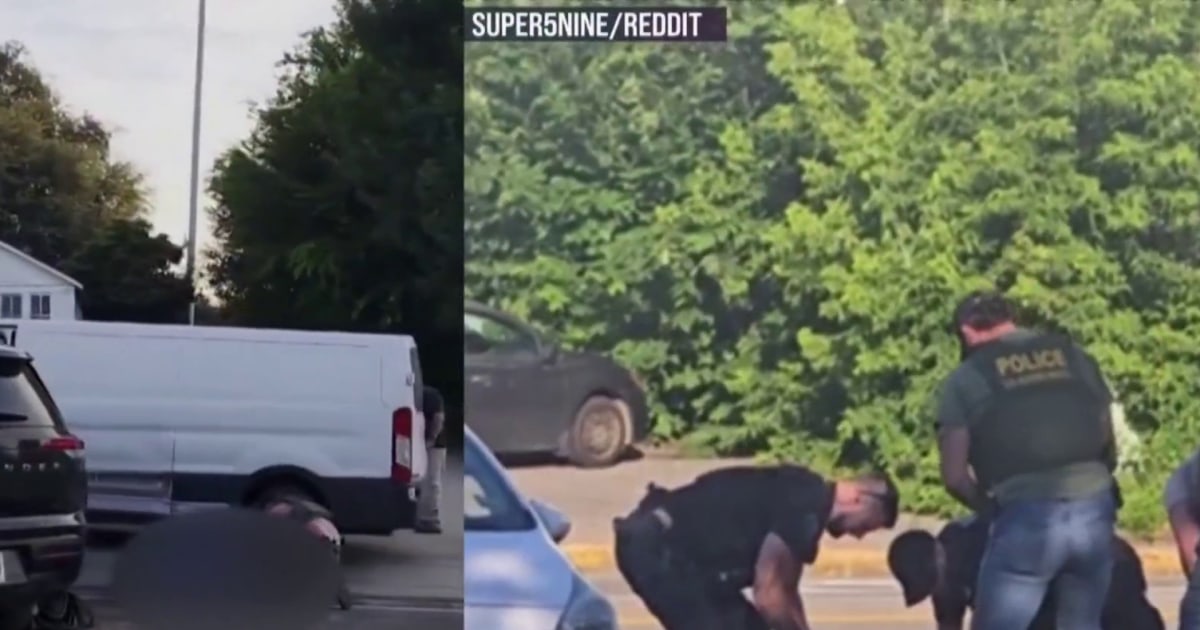
The shift comes after a series of high-profile incidents involving federal immigration officers. On July 7, an Immigration and Customs Enforcement officer shot and killed a Mexican national in Houston who had lived in the U.S. for decades. Days later, an ICE officer shot and killed a Colombian man in Biddeford, Maine.
The FBI earlier this year surged resources in Minnesota to investigate alleged assaults on immigration officers who were carrying out enforcement operations in Minneapolis. Some of those cases were later dismissed after prosecutors reviewed the evidence.
The issue became a flash point after a fatal encounter between an ICE officer and Renee Good. The Justice Department pressured the FBI and prosecutors to treat the investigation as an assault on a federal officer as opposed to a civil rights investigation into her killing, prompting several prosecutors and an FBI agent to resign.
When HSI was tasked with leading the federal investigation into the fatal shooting of Alex Pretti in Minneapolis in January, with the help of the FBI, the decision raised questions among current and former federal law enforcement officials. After concerns were raised, the FBI and the Civil Rights Division were ordered to take the lead on the probe. That investigation remains ongoing.
HSI is not typically tasked with investigating officer-involved shootings and is not structured or equipped to handle core elements of such cases, including ballistics analysis, forensic processing, firearm examinations, video review, and large-scale witness canvassing.
This shift in policy raises concerns about the investigation and accountability of federal immigration officers involved in fatal shootings. The decision to defer investigations to HSI has sparked questions about the agency's ability to handle such cases and the potential for a lack of transparency and accountability.
Key points
- The FBI will no longer participate in investigations into cases involving alleged assaults on immigration agents.
- Such investigations will be deferred to Homeland Security Investigations (HSI).
- The shift comes after recent fatal shootings by federal immigration officers in Texas and Maine.
- HSI is not typically tasked with investigating officer-involved shootings and is not structured or equipped to handle core elements of such cases.
The shift to HSI investigations may lead to more transparency and accountability in cases involving federal immigration officers. However, it also raises concerns about the agency's ability to handle such cases.
The decision to defer investigations to HSI may lead to a lack of transparency and accountability in cases involving federal immigration officers. This could result in a lack of justice for victims and their families.