What's wrong with Congress?
A majority of Americans are unhappy with Congress, citing a lack of cooperation between parties and a sense of gridlock. Critics point to the Republicans' control of the Senate and House, as well as President Trump's tendency to bypass Congress on key issues.
Intelligence analysis by Llama
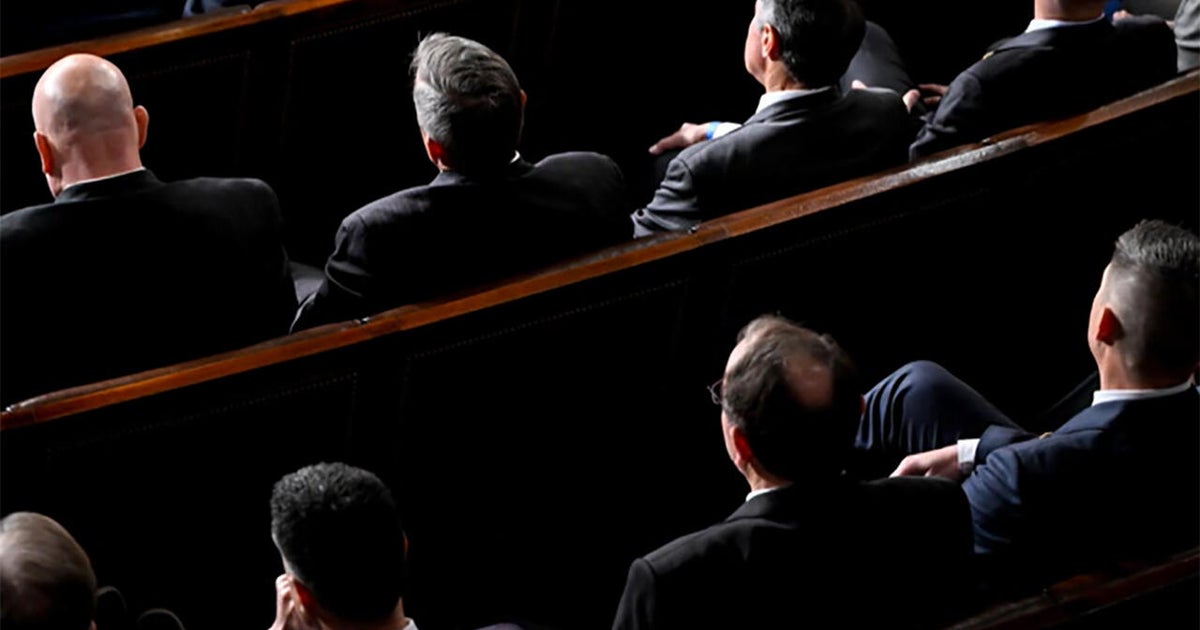
Congress is struggling to pass legislation due to a lack of cooperation between parties and an empowered president. Critics point to the Republicans' control of the Senate and House, as well as President Trump's tendency to bypass Congress on key issues.
Imagine you're trying to get a group of friends to agree on what game to play. But instead of just voting on a game, each friend has to convince the others that their game is the best. This is kind of like what's happening in Congress. The different parties can't agree on what laws to pass, so they're stuck. It's like they're all trying to play different games at the same time, but they can't agree on which game to play.
Analysis
A Broken Institution: The Decline of Congress
The nearly 9 in 10 Americans who say they're unhappy with Congress are not just expressing frustration with the institution's inability to pass legislation. They are also reflecting a deeper concern about the erosion of Congress's power and its role in the US system of government. As Carl Hulse, chief Washington correspondent for The New York Times, noted, 'Every time they make a joke, it's a law, and every time they make a law, it's a joke.' This quip, made by Will Rogers, a famed social commentator and actor, still rings true today. The fact is, under the Constitution, Congress really does have power. Article I is a real thing, and it's been ceded away by the Republicans in this Congress. They're giving away the store, and once you give away some power, you never get it back.
The Problem of Partisanship
The problem of partisanship is a major contributor to the decline of Congress. Both parties point the finger at the other for the mess, but the reality is that the legislative branch is struggling to make deals and pass legislation. As Sarah Binder, senior fellow at the Brookings Institution, noted, 'The muscle memory for how to make deals, how to legislate, how to solve problems? The muscles, they're there, but they've really atrophied.' This is a result of an empowered president who is willing to bypass Congress on key issues, as well as a sense of gridlock that has become a hallmark of modern politics.
The Consequences of a Weak Congress
The consequences of a weak Congress are far-reaching and have significant implications for the country. A Congress that is unable to pass meaningful legislation is unable to address pressing issues, such as the national debt, healthcare, and education. This has significant implications for the economy, as well as the well-being of citizens. As Philip Wallach, senior fellow at the American Enterprise Institute, noted, 'Today, people see their job as supporting the White House when it's their ally there – or fighting against them in various ways when it's the other party that has the presidency.' This is a recipe for disaster, as it creates a sense of gridlock and partisanship that is detrimental to the country.
Key points
- A majority of Americans are unhappy with Congress, citing a lack of cooperation between parties and a sense of gridlock.
- The Republicans' control of the Senate and House has contributed to the decline of Congress.
- President Trump's tendency to bypass Congress on key issues has further eroded the institution's power.
- The partisanship and gridlock that have become hallmarks of modern politics are deeply ingrained and will take significant effort to overcome.
- The empowered president and the judiciary are likely to continue to play a significant role in shaping policy, further eroding the power of Congress.
There is still hope for Congress to become more effective. With a new president and a shift in the balance of power, there may be opportunities for bipartisan cooperation and the passage of meaningful legislation. Additionally, there are efforts underway to reform the legislative process and make it more efficient.
The decline of Congress is a long-term trend that is unlikely to be reversed in the near future. The partisanship and gridlock that have become hallmarks of modern politics are deeply ingrained and will take significant effort to overcome. Additionally, the empowered president and the judiciary are likely to continue to play a significant role in shaping policy, further eroding the power of Congress.