FDA panel recommends easing some peptide restrictions despite disapproval from scientists
A Food and Drug Administration advisory committee narrowly voted in favor of loosening restrictions on peptides over strong objections from agency career scientists. The peptides have surged in popularity in recent years, touted by the wellness industry as well as high-pr…
Intelligence analysis by Llama
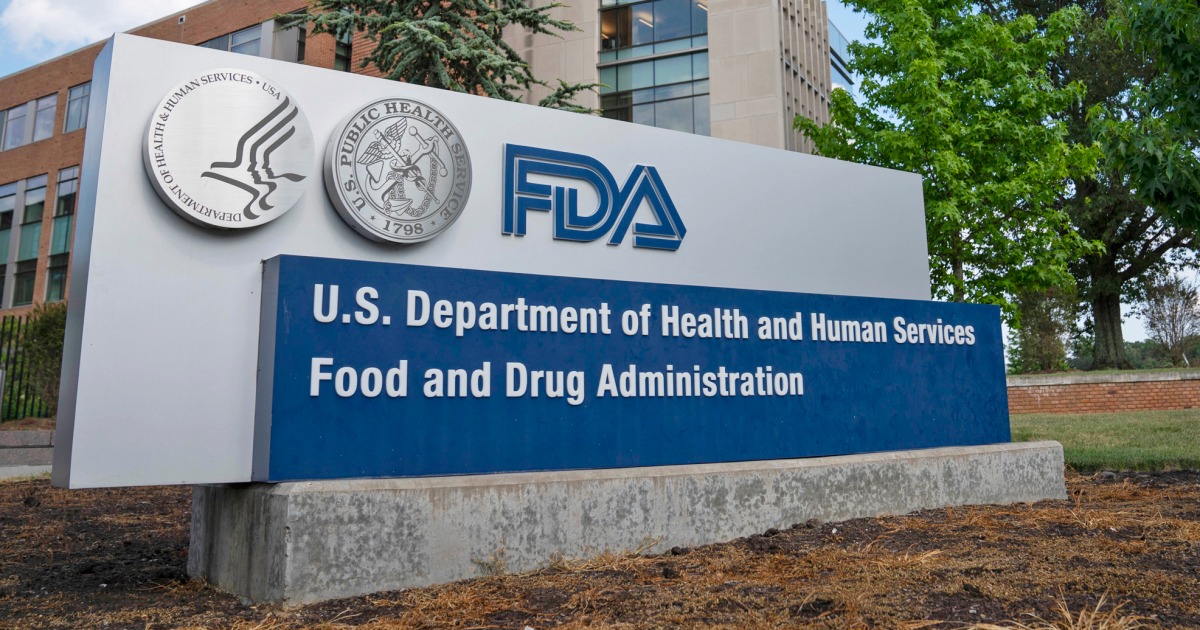
A Food and Drug Administration advisory committee voted in favor of loosening restrictions on peptides despite strong objections from agency career scientists. The peptides have surged in popularity in recent years, touted by the wellness industry and high-profile figures.
The FDA is considering loosening restrictions on peptides, which are compounds that have been promoted for a variety of uses, from anti-aging benefits to better sleep and faster healing. Some people are worried that the peptides might not be safe, while others think they could be helpful. The FDA will make a decision soon, but it's not clear what they will choose.
Analysis
A $60B Vote of Confidence
The FDA's decision to loosen restrictions on peptides is a significant development in the world of wellness and healthcare. The peptides have surged in popularity in recent years, touted by the wellness industry and high-profile figures including Health Secretary Robert F. Kennedy Jr. and podcaster Joe Rogan. The compounds are promoted for a variety of uses, from anti-aging benefits to better sleep and faster healing.
The FDA's Pharmacy Compounding Advisory Committee voted in favor of four peptides: BPC-157, KPV, TB-500 and MOTS-c. The committee's votes do not make the peptides FDA-approved drugs, but rather recommend that they be added to a list of drugs that compounding pharmacies are allowed to make. The final decision will come from the FDA in the form of a rule proposal.
The decision has been met with strong objections from agency career scientists, who have raised concerns about the lack of evidence supporting the use of the peptides and safety concerns. The FDA scientists reviewed the peptides for specific uses, but proponents of the compounds offered additional data for other uses during a public comment period. The lack of data didn't necessarily dissuade committee members from recommending the peptides, with some voting in favor of the compounds despite concerns about the gray market.
The decision could have significant implications for the use of peptides, which have been promoted for a variety of uses. The FDA's decision will come in the form of a rule proposal, and it remains to be seen how the agency will ultimately rule on the matter.
Why Cursor?
The FDA's decision to loosen restrictions on peptides is a complex issue, with both proponents and opponents of the compounds presenting their cases. The FDA scientists reviewed the peptides for specific uses, but proponents of the compounds offered additional data for other uses during a public comment period. The lack of data didn't necessarily dissuade committee members from recommending the peptides, with some voting in favor of the compounds despite concerns about the gray market.
The decision has been met with strong objections from agency career scientists, who have raised concerns about the lack of evidence supporting the use of the peptides and safety concerns. The FDA's decision will come in the form of a rule proposal, and it remains to be seen how the agency will ultimately rule on the matter.
The Road Ahead
The FDA's decision to loosen restrictions on peptides is a significant development in the world of wellness and healthcare. The peptides have surged in popularity in recent years, touted by the wellness industry and high-profile figures including Health Secretary Robert F. Kennedy Jr. and podcaster Joe Rogan. The compounds are promoted for a variety of uses, from anti-aging benefits to better sleep and faster healing.
The decision could have significant implications for the use of peptides, which have been promoted for a variety of uses. The FDA's decision will come in the form of a rule proposal, and it remains to be seen how the agency will ultimately rule on the matter.
Key points
- The FDA's Pharmacy Compounding Advisory Committee voted in favor of four peptides: BPC-157, KPV, TB-500 and MOTS-c.
- The committee's votes do not make the peptides FDA-approved drugs, but rather recommend that they be added to a list of drugs that compounding pharmacies are allowed to make.
- The decision has been met with strong objections from agency career scientists, who have raised concerns about the lack of evidence supporting the use of the peptides and safety concerns.
- The FDA's decision will come in the form of a rule proposal, and it remains to be seen how the agency will ultimately rule on the matter.
If the FDA ultimately decides to loosen restrictions on peptides, it could lead to safer and more effective treatments for a variety of conditions. Proponents of the compounds argue that they have been unfairly stigmatized and that the FDA's decision could help to move people away from the gray market and toward safer products.
If the FDA ultimately decides to loosen restrictions on peptides, it could lead to a surge in the use of unproven and potentially unsafe compounds. The lack of evidence supporting the use of the peptides and safety concerns have raised red flags among agency career scientists, and some experts worry that the FDA's decision could have unintended consequences.