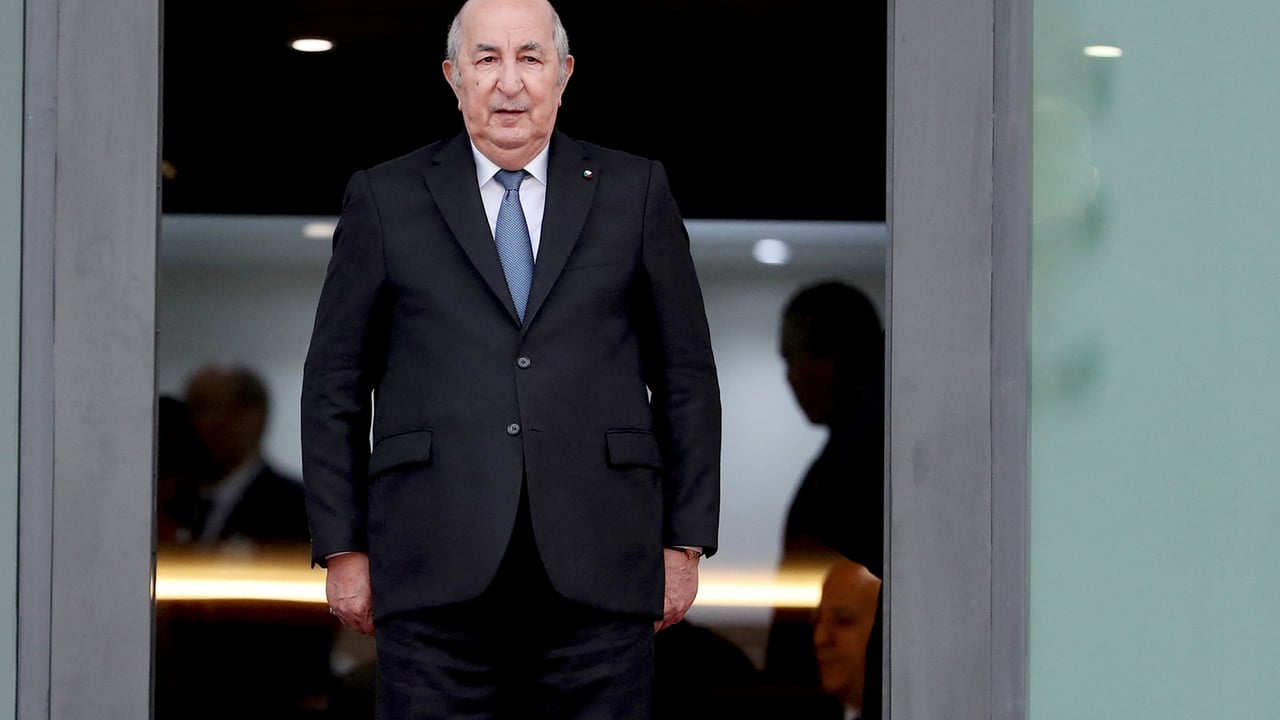
FG launches $1.07 billion programmes to strengthen PHCs, education, governance
The Nigerian federal government has launched over $1.07 billion in development programs aimed at strengthening primary healthcare, improving education and governance, and accelerating poverty reduction.
Intelligence analysis by Gemini 2.5 Flash
Nigeria's federal government is investing more than $1 billion in new initiatives to boost human capital development, focusing on primary healthcare, education, and governance. President Bola Tinubu introduced these programs, which also include support for internally displaced persons, as a core part of the nation's economic recovery strategy.
Imagine Nigeria is building a stronger house for its people. The government is spending over a billion dollars, like a huge piggy bank, to make sure everyone has good doctors nearby, better schools, and fair rules. It's all about helping people live healthier, learn more, and escape poverty, so the whole country can become stronger and happier.
Analysis
A Multi-Billion Dollar Commitment to Human Capital
The Nigerian federal government has embarked on an ambitious development agenda, unveiling programmes valued at over $1.07 billion. This substantial financial commitment is strategically directed towards bolstering critical sectors: primary healthcare, education, and governance. The overarching goal is to accelerate poverty reduction, aligning with President Bola Tinubu's broader economic recovery strategy for the nation.
The investment highlights a recognition of the foundational role these sectors play in national development. By targeting human capital, the government aims to create a healthier, more educated, and better-governed populace, which are essential ingredients for sustainable economic growth and societal well-being. The scale of the funding signals a serious intent to address long-standing challenges.
Strategic Pillars of the HOPE Programme
At the core of this initiative are several flagship programmes. The Human Capital Opportunities for Prosperity and Equity Governance (HOPE GOV) programme is allocated $500 million, focusing on improving governance structures and processes. Complementing this is the Primary Healthcare Provision Strengthening Programme (HOPE PHC), which receives $570 million, dedicated to enhancing the accessibility and quality of primary healthcare services across the country.
Beyond these two, the government also launched the Nigeria Community Action for Resilience and Economic Stimulus Additional Financing (NG CARES AF), designed to provide further economic stimulus and build community resilience. The broader HOPE programme encompasses HOPE GOV, HOPE PHC, and HOPE EDU (education), indicating a holistic approach to human development. Additionally, the Solutions for Internally Displaced Persons and Host Communities (SOLID) programme addresses the specific needs of vulnerable populations affected by displacement.
Addressing Nigeria's Development Imperatives
These programmes are not merely isolated initiatives but are integral to addressing Nigeria's pressing development imperatives. The focus on primary healthcare is crucial for improving public health outcomes, reducing maternal and child mortality, and combating infectious diseases at the grassroots level. Similarly, strengthening education is vital for equipping the youth with necessary skills, fostering innovation, and breaking cycles of poverty.
Improved governance, as targeted by HOPE GOV, is fundamental to ensuring transparency, accountability, and efficient resource allocation, which are often cited as barriers to development in many African nations. By integrating these efforts, the Tinubu administration aims to lay a robust foundation for a more prosperous and equitable Nigeria, tackling systemic issues that have historically impeded progress and ensuring that the benefits of economic recovery are widely distributed.
Key points
- The Nigerian federal government launched over $1.07 billion in development programmes.
- Programmes aim to strengthen primary healthcare, improve education, and enhance governance.
- Key initiatives include HOPE GOV ($500M) and HOPE PHC ($570M).
- The broader agenda seeks to accelerate poverty reduction and support economic recovery.
- Additional programmes like NG CARES AF and SOLID will support communities and internally displaced persons.
The substantial financial commitment and multi-sectoral approach could significantly improve access to quality healthcare, enhance educational outcomes, and foster more effective governance, potentially lifting millions out of poverty and strengthening Nigeria's human capital base.
Despite the significant investment, challenges such as corruption, inefficient implementation, and security issues could hinder the effective delivery of these programs, preventing the intended improvements in healthcare, education, and poverty reduction from reaching the most vulnerable populations.