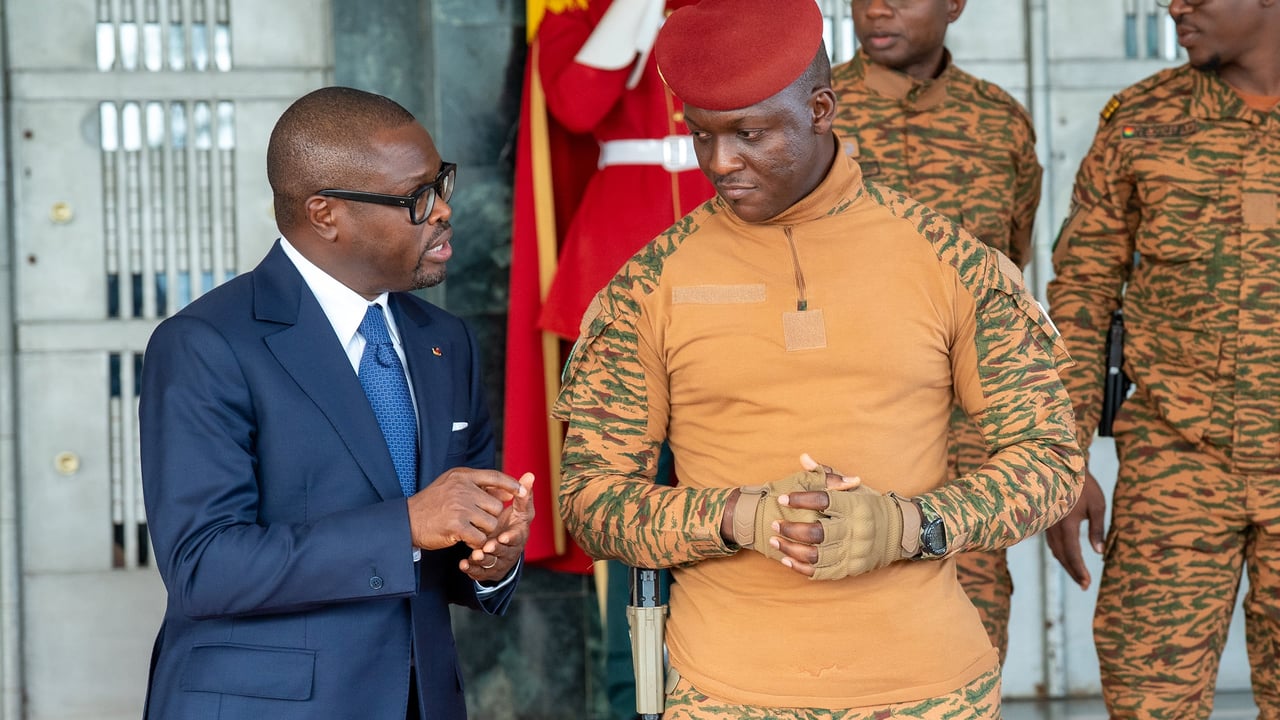
Mali-Algeria: The way out of the crisis as seen by Algiers
Algeria and Mali have surprisingly resumed full diplomatic relations, including the return of ambassadors and reopening of airspaces, after a 15-month crisis. Diplomatic sources indicate Algeria consistently worked behind the scenes for this rapprochement.
Intelligence analysis by Gemini 2.5 Flash
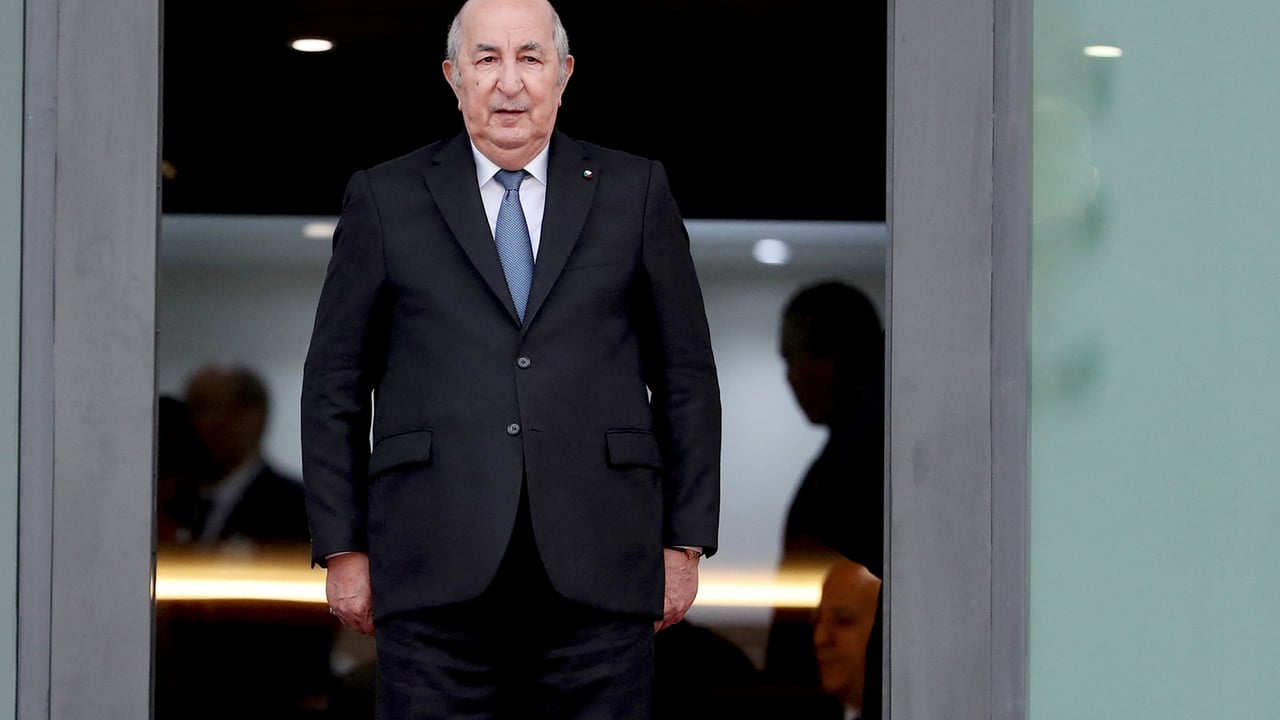
The unexpected restoration of diplomatic ties between Algeria and Mali on July 10th, marked by the return of ambassadors and reopened airspaces, concludes a prolonged 15-month diplomatic freeze. This détente, facilitated by Algeria's persistent behind-the-scenes efforts, including leveraging regional influence, signals a significant shift in bilateral relations.
Imagine two friends, Mali and Algeria, were really mad at each other for over a year and stopped talking. Suddenly, they decided to be friends again, sending their special messengers back and letting planes fly between them. It turns out one friend, Algeria, was secretly working hard to make things better, even talking to other friends to help smooth things over.
Analysis
Algeria's Quiet Diplomacy
The recent restoration of full diplomatic relations between Algeria and Mali on July 10, marked by the return of ambassadors and the reopening of airspaces, concluded a surprising 15-month period of acute diplomatic crisis. While the sudden détente caught many observers off guard, diplomatic sources cited by Jeune Afrique reveal that Algeria had been consistently working behind the scenes to facilitate this rapprochement. This sustained, discreet effort underscores Algeria's commitment to regional stability and its strategic patience in resolving bilateral disputes. A key aspect of Algeria's diplomatic strategy involved leveraging its established relationships with neighboring countries, specifically Burkina Faso and Niger. By engaging with Ouagadougou and Niamey, Algiers aimed to 'appease Bamako,' suggesting a coordinated regional approach to de-escalate tensions. This tactic highlights Algeria's significant influence within the Sahel and its capacity to act as a mediator, even when directly involved in a dispute.
The End of a Strained Chapter
The formal announcement on July 10 brought an immediate end to the prolonged diplomatic freeze that had seen both countries recall their top envoys and close their respective airspaces. This decisive step signifies a mutual desire to move past the period of strained relations and re-establish normal state-to-state interactions. The reopening of air corridors, in particular, has immediate practical implications, as noted by related reports suggesting a boon for several airlines, including Air France, Brussels Airlines, and Air Algérie, which can now resume or expand their services. Beyond the symbolic gestures, the resumption of full diplomatic ties is expected to pave the way for renewed cooperation across various sectors. While the article does not detail the specific causes of the 15-month crisis, its resolution suggests a willingness from both sides to prioritize shared interests over past grievances, potentially including discussions on economic partnerships, border management, and cultural exchanges.
Broader Regional Stability and Challenges
This reconciliation holds significant implications for the broader stability of the Sahel region, an area grappling with complex security challenges, including the persistent threat of jihadist groups. Tensions between key regional players like Mali and Algeria can inadvertently create vacuums or hinder coordinated efforts against these common enemies. Therefore, the restoration of trust and communication channels is a vital step towards fostering a more unified and effective regional response to insecurity. Furthermore, the diplomatic thaw could positively influence other regional dynamics. Neighboring countries, such as Mauritania and Guinea, have also faced spillover effects from the instability in Mali, including cross-border attacks and disruptions to trade. A more stable and cooperative relationship between Bamako and Algiers could indirectly alleviate some of these pressures, promoting greater regional cohesion and facilitating smoother cross-border interactions essential for economic vitality and collective security.
Key points
- Algeria and Mali resumed full diplomatic relations on July 10 after 15 months of crisis.
- The reconciliation includes the return of ambassadors and reopening of airspaces.
- Algerian diplomatic sources indicate Algeria worked continuously behind the scenes for the rapprochement.
- Algeria reportedly leveraged its relations with Burkina Faso and Niger to facilitate the détente.
- The normalization is expected to benefit air travel and contribute to regional stability.
The restoration of diplomatic ties could lead to enhanced regional cooperation on critical issues like counter-terrorism and economic development, fostering greater stability in the Sahel. The reopening of airspaces also promises a boost for air travel and trade, benefiting both nations and regional economies.
While diplomatic ties are restored, underlying issues that led to the 15-month crisis might resurface if not fully addressed, potentially leading to future instability. The article doesn't detail the root causes, suggesting a fragile peace that could be tested by ongoing regional security challenges.