Fifa to announce record $15bn World Cup revenue, smashing expectations
Fifa expects $15bn in World Cup revenue, far above its $11bn target. Hospitality and secondary ticket sales are driving much of the increase.
Intelligence analysis by GPT-5.4 Mini
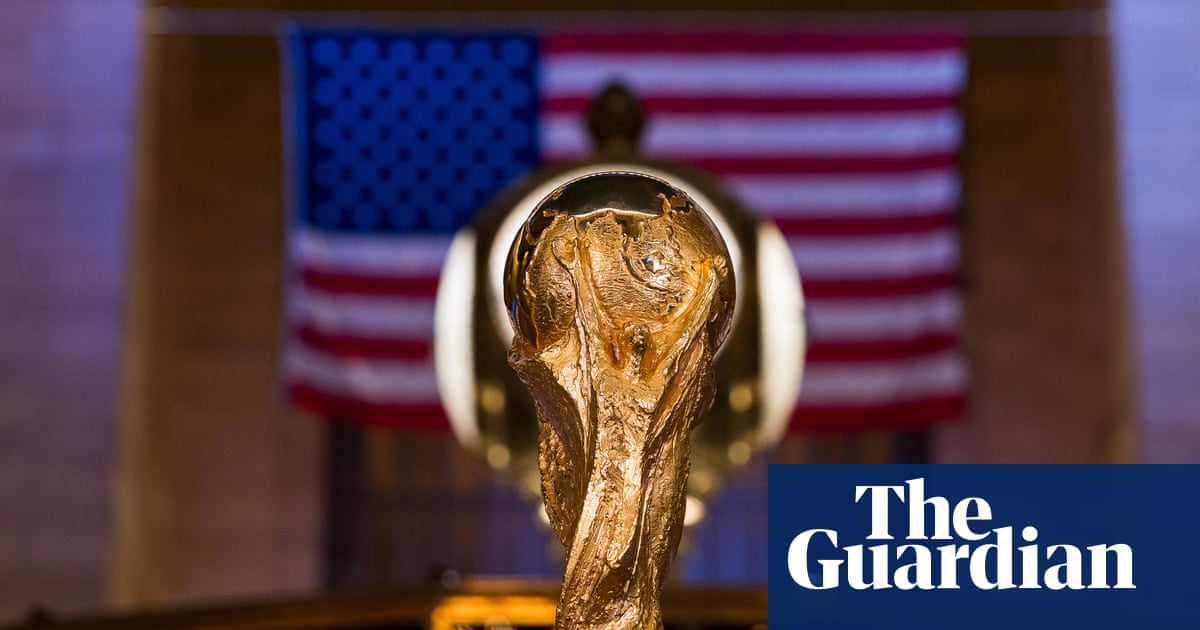
The World Cup is becoming an even bigger money machine than Fifa expected, with premium hospitality and resale ticket fees doing a lot of the work. The windfall should help member associations, while also strengthening Gianni Infantino after a bruising month of controversy.
Fifa made way more money from the World Cup than it thought it would, like a concert selling out the pricey VIP seats faster than expected. That extra cash can help football groups around the world, and it also gives Fifa's boss more power.
Analysis
Premium Seats, Premium Margins
Fifa's revised revenue figure shows how much modern tournament economics depend on high-margin inventory rather than just mass attendance. The article says hospitality and the secondary ticket market account for a significant share of the increase, which suggests that elite-priced experiences are doing disproportionate financial heavy lifting.
That matters because it changes the character of the World Cup business. When a sporting event can generate record income through luxury packages and resale fees, the economics tilt toward scarcity, exclusivity, and price optimization rather than broad fan access.
The article also notes Fifa's cut of 15% from both buyer and seller on the secondary market. That is a clean example of how governing bodies can turn control over access into direct revenue, even when ordinary match tickets remain finite.
Cash For Member Associations
The story is not only about Fifa's own balance sheet. The piece says football associations are likely to benefit from the expanded pot, though the details have not been finalized, which means the extra money may become a distribution issue as much as a commercial one.
For associations that rely on Fifa support, larger revenues can translate into more room for development funding, operational support, or political loyalty. In practical terms, cash often becomes the easiest way to keep a global federation aligned, especially when the governing body is under scrutiny.
That dynamic gives the revenue headline real economic weight beyond the tournament itself. The size of the pot can affect how resources flow through the sport's global hierarchy and how willing members are to challenge the center.
Infantino's Financial Shield
The article frames the windfall as a boost for Gianni Infantino after a controversy-filled month in the United States, Canada, and Mexico. More than 200 member associations have reportedly pledged support for his re-election, and the prospect of extra funds may make public dissent less likely.
That is the political edge of a financial story: money can stabilize leadership. When a federation announces more revenue than expected, it does not just improve budgets, it can also quiet internal criticism by making the incumbent look effective and well backed.
The article also ties the bonanza to future hosting ambitions, including Trump's call for the United States to host again and talks about the 2029 Club World Cup. That suggests the revenue surge may strengthen the case for more U.S.-centered events, where Fifa sees both commercial upside and political leverage.
Key points
- Fifa expects $15bn in World Cup revenue, above its earlier $11bn target.
- Hospitality and secondary ticket sales are a major source of the increase.
- Fifa reportedly takes 15% from both buyers and sellers in the resale market.
- Member associations may benefit from the larger revenue pool, though details are not final.
- The financial result appears to strengthen Gianni Infantino after a contentious month.
If the revenue boost is shared broadly, football associations could receive more funding than expected. That could support development work and make Fifa's finances look stronger going into future tournaments.
The money comes with reputational risk because the article links a lot of the boost to expensive hospitality and resale fees. Continued controversy around Fifa's decisions could also make the windfall harder to turn into broad trust or lasting goodwill.