‘Flamin’ cockatoos’ have lost much of their habitat to bushfires. Can the species survive?
Bushfires burned much of Wyperfeld National Park’s breeding habitat for endangered pink cockatoos. Conservationists are racing to replace the lost tree hollows they need to nest.
Intelligence analysis by GPT-5.4 Mini
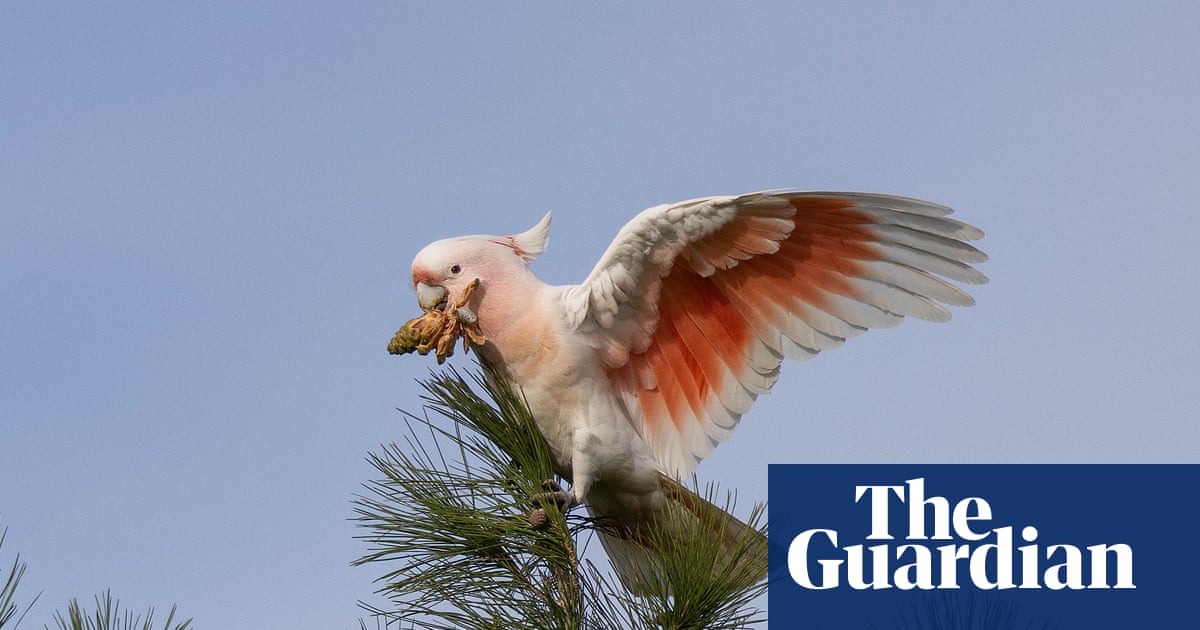
A major bushfire has wiped out most of the core habitat for pink cockatoos in Victoria’s Wyperfeld National Park, threatening the birds’ breeding future. Conservation workers are building artificial hollows, but old trees that took decades to form are still disappearing.
Pink cockatoos need very old trees with holes to raise their chicks, like a bird-sized apartment building. Big fires burned many of those trees, so helpers are making fake tree holes to give the birds somewhere safe to live.
Analysis
What burned
Wyperfeld National Park in north-west Victoria is a key breeding area for endangered pink cockatoos, also known as Major Mitchell’s cockatoos. The article says January’s fires scorched about 70% of the birds’ core “pine plains” habitat inside the park, following earlier fires in 2014 that already caused severe losses.
Why the birds are so vulnerable
The cockatoos depend on very old native cypress pines for breeding hollows and use them as an important food source. Ecologist Victor Hurley says the trees need to be ancient before they are useful, and many of the biggest cavity-bearing pines were already rare because of land clearing and past fires. Before the latest blaze, 178 large native pines were recorded in the burnt zone; now only a handful remain.
What conservationists are doing
Hurley and volunteers from the Mallee Woodpeckers have spent years monitoring the birds and trying to offset the shortage of nesting sites. The article describes artificial hollows made from living or dead standing trees: a section is cut out, a cavity is carved inside, and the outside is patched back to weatherproof it. About 150 of these hollows have been added with Parks Victoria.
The bigger picture
The piece places Wyperfeld in a wider fire-stressed landscape, noting that other endangered birds have also lost major shares of their habitat in recent fires. The central question is whether habitat repairs can keep pace with repeated fire events before the species loses too much of its breeding base.
Key points
- Wyperfeld National Park lost about 70% of the cockatoos’ core habitat in the January bushfires.
- Pink cockatoos rely on ancient cypress pines for nesting hollows and food.
- Older fires in 2014 had already destroyed most cavity-bearing trees in part of the park.
- Conservationists have added about 150 artificial hollows to reduce nest competition.
- The article warns that repeated fires are pushing an endangered species into a tighter squeeze.
If the artificial hollows work, they could give the cockatoos enough nesting places while the forest slowly regrows. The partnership between Hurley, volunteers, and Parks Victoria also creates a model for helping other fire-hit birds.
If more fires come before the pines can recover, the birds may keep losing the old trees they depend on. Artificial hollows can help, but they cannot quickly replace centuries-old habitat at the scale the species has lost.