Flock tries to make its cameras harder for cops to misuse
Surveillance company Flock is mandating its Audit Assistance tool, requiring police to enter case codes for searches, and shortening ALPR data retention from 30 days to 7 days for new customers.
Intelligence analysis by Llama
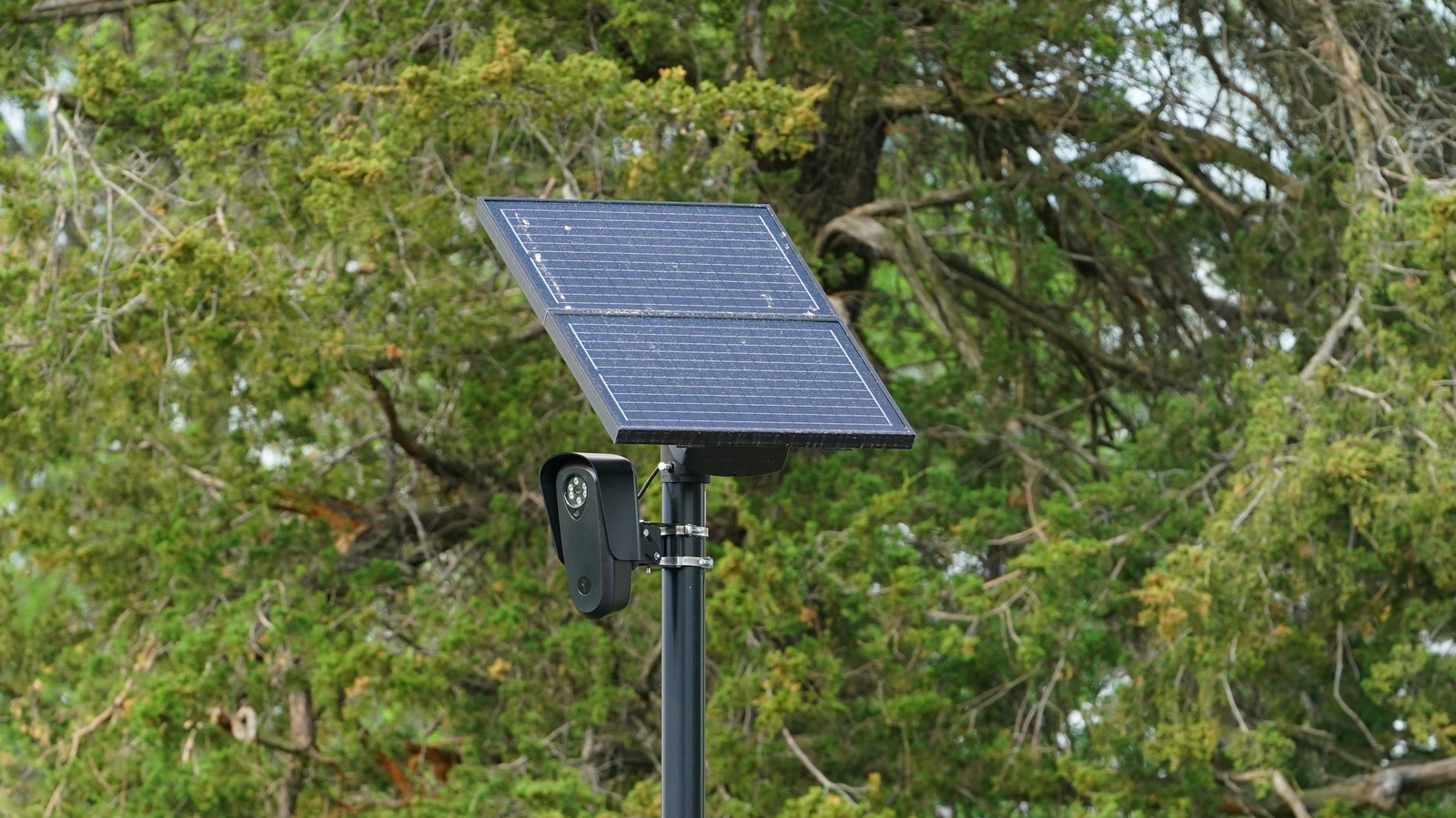
Flock is responding to years of criticism over police misuse of its automated license plate reader network by mandating an audit feature, requiring case codes, and cutting default data retention from 30 days to a week. Existing customers keep their longer retention settings, and the company stops short of addressing broader civil liberties concerns.
Flock makes cameras that read license plates, and some police officers have been using them to spy on people they know or to help with things they shouldn't. The company is now making a safety check required and asking cops to type in a reason every time they search, plus it will only keep the plate pictures for one week instead of a month for new customers.
Analysis
Garrett Langley's about-face
Flock CEO Garrett Langley has historically been combative toward critics, once calling a website that tracked the company's cameras "terroristic," according to the article. The Verge interview quoted in the piece shows a markedly different posture, with Langley conceding, "It took me maybe longer than it should have to realize the sheer impact of the company," and describing the case-code requirement as an obvious abuse curb. The article notes he has since apologized for his earlier language and attributes the softer stance to severe public backlash. The shift is notable because Langley's combative reputation had become part of the story itself, and his willingness to admit the company "got this one wrong" on mandatory auditing is the most concrete signal yet that Flock recognizes reputational risk as an existential concern.
The 30-to-7-day retention window
The single most quantifiable change is the reduction of Automated License Plate Reader (ALPR) data retention from 30 days to one week, though the article stresses this default only applies to new customers. Existing agencies can retain their "democratically approved retention periods," which in practice means most of Flock's deployed footprint will keep the longer window. There are also carve-outs even for new customers, with exceptions for "cases that take longer," such as "an active investigation in cold storage." That structure softens the privacy upside considerably. Critics from the ACLU and the Electronic Frontier Foundation have argued that Flock's cameras are far more capable than simple plate readers, and a one-week retention on the metadata does not necessarily constrain the more invasive capabilities the company is accused of underplaying.
Los Angeles cuts ties with Flock
The article highlights Los Angeles as the highest-profile law enforcement agency to sever its relationship with Flock, framing a broader pattern of pushback that includes vandalism, theft, and entire camera inventories disappearing overnight in places like a Minnesota town whose police department said it would not replace the devices. The piece also surfaces graver allegations, including claims that Flock data has been shared with ICE and that cameras have been used to track a woman seeking an abortion, alongside the figure of at least 24 reported deaths in ICE custody in 2026. These details matter because they suggest the technical safeguards Langley is announcing address only the narrowest slice of what critics object to. Even if every cop stopped running personal searches tomorrow, the underlying camera network, its federal data-sharing arrangements, and its longer customer-tailored retention windows would remain largely intact.
Key points
- Flock is making its Audit Assistance feature mandatory, flagging "abnormal search behavior" and locking out suspicious users pending administrator review
- Police must now enter case codes to run searches, though administrators can override the requirement in certain scenarios
- ALPR data retention is being shortened from 30 days to 7 days, but only for new customers; existing agencies keep their current settings
- CEO Garrett Langley apologized for earlier combative rhetoric and acknowledged the company "got this one wrong" on auditing
- Critics including the ACLU and EFF argue the cameras are far more capable than simple license plate readers, and the changes do not address allegations of data sharing with ICE or use to track abortion seekers
If the mandatory Audit Assistance tool and case-code requirement are enforced consistently, the most common forms of personal misuse, such as officers searching for ex-partners or running snooping queries, become far easier to detect and discipline. The shortened retention window for new deployments also shrinks the pool of historical data available for mission creep, and Langley's public acknowledgment that the company "got this one wrong" could open space for more substantive reform.
Because the data retention cut only applies to new customers, the vast majority of currently deployed Flock cameras will continue storing plate reads for 30 days or longer, and the case-code requirement can be overridden by administrators. The policy changes do nothing to address the broader concerns raised by the ACLU and EFF about the cameras' true capabilities, the alleged sharing of data with ICE, or the use of the network to track abortion seekers and interstate marijuana buyers, which are the issues driving vandalism, agency defections, and the most serious civil liberties objections.