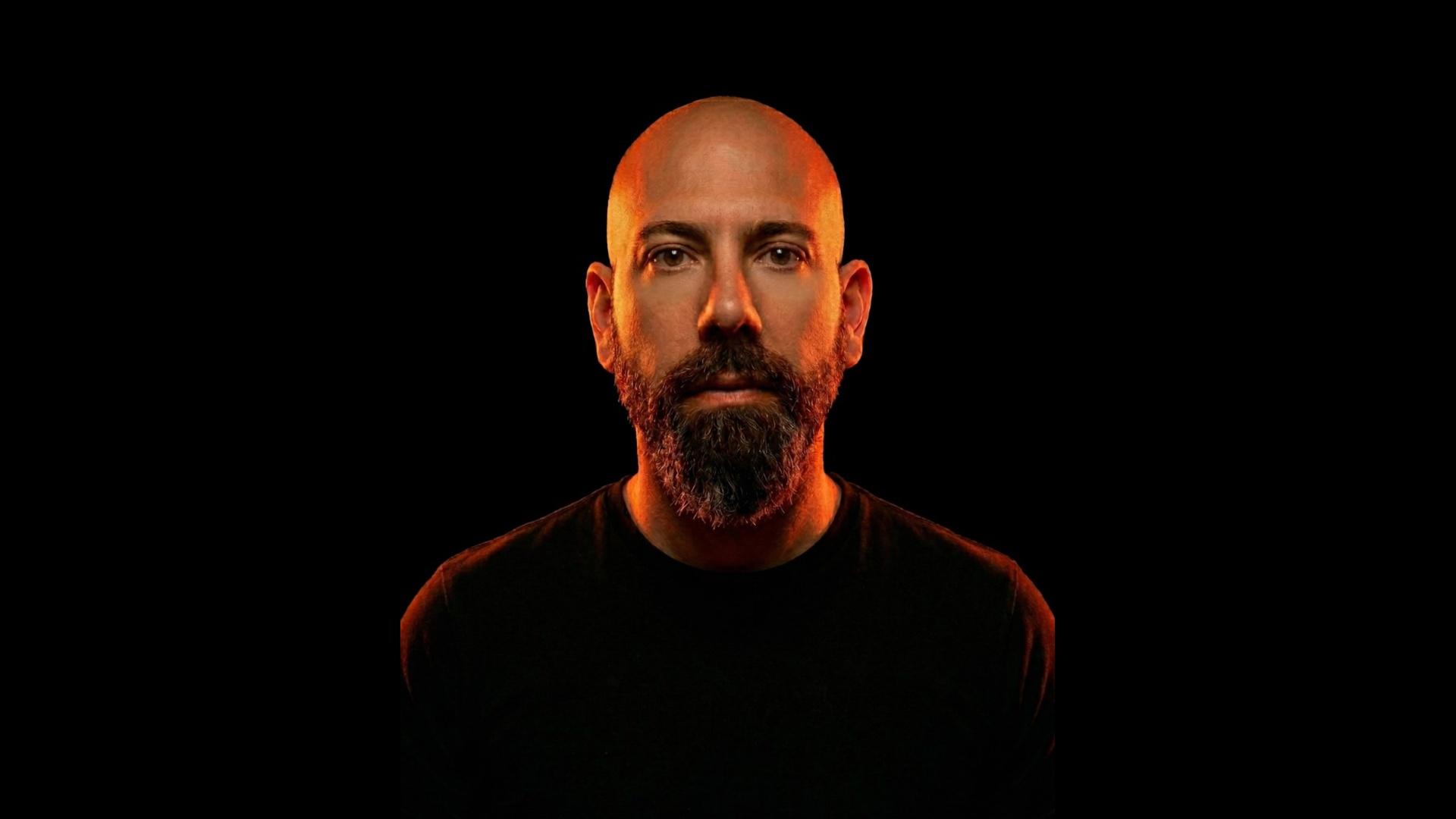
Florida Candidate Liquidates $800K in Bitcoin to Bankroll Congressional Bid
Florida candidate Michael Carbonara sold 10 bitcoin for $800,000 to fund his congressional run. He is pitching crypto-style transparency and on-chain accountability.
Intelligence analysis by GPT-5.4 Mini
A Republican fintech founder running for Florida's 22nd District says he turned 10 bitcoin into $800,000 in USDC to support his campaign. He is casting himself as a pro-crypto candidate in a newly open race.
A man running for Congress sold some of his bitcoin so he could pay for his campaign. He turned it into a dollar-linked crypto coin, which is easier to spend like normal money.
He is also telling voters he likes crypto and wants more things tracked openly on a blockchain. That means he wants records that are harder to hide and easier to check.
It is a bit like selling a rare trading card to buy posters and flyers for a school election. The card is the bitcoin, and the campaign materials are the race for office.
Analysis
What happened
Michael Carbonara, a Republican fintech entrepreneur and founder of the digital banking and payments company Ibanera, says he sold 10 bitcoin for $800,000 in Circle's USDC to help finance his congressional campaign.
The political setup
Carbonara is running for Florida's 22nd Congressional District, which has become more competitive after a recent redistricting process made the seat more open. The article frames him as part of a newly shaped battleground race, with crypto now part of his campaign pitch.
Why the bitcoin sale matters
The conversion of bitcoin into stablecoin cash reflects a practical use of crypto assets: turning volatile holdings into campaign spending power. That is notable because it shows a candidate using personal digital assets to self-fund a race rather than treating bitcoin as a passive store of value.
Carbonara is also presenting himself as a pro-crypto voice. According to the story, he wants to push accountability on-chain, including in areas such as campaign finance and the federal budget. The article does not provide evidence of policy proposals beyond that framing, but it does show how crypto is being used as both a funding source and a political message.
Bigger picture
The piece sits at the intersection of politics and crypto adoption. A candidate liquidating bitcoin for campaign cash is not a market-moving event by itself, but it is a visible example of how digital assets are moving into mainstream political fundraising and identity.
Key points
- Michael Carbonara sold 10 bitcoin for $800,000 to fund his congressional campaign.
- He converted the bitcoin into Circle's USDC, a dollar-linked stablecoin.
- Carbonara is running for Florida's 22nd Congressional District after a redistricting change made the race more open.
- The article says he is pitching on-chain accountability in campaign finance and government budgeting.