Florida lawsuit alleges wrongful arrest after police AI facial recognition error
A Florida man says faulty police facial recognition led to his arrest and prosecution despite living 300 miles away. His lawsuit, backed by the ACLU, says officers ignored evidence that would have cleared him.
Intelligence analysis by GPT-5.4 Mini
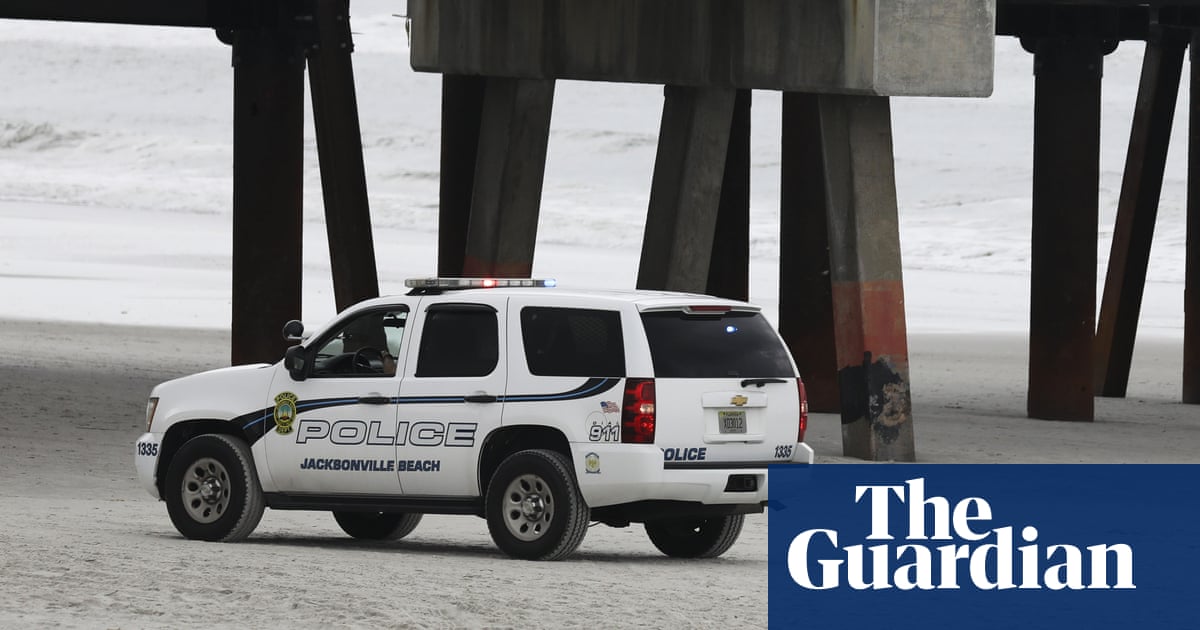
Robert Dillon says Jacksonville Beach police used AI facial recognition to wrongly identify him in a child-luring case, even though he lived hundreds of miles away. The lawsuit argues investigators ignored exculpatory evidence and that the case shows the risks of unreliable face-recognition policing.
Police used a computer face-matching tool that got the wrong person, like picking the wrong name from a blurry school photo. A man says that mistake led to his arrest, even though he lived far away and had proof he was not there.
Analysis
What happened
Robert Dillon, a 52-year-old Florida man who lives in Fort Myers, says he was wrongly arrested and prosecuted after police used facial recognition software to identify him in a McDonald’s surveillance image from Jacksonville Beach. According to the article, the software returned a 93% probability match, and police accused him of trying to lure a child.
Why Dillon says the arrest was flawed
The lawsuit, filed by the ACLU on Dillon’s behalf, says investigators ignored evidence that should have cleared him. It alleges that license plate readers showed none of Dillon’s vehicles near the restaurant and that he told detectives he had never been to Jacksonville Beach. The complaint also says the image fed into the Faces system was a poor-quality cellphone screen grab, not a clean digital copy of the footage.
The lawsuit further claims police did not challenge a witness statement describing the suspect as a regular customer, even though Dillon lived hundreds of miles away. It names the Jacksonville Beach police department, the Jacksonville sheriff’s office, and Pinellas County Sheriff Bob Gualtieri, whose agency runs the Faces system and leases it to other law enforcement agencies.
Broader implications
The Guardian says this may be at least the 15th known U.S. case in which a false facial-recognition match led to arrest or charges. The article places Dillon’s case in a wider debate over AI oversight, arguing that police systems are advancing faster than regulation and accountability. Dillon says he is still dealing with the fallout, including lasting stigma from the mugshot and the accusation itself.
Key points
- A Florida man says police wrongly arrested and prosecuted him after a facial recognition match tied him to a child-luring investigation.
- The ACLU-backed lawsuit says investigators ignored evidence that showed he was 300 miles away from the scene.
- The complaint says the image used by the software was low quality and that police failed to properly test the match against other evidence.
- The article says the case may be at least the 15th in the U.S. involving an arrest or charge after a false facial-recognition identification.
- The story highlights mounting concern that AI facial recognition is outpacing oversight and safeguards.
If the lawsuit succeeds, it could force police agencies to add stricter checks before using facial recognition in arrests. That could reduce false matches and make officers rely more on ordinary evidence instead of trusting software alone.
If agencies keep using weak facial recognition without safeguards, more innocent people could be arrested and publicly stigmatized. The article suggests the reputational harm can linger even after charges are dropped.