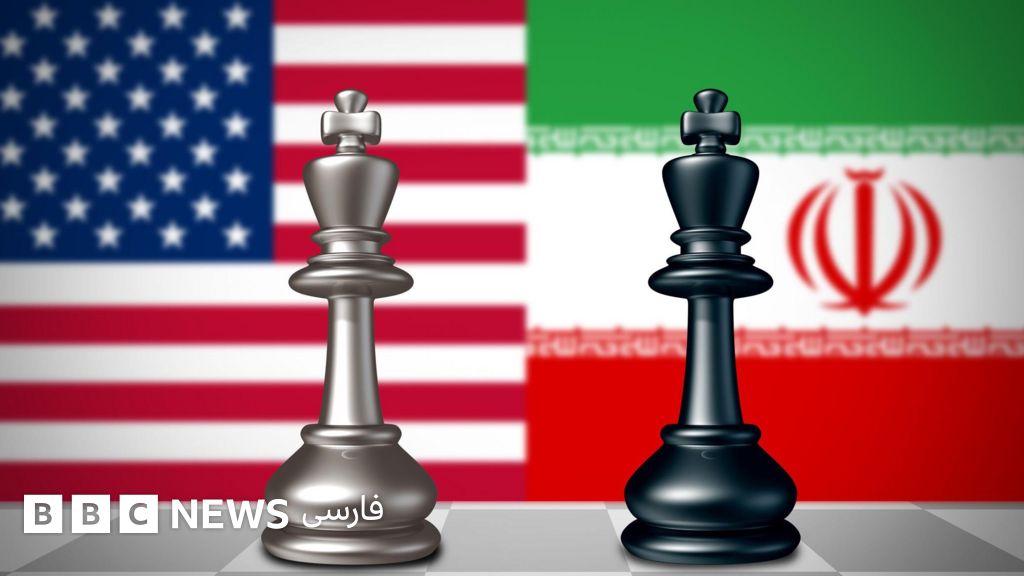
FM spox: Tehran rejects negotiations on extension of MoU btw Iran, US
Iran has categorically rejected any negotiations on extending the 60-day period of the Islamabad memorandum of understanding (MoU) with the US, citing US violations and emphasizing that Tehran does not formulate policies under pressure. Concurrently, Iran is demanding cla…
Intelligence analysis by Gemini 2.5 Flash

Iran's Foreign Ministry Spokesman Esmaeil Baghaei announced Tehran's firm refusal to extend a 60-day MoU with the US, asserting that the US violated the agreement from the outset and Iran will not succumb to artificial deadlines. He also highlighted Iran's ongoing diplomatic efforts to ascertain the status of three Iranian pilots believed to be captured by Qatari forces following a de…
Imagine two big kids, Iran and the US, had a plan to talk about something important, but Iran says the US broke the rules right away, so Iran won't talk about extending their chat time. At the same time, Iran is really worried about three of its pilots who went missing after a fight near Qatar and thinks Qatar might be holding them. Iran is asking Qatar to tell them what happened and let the pilots go, like asking a friend to return your lost toy.
Analysis
Iran's recent declarations, articulated by Foreign Ministry Spokesman Esmaeil Baghaei, underscore a resolute foreign policy that prioritizes national interests over external pressures and perceived artificial deadlines. The rejection of negotiations to extend the 60-day period of the Islamabad memorandum of understanding (MoU) with the United States is a significant indicator of Tehran's current diplomatic posture. This stance is rooted in the assertion that the US violated the MoU from its inception, rendering any discussion about its extension irrelevant from Iran's perspective. The emphasis on independent decision-making, free from foreign compulsion, reflects a long-standing principle in Iranian foreign policy, particularly concerning its nuclear program and regional security. This firm position suggests that Iran is unlikely to yield to international pressure tactics, preferring to chart its own course based on internal assessments rather than external timelines.
Islamabad memorandum of understanding
The Islamabad memorandum of understanding, a document that envisaged negotiations on the nuclear issue within 60 days, has become a focal point of contention. Iran's Foreign Ministry Spokesman Esmaeil Baghaei explicitly stated that no negotiations commenced, and the United States' actions constituted a violation of the understanding from the very beginning. This interpretation by Tehran effectively nullifies the 60-day deadline in Iran's view, removing any obligation to adhere to it or discuss its extension. The Iranian government's insistence that it does not formulate policies under pressure or artificial deadlines highlights a strategic approach aimed at maintaining sovereignty and control over its diplomatic agenda. This rejection signals a hardening of Iran's position regarding its engagement with the US, suggesting that future interactions will likely be on Iran's terms or not at all, at least concerning this specific framework.
Four Iranian pilots
A deeply concerning humanitarian and diplomatic issue has emerged with Iran's demand for clarification on the fate of four Iranian pilots. These pilots went missing after a March 2 strike on a US military base in Qatar, with Iran now asserting that three of them were captured alive by Qatari forces. Brigadier General Mohammad Bagherzadeh, commander of the Missing in Action Search Committee, has formally appealed to the International Committee of the Red Cross (ICRC), citing the Third Geneva Convention concerning prisoners of war. This development adds a new layer of complexity to regional dynamics, placing Qatar in a delicate position between Iran and the US. Tehran's persistent diplomatic efforts and direct appeal to the ICRC underscore the gravity of the situation and its determination to ascertain the pilots' status and secure their release, potentially escalating tensions if a satisfactory resolution is not found.
Strait of Hormuz
The article also touches upon the strategic importance of the Strait of Hormuz, with Iran's spokesman addressing US claims about changing priorities regarding Iran. Baghaei dismissed Washington's shifting concerns, particularly regarding the Strait, as a justification for its failures and a sign of confusion. He pointed out that the Strait of Hormuz was open before any aggression, implying that US actions have complicated rather than secured the vital waterway. Iran's powerful Armed Forces are reportedly monitoring developments closely, reinforcing Tehran's commitment to its security interests in the region. This focus on the Strait of Hormuz underscores its critical role in global energy markets and regional security, suggesting that any escalation or miscalculation in the broader US-Iran standoff could have significant implications for international shipping and oil supplies.
Key points
- Iran has unequivocally rejected negotiations on extending the 60-day Islamabad MoU with the US, citing US violations from the outset.
- Foreign Ministry Spokesman Esmaeil Baghaei stated Iran will not formulate policies under pressure or artificial deadlines.
- Iran is actively pursuing the fate of three Iranian pilots believed to be captured alive by Qatari forces after a March 2 strike on a US base.
- Brigadier General Mohammad Bagherzadeh has appealed to the ICRC, invoking the Third Geneva Convention for prisoners of war.
- Iran's Armed Forces are closely monitoring regional developments, and Tehran views US claims about changing priorities as a justification for past failures.
Should Qatar provide clear information on the missing Iranian pilots and facilitate their release, it could de-escalate a significant humanitarian concern and prevent further strain on Iran-Qatar relations. A swift resolution to this issue could demonstrate effective diplomatic channels and potentially pave the way for more constructive regional dialogue on other matters.
If Qatar fails to clarify the pilots' fate or secure their release, it could severely strain Iran-Qatar relations, potentially leading to increased diplomatic pressure or other retaliatory measures from Iran. Coupled with Iran's firm rejection of extending the MoU with the US, this could signal a period of heightened regional tensions and a lack of progress on critical diplomatic fronts.