Gambling on Time; Iran and America on the Brink of a New Phase of War?
A sixty-day deadline for a comprehensive agreement between Iran and the US on ending conflict, Iran's nuclear program, and reopening the Strait of Hormuz has expired without resolution, pushing both nations closer to a prolonged confrontation.
Intelligence analysis by Gemini 2.5 Flash
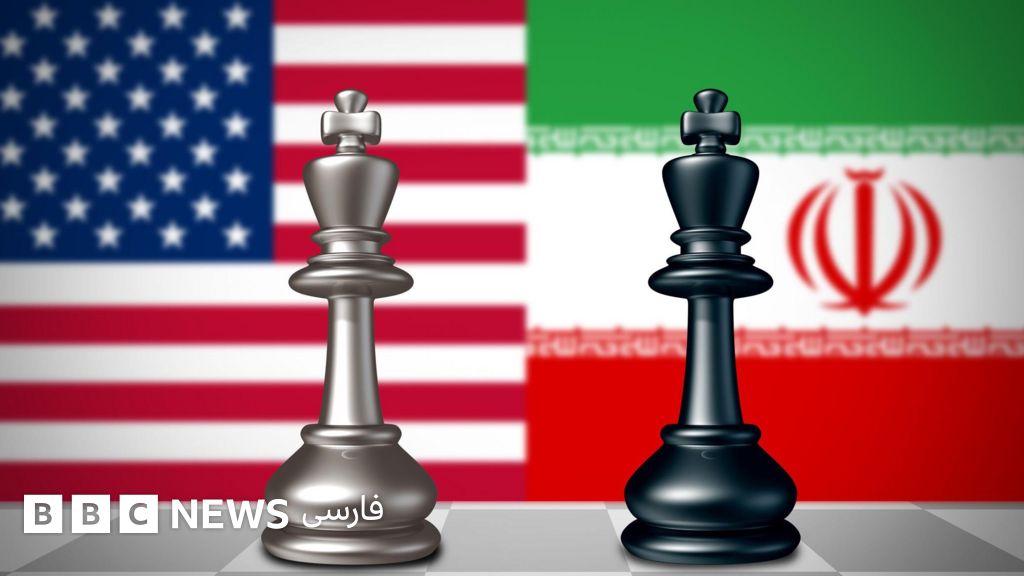
As a critical deadline passes, US media reports divergent strategies: the Trump administration intensifies economic pressure and naval blockade, while parts of Iran's leadership view periods of calm as opportunities to prepare for a larger war, transforming the conflict into a test of endurance.
Imagine two kids, Iran and America, were given 60 days to agree on sharing their toys and playing nicely. But the time ran out, and they couldn't agree! Now, one kid (America) is trying to make the other kid (Iran) give in by taking away their snacks, while the other kid (Iran) is secretly getting ready for a bigger fight, thinking the quiet time was just a trick. It's like they're both waiting to see who gets tired first.
Analysis
The recent expiration of a sixty-day deadline for a comprehensive agreement between Iran and the United States marks a critical juncture, signaling a potential shift from diplomatic efforts to a prolonged confrontation. This period was intended to address the cessation of conflict, Iran's nuclear program, and the reopening of the Strait of Hormuz. However, instead of a resolution, both nations appear to be bracing for an extended period of tension, characterized by economic warfare and strategic military preparations. The situation, as depicted by American media, highlights a dangerous stalemate where each side gambles on time, hoping to outlast the other.
Sixty-Day Deadline
The article highlights the failure of a crucial sixty-day deadline, which was established following a memorandum of understanding signed on June 17. This period was initially seen by Trump administration officials as a potential pathway to de-escalation and the reopening of the Strait of Hormuz, a vital global shipping lane. The inability to reach a broader agreement within this timeframe underscores the deep-seated mistrust and divergent objectives between Washington and Tehran.
For a segment of Iran's leadership, this "ceasefire" was not a step towards peace but a strategic window. They reportedly viewed the reduction in US attacks as an opportunity to bolster their defenses and prepare for a more significant military engagement. This perception directly contradicts the US hope for de-escalation, revealing a fundamental misinterpretation or deliberate exploitation of the interim period by Iranian factions.
Wall Street Journal
The Wall Street Journal's report, "Iran's Secret Plan to Escalate the War," provides a stark assessment of Iran's strategic calculus. Based on intercepted communications and intelligence from Arab security agencies, the report suggests a deliberate shift in Tehran's strategy towards expanding the scope of the conflict. This includes measures such as increasing the influence of the Revolutionary Guard Corps (IRGC), boosting the production of missiles and drones, and enhancing counter-espionage capabilities.
Furthermore, the Journal details Iran's alleged coordination with allied groups in Iraq, Yemen, and Lebanon. Commanders were reportedly dispatched to Yemen to work with the Houthis, providing them with intelligence and a list of potential targets, including Saudi Arabian ports and energy facilities. This indicates a proactive strategy by Iran to raise the costs for the US and its regional allies, suggesting that Tehran is not merely reacting but actively shaping the battlefield.
Scott Bessent
Amidst these military preparations, the economic dimension of the conflict is intensifying, with US Treasury Secretary Scott Bessent announcing unprecedented new economic measures against Iran. This move signifies a return to a strategy of sanctions and naval blockades, reminiscent of previous US administrations' efforts to isolate Iran economically. The goal is to exert maximum pressure, particularly on Iranian oil buyers and associated financial networks, to compel Tehran to alter its stance.
However, a core disagreement persists, creating a deadlock. Iran demands the unblocking of its frozen assets as a prerequisite for any concessions, while the Trump administration insists on Iran first removing restrictions in the Strait of Hormuz. This fundamental impasse means both sides are effectively "gambling on time," each believing that prolonged pressure or preparation will eventually force the other to yield, prolonging the crisis indefinitely.
Key points
- A 60-day deadline for a comprehensive US-Iran agreement on conflict resolution, nuclear program, and Strait of Hormuz reopening expired without success.
- The Trump administration is intensifying economic pressure and naval blockades against Iran.
- The Wall Street Journal reports that parts of Iran's leadership used the period of reduced attacks to prepare for a larger war, increasing IRGC influence, missile production, and counter-espionage.
- Iran has reportedly coordinated with allied groups in Iraq, Yemen, and Lebanon, providing intelligence and potential targets in Saudi Arabia.
- Both sides are "gambling on time," hoping the other will concede first, leading to a stalemate in the crisis.
The expiration of the deadline without an agreement, coupled with Iran's reported preparations for wider conflict and the US's intensified economic pressure, suggests a high likelihood of increased regional instability, potential military confrontations, and further economic hardship for Iran.