Food Inflation Calculator: See How Much Your Grocery Basket in Iran Has Risen
BBC Persian built a calculator that estimates how much a chosen grocery basket in Iran has risen over a year and over five years.
Intelligence analysis by GPT-5.4 Mini
The piece explains that food prices in Iran have climbed faster than many other everyday costs, leaving many people feeling official inflation does not match their weekly shopping bills. Its calculator lets users select items in a monthly basket and compare today’s cost with the same month one and five years earlier.
The article is like a grocery bill calculator for Iran. A person picks the foods they usually buy, and it shows how much more expensive that same basket has become, like checking how a shopping cart got heavier without buying anything extra.
Analysis
What the calculator does
BBC Persian says inflation in Iran has been on an upward path since the mid-2010s, and that food prices in particular have risen faster than other consumer goods and services. The result, the article notes, is a gap between official inflation figures and what many people feel when they shop for groceries each week.
The calculator is designed to make that gap visible. Users can choose items from a monthly food basket and enter the amount they usually buy. The tool then estimates how much that basket costs now, and compares it with the average cost in the same month one year earlier and five years earlier. From that, it calculates the annual inflation rate people would feel for those items and the longer-term increase in cost.
How the BBC says it works
The article says the calculations are based on official statistics for average food prices in urban areas of Iran. It also says the tool uses the most recent month for which data has been publicly released. That means the calculator is not a personal spending tracker; it is a way to apply national price data to a household shopping list.
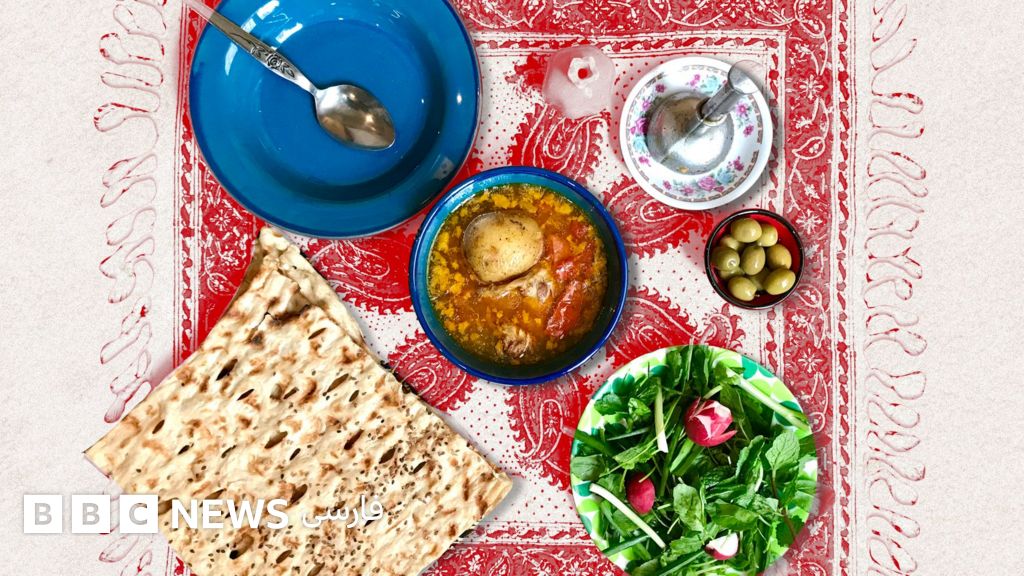
The basket includes staple items such as rice, meat, milk, yogurt, cheese, eggs, oil, fruit, vegetables, beans, sugar, tea, and tomato paste. The article frames this as a way to show how much a typical table has become more expensive over time.
Why the piece is important
This is less a breaking-news report than a practical explainer on inflation. It gives readers a concrete way to test how much purchasing power has been lost in one of the most sensitive parts of daily life: food.
Key points
- BBC Persian says food prices in Iran have risen faster than many other consumer costs since the mid-2010s.
- The calculator lets users build a monthly grocery basket and compare its cost with the same month one year and five years earlier.
- The tool is based on official average food prices in urban areas of Iran.
- Its purpose is to show the inflation people feel in everyday shopping, not just the official headline rate.
If the calculator helps people understand price changes more clearly, it could make inflation feel less abstract and easier to compare across time. It may also help readers see exactly which foods have become more expensive, using official price data rather than guesswork.
The calculator also underlines how strongly food costs have risen, which may deepen frustration with the gap between official inflation and daily life. Because it relies on urban average prices and the latest publicly available month, it may still feel distant from the reality of individual households.