Food price fears after Europe’s heatwave destroys estimated €2bn of crops
A heatwave in June has destroyed an estimated €2bn worth of crops in Europe, sparking concerns about food prices. The continent's grain farmers have lost 9m tonnes of crops, with the UK, France, Hungary, and Spain being the hardest hit.
Intelligence analysis by Llama
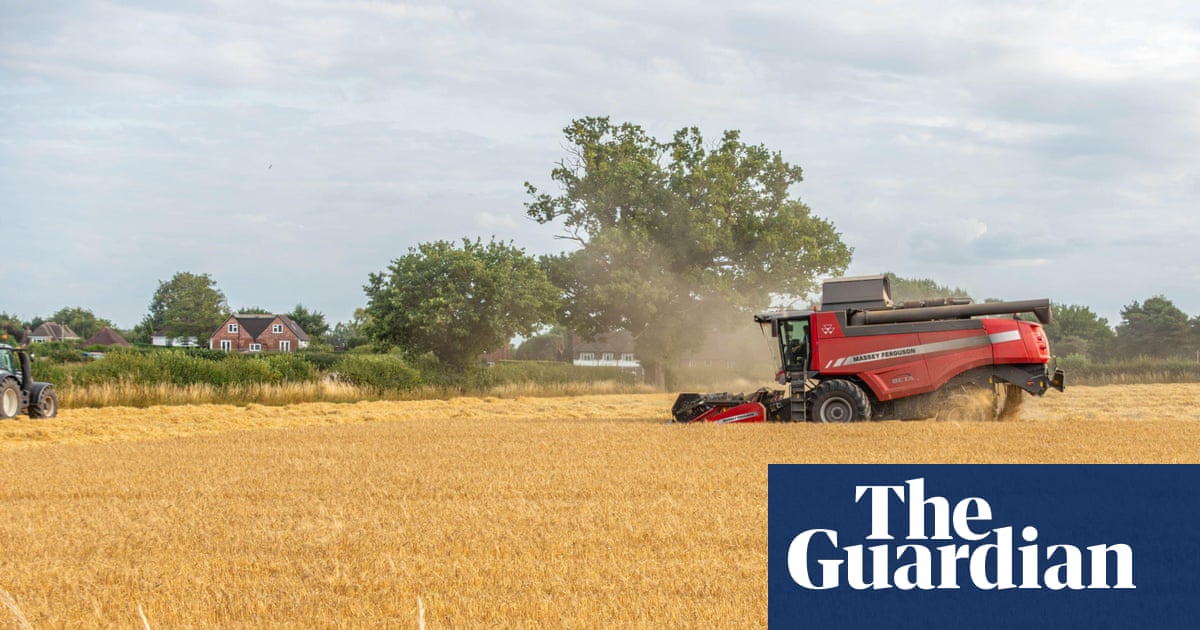
Europe's heatwave has destroyed an estimated €2bn worth of crops, leading to concerns about food prices. The UK, France, Hungary, and Spain are among the countries most affected, with 9m tonnes of crops lost.
A heatwave in June has destroyed a lot of crops in Europe, which might make food more expensive. This is bad news for farmers and people who eat food. The heatwave was especially bad for crops like maize and wheat, which need water to grow. Now, Europe might have to import more grain from other countries, which could make food prices go up.
Analysis
A €2bn Loss for European Farmers
The heatwave that swept across Europe in June has had a devastating impact on the continent's grain farmers. An estimated €2bn worth of crops has been destroyed, with the UK, France, Hungary, and Spain being the hardest hit. The loss of 9m tonnes of crops is a significant blow to European food security and has sparked concerns about the impact on food prices.
The heatwave has had a particularly severe impact on maize and wheat crops, which were affected during the crucial pollination and grain fill periods, respectively. Maize was affected during the pollination period, while wheat was affected during the grain fill period, when cereals need moisture to fill out. This has resulted in significant yield losses for many farmers, with some reporting losses of up to 70% for certain crops.
The impact of the heatwave on European food security is significant. The continent is already heavily reliant on grain imports, and the loss of crops will only exacerbate this problem. The shortfall in European grain production will push global commodity prices higher, making food more expensive for consumers.
The Road Ahead
The road ahead for European farmers is uncertain. The heatwave has highlighted the need for farmers to adapt to changing weather conditions, and the need for more resilient crops that can withstand extreme weather events. The European Union has already taken steps to support farmers affected by the heatwave, including providing financial assistance and implementing measures to improve crop resilience.
However, more needs to be done to support farmers and ensure that European food security is maintained. This includes investing in research and development to improve crop resilience, as well as implementing measures to reduce the impact of extreme weather events on agriculture.
Key points
- A heatwave in June has destroyed an estimated €2bn worth of crops in Europe.
- The UK, France, Hungary, and Spain are among the countries most affected, with 9m tonnes of crops lost.
- The loss of crops has significant implications for food prices and European food security.
- The European Union has already taken steps to support farmers affected by the heatwave, including providing financial assistance and implementing measures to improve crop resilience.
If the European Union can implement measures to improve crop resilience and reduce the impact of extreme weather events on agriculture, the continent's food security could be maintained. This would involve investing in research and development to improve crop yields and implementing measures to support farmers affected by the heatwave.
The loss of crops due to the heatwave could lead to a significant increase in food prices, making it harder for people to afford basic necessities. This could have a disproportionate impact on vulnerable populations, such as the poor and those living in food-insecure areas.