Former Stars and Stripes editor-in-chief says his firing 'was a real shock'
The former editor-in-chief of Stars and Stripes, Erik Slavin, said his firing by the Pentagon was a 'real shock' and a 'very unexpected' development. He hopes the paper can remain editorially independent.
Intelligence analysis by Llama
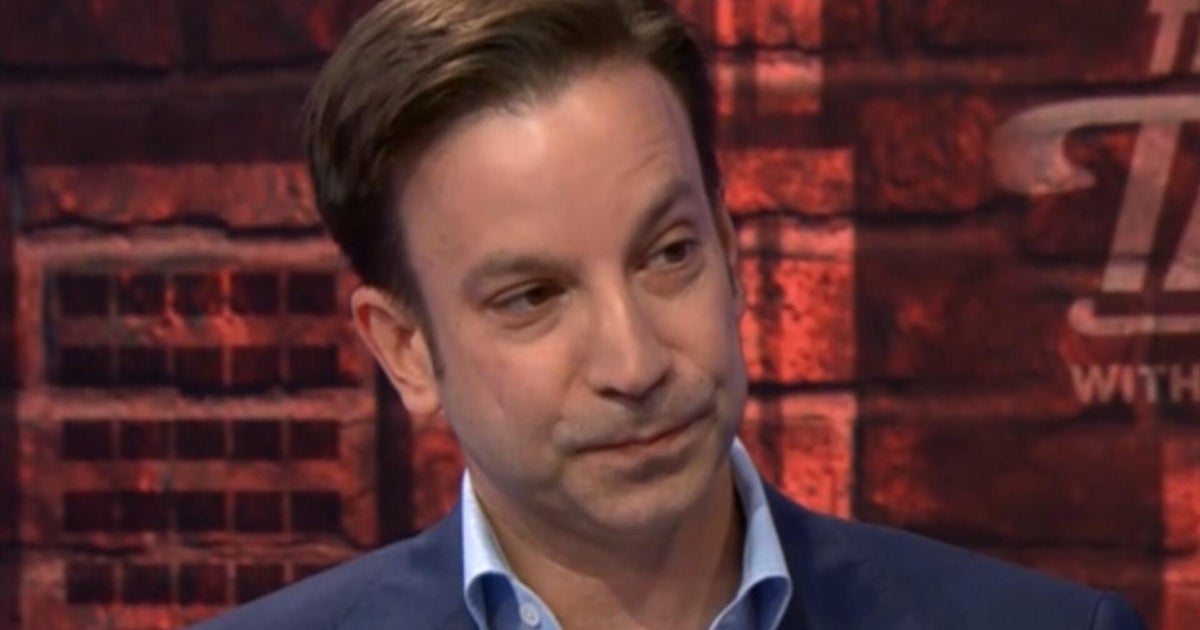
The former editor-in-chief of Stars and Stripes, Erik Slavin, was fired by the Pentagon, sparking concerns about the paper's editorial independence. Slavin hopes the paper can remain independent and continue to provide 'the straight truth' to service members.
Imagine you're a soldier serving overseas, and you want to know what's really going on in the military. That's what Stars and Stripes is for - to give you the straight truth. But the Pentagon just fired the editor-in-chief, which means the paper might not be able to report on the military without the government's approval. This is a big deal because it could affect the paper's ability to tell the truth about what's really going on in the military.
Analysis
Pentagon's Firing of Stars and Stripes Editor-in-Chief: A Blow to Editorial Independence?
The sudden firing of Erik Slavin, the editor-in-chief of Stars and Stripes, by the Pentagon has sent shockwaves through the journalism community. The stated reason for his termination was his appearance in a CBS Sunday Morning report on the Trump administration's push to overhaul the paper. However, Slavin maintains that his comments were a 'hypothetical response' to a hypothetical scenario, and that he was simply describing censorship, which is in line with Department of Defense regulations and the law itself.
The Pentagon's actions raise concerns about the future of the paper's editorial independence. Stars and Stripes has historically operated independently, despite being partly funded by U.S. taxpayers. The paper's goal is to provide 'the straight truth' to service members, and its readership has been declining since its peaks during the Vietnam War, the Cold War, and World War II. However, an average of 1.4 million people see Stars and Stripes each day, and print editions overseas also reach service members in remote locations.
The Pentagon's push to change the paper's operations and modernize its content has been met with resistance from the paper's leadership. Last week, publisher Max Lederer told colleagues he planned to retire at the end of September, citing fundamental differences with the Trump administration. And on Friday, Lederer, Slavin, and Middle East reporter Lara Korte were terminated. Slavin told CBS News that he 'certainly hopes' the paper can remain independent in some way, but 'time will tell.'
The Pentagon's actions have also sparked concerns about the paper's ability to report on the military without government interference. Last year, reporters who cover the Pentagon were told that in order to maintain daily access to the building, they would need to sign on to a host of rules, including a restriction on 'soliciting' sensitive information from military personnel. CBS News and many other media outlets declined to sign the policy, leading dozens of reporters to turn in their press credentials. The Pentagon has denied that it is seeking to control what reporters can publish, calling the rules necessary to prevent harmful leaks. A judge struck down many of the new rules earlier this year, and the military replaced them with a requirement that all journalists be escorted while inside the Pentagon.
The Pentagon's actions have contributed to a loss of transparency and accountability in the military. As Slavin noted, 'there used to be a time … where in the Pentagon, it was very simple for military officials to talk with journalists very frankly.' 'I think it contributed to the nation's knowledge of what the U.S. military was doing, and I fear that we're losing that,' he said.
The future of Stars and Stripes and its editorial independence remains uncertain. However, one thing is clear: the paper's ability to report on the military without government interference is crucial for service members and the public.
Key points
- The Pentagon fired the editor-in-chief of Stars and Stripes, sparking concerns about the paper's editorial independence.
- The stated reason for the firing was the editor's appearance in a CBS Sunday Morning report on the Trump administration's push to overhaul the paper.
- The Pentagon's actions raise concerns about the future of the paper's ability to report on the military without government interference.
- The paper's leadership has expressed a commitment to remaining independent, but the Pentagon's changes may ultimately lead to a loss of transparency and accountability in the military.
The Pentagon's actions may be a wake-up call for the paper to re-evaluate its editorial independence and find ways to maintain its autonomy. The paper's leadership has expressed a commitment to remaining independent, and the Pentagon's changes may ultimately lead to a more transparent and accountable military.
The Pentagon's actions may be a sign of a larger trend of government control over the media. If the paper is unable to maintain its editorial independence, it could lead to a loss of transparency and accountability in the military, and ultimately harm the public's right to know.