Four days of extreme rain in Indonesia killed 7% of world’s rarest great apes, study finds
A study says extreme rain and landslides in North Sumatra killed 58 Tapanuli orangutans, about 7% of the species.
Intelligence analysis by GPT-5.4 Mini
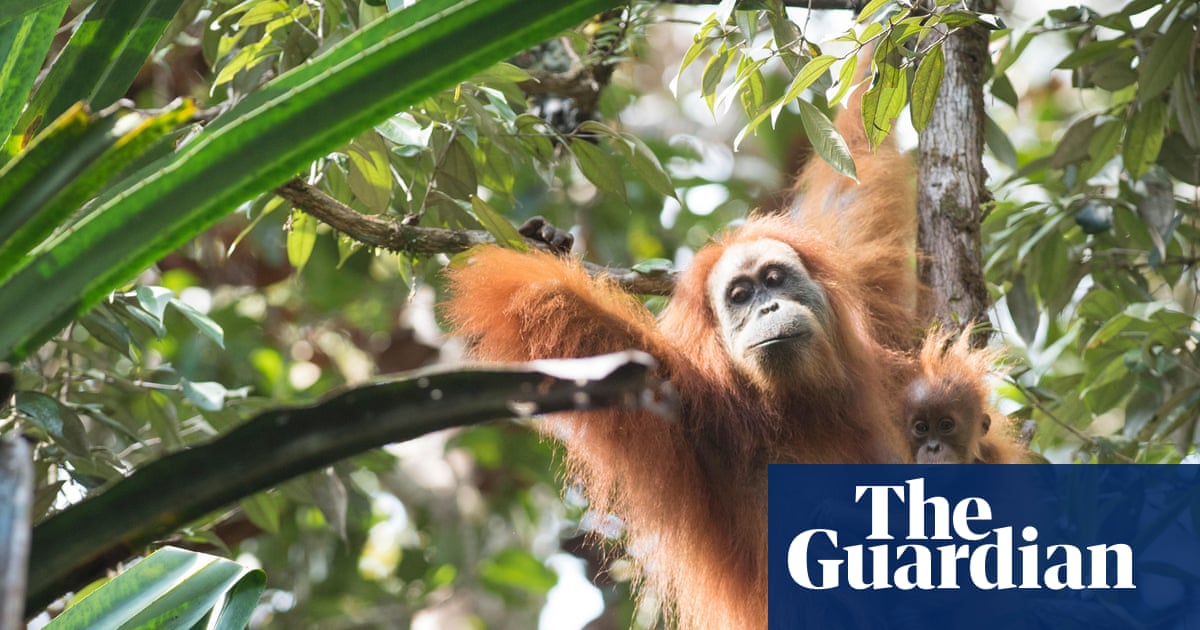
Researchers say climate-fuelled rainfall and landslides in Indonesia devastated the tiny Tapanuli orangutan population, killing 58 animals and wiping out a large share of its remaining habitat. The findings raise new fears that the world’s rarest great ape could be pushed closer to extinction.
A huge rainstorm caused mudslides that hurt the tiny forest home of a very rare ape in Indonesia. It was like a tree house getting smashed in a storm, except the tree house was the orangutan’s whole neighborhood.
Analysis
What happened
Researchers say more than 1,000mm of rain fell over four days in North Sumatra in November 2025, triggering landslides in the Batang Toru ecosystem, the main home of the Tapanuli orangutan. Their analysis suggests 58 of the roughly 800 remaining apes died, which is about 7% of the species and 11% of the local population.
Why the damage was so severe
The study combines satellite imagery with estimates of ape density to assess the impact of Cyclone Senyar on the West Block of Batang Toru. The scientists say about 8,300 hectares of key forest, or 11.7%, were destroyed by landslides. They also say human-caused climate change, driven by fossil fuel burning, increased rainfall intensity by up to 50%.
The conservation warning
The Tapanuli orangutan was already under pressure from mining, palm oil plantations, and a hydropower project. Prof Serge Wich called the loss "tragic" and said that in fragmented landscapes, climate events can have population-level consequences. Prof Jatna Supriatna described the deaths as a "devastating demographic shock" and warned that preventing the first modern extinction of a great ape species will require permanent protection of Batang Toru and outside funding for biodiversity recovery.
What happens next
Researchers recommend an immediate moratorium on land-use activities that degrade the remaining habitat and an expansion of protected areas. The Indonesian government has temporarily paused major industrial activity in the area while scientists assess how best to secure the orangutan’s long-term survival and the risks to nearby people.
Key points
- Researchers say extreme rain and landslides in North Sumatra killed 58 Tapanuli orangutans in November 2025.
- That is about 7% of the world’s remaining population of the rare ape.
- About 8,300 hectares of key forest habitat were reportedly destroyed by landslides.
- The study says climate change increased rainfall intensity and worsened the disaster.
- Scientists are calling for protected areas and a halt to harmful land use in Batang Toru.
The government pause on major industrial activity gives scientists time to study the damage and think through protections. If the recommended moratorium and expanded protected areas are adopted, they could help stabilize the last remaining population.
If habitat loss continues and stronger rain events keep hitting the region, the species could keep shrinking quickly. Previous research cited in the story says losses as small as 1% a year could still lead to eventual extinction.