Four mobile operators in Egypt referred to prosecution over illegal SIM cards
Egypt's telecom regulator referred all four mobile operators to prosecutors over SIM cards registered without users' knowledge.
Intelligence analysis by GPT-5.4 Mini
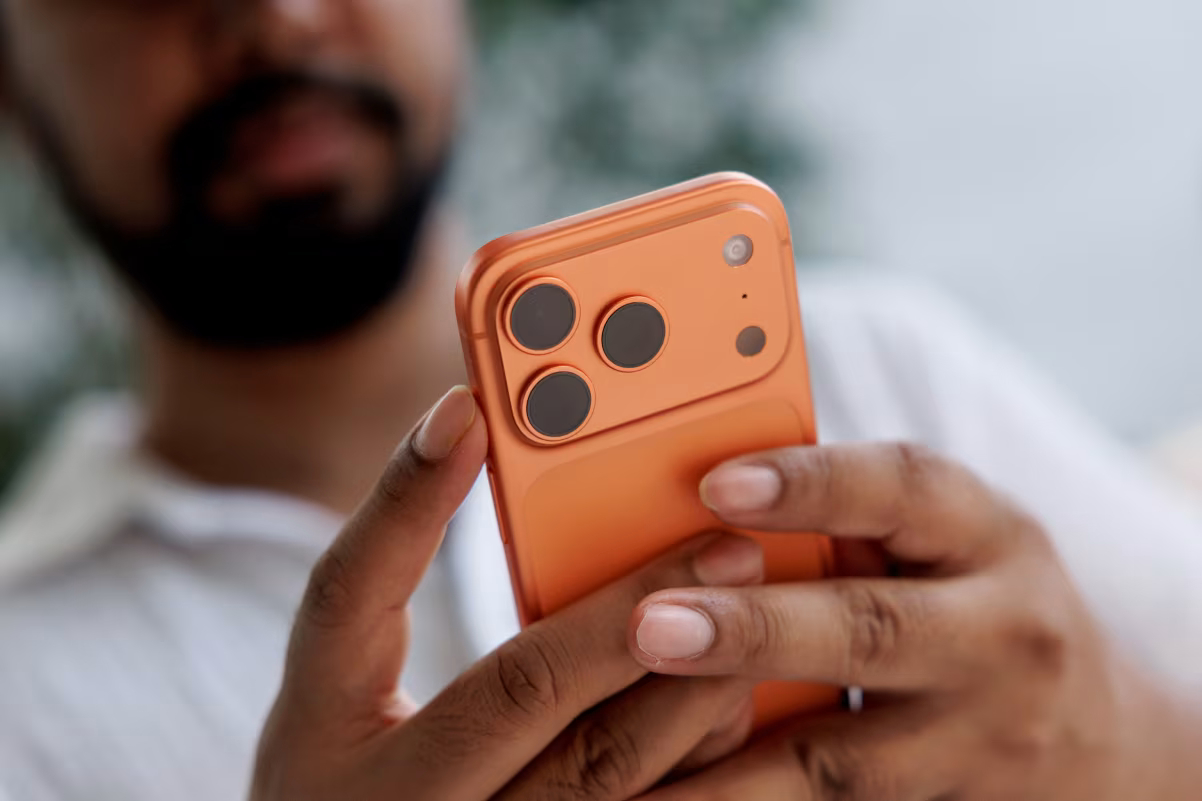
The NTRA says all four mobile operators were referred to the Public Prosecution after SIM cards were found registered under citizens' names without their knowledge. It also outlined a complaint path and said liability is not automatic for affected users.
Egypt's phone watchdog found that some SIM cards may have been put under people's names without their knowing. It is like finding a backpack with your name on it that you never owned, then asking the store to fix it and check the records.
Analysis
NTRA
The regulator's move suggests this is being treated as a system failure, not an isolated customer-service complaint. By saying it referred all four operators to the Public Prosecution, the NTRA is signaling that unauthorized SIM registration can trigger both legal and administrative consequences.
That split matters because it separates criminal allegations from regulatory enforcement. The agency is also trying to frame the issue as one of data privacy and confidentiality, which raises the stakes beyond routine telecom compliance.
Arqami
The complaint process described by the NTRA is unusually practical: citizens can check what numbers are tied to their national ID and report problems through a hotline, app, website, or social channels. That matters because identity-linked mobile records are only useful if people can actually inspect and correct them.
The non-possession form is the key safeguard in the story. It lets a person suspend a line they do not have, which reduces the risk of being dragged into misuse tied to a number registered in their name.
Public Prosecution
Sending the case to prosecutors raises the possibility of a broader inquiry into how SIM cards were registered in the first place. The spokesperson's remarks also make clear that having a line in someone's name does not automatically make that person legally responsible for its use.
That distinction is important for both consumers and operators. If investigators do find evidence of wrongdoing, the case could pressure companies to clean up sales practices, but if proof is weak, the immediate impact may be limited to fines and public warnings rather than lasting reform.
Key points
- The NTRA said it referred all four mobile operators in Egypt to the Public Prosecution.
- The case concerns SIM cards registered under users' names without their knowledge.
- Citizens can check numbers tied to their national ID and file complaints through official channels.
- A non-possession form can be used to suspend a line that is not in a person's possession.
- The NTRA said legal responsibility depends on investigations and evidence, not registration alone.
If the referral leads to real enforcement, operators may tighten checks when selling SIM cards and reduce unauthorized registrations. Citizens would also have clearer tools to find and stop lines linked to their IDs.
Investigations could take time, leaving some customers with unwanted lines in the meantime. If the underlying recordkeeping problems are not fixed, the same misuse could continue even after penalties.