Four reasons why keeping the Iran-U.S. ceasefire has been difficult
A ceasefire between Iran and the U.S. is under strain after fresh attacks across the region and new threats from both sides.
Intelligence analysis by GPT-5.4 Mini
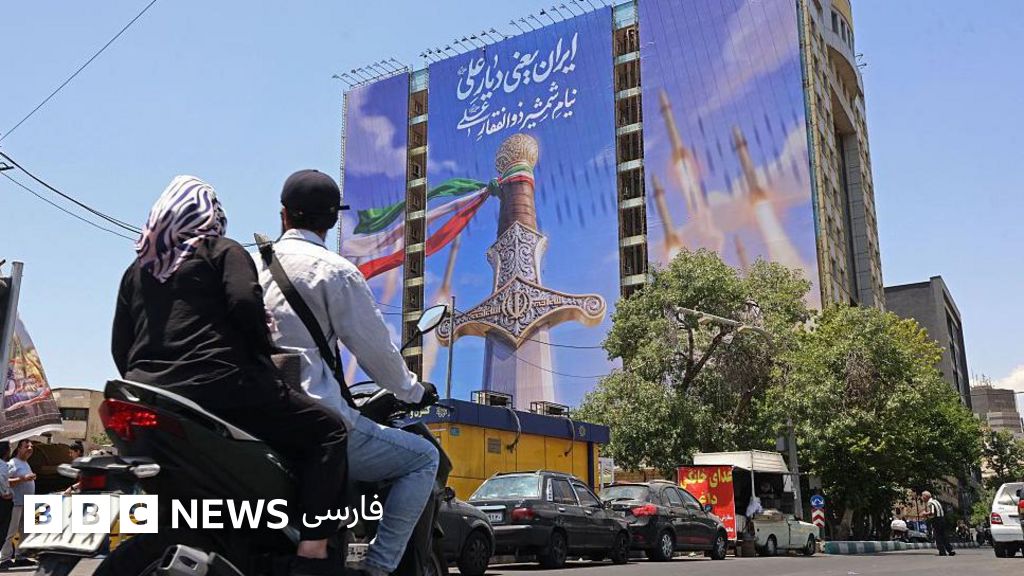
BBC Persian says the ceasefire agreed in early April is fraying because it has not resolved the deeper conflict. The excerpt points to U.S. pressure, Israeli military action, and calibrated escalation as reasons the pause remains fragile.
The ceasefire is like two neighbors agreeing to stop throwing balls, but one keeps shining a flashlight in the other’s yard and a third neighbor keeps poking the fence. That makes the pause shaky, because nobody feels safe or fully trusted.
Analysis
Why the ceasefire is so fragile
The article says the ceasefire that the U.S. and Iran agreed to in early April has come under heavier pressure after renewed violence across the region. Donald Trump and senior Iranian officials have traded fresh threats, even though neither side has formally abandoned the truce.
One key reason is that, from Tehran’s perspective, the ceasefire does not address the core problem. Analyst Sina Toossi argues that Iran still sees continuing U.S. military and economic pressure, including sanctions and the naval blockade of Iranian ports, while Israeli operations in Lebanon continue. That makes the postwar environment look less like a real peace and more like an arrangement in which Washington keeps major leverage without returning to full-scale war.
The second factor is Israel. The article says analysts view Israeli strikes in Lebanon and other actions as a major obstacle to keeping the ceasefire alive. One analyst quoted by the BBC describes Israel as having a strong interest in preventing any U.S.-Iran deal that leaves Iran standing as a regional power. In that reading, Israel can function as a spoiler if it believes its security concerns are not fully met.
A third factor is that escalation itself may be part of the bargaining. The excerpt says Iran’s security establishment has remained intact and expected domestic unrest has not materialized, which may encourage Tehran to believe it can endure pressure. At the same time, officials are under domestic pressure not to appear as though they accepted an unfavorable truce.
The article also warns that any further escalation could disrupt wider talks aimed at ending the war altogether.
Key points
- The ceasefire agreed in early April is under pressure after fresh attacks and new threats from both sides.
- Analysts say Iran sees the truce as failing to solve the main issue: ongoing U.S. pressure and Israeli military action.
- Israel is portrayed as a potential spoiler that could disrupt any U.S.-Iran deal it sees as too favorable to Tehran.
- The article suggests escalation may be used as leverage, which keeps the ceasefire unstable even without a formal breakup.
If both sides keep the ceasefire in place, it could give talks more time and reduce the risk of a wider war. The article says no side has officially ended the truce, so there is still room for diplomacy to continue.
If attacks continue and Israel keeps striking in the region, the ceasefire could unravel. The article warns that more escalation could derail efforts by Washington and Tehran to negotiate a broader agreement.